
Blog
Home || Blog
The main parts of a home HVAC system are the thermostat, furnace, blower motor, heat exchanger, evaporator coil, outdoor condensing unit, refrigerant lines, ductwork, and return and supply registers. These components work together to control temperature, heat or cool the air, move air through the home, and keep indoor spaces comfortable year-round.
Your HVAC system is one of the most important systems in your home. HVAC stands for heating, ventilation, and air conditioning, and it refers to the equipment that helps keep your home warm in the winter, cool in the summer, and comfortable year-round.
In this guide, you’ll learn the main parts of a traditional home HVAC system, what each component does, and why routine maintenance is important for comfort, efficiency, and safety.
(While some homes use boilers, radiant floor heating, heat pumps, ductless mini splits, or window air conditioners, this guide focuses on a common forced-air HVAC system with a furnace and a split-system air conditioner.)
What Are the Main Parts of a Home HVAC System?
A traditional home HVAC system includes several connected components that work together to heat, cool, and circulate air.
The main HVAC parts include:
- Thermostat
- Furnace
- Blower motor
- Heat exchanger
- Evaporator coil
- Outdoor condensing unit
- Refrigerant lines
- Ductwork
- Return and supply registers
Each part has a specific job. If one component is dirty, damaged, blocked, or not working correctly, the entire system can lose efficiency or struggle to keep your home comfortable.
What Does the Thermostat Do in an HVAC System?
The thermostat is the control center of your HVAC system. It monitors the temperature inside your home and tells the heating or cooling system when to turn on and off.
When the indoor temperature rises above or falls below your chosen setting, the thermostat sends a signal to the HVAC system. The system then heats or cools until your home reaches the selected temperature.
Many homes now use programmable or smart thermostats. These models can adjust temperatures based on your schedule, helping improve comfort and reduce energy waste. Some homes also use multiple thermostats for zoning, allowing different areas of the house to be controlled separately.
How Do the Furnace and Blower Motor Work?
The furnace is the part of the HVAC system that produces heat. It is usually located in a basement, attic, utility closet, or dedicated mechanical space.
Depending on the system, a furnace may use natural gas, oil, or electricity to heat the air. Once the air is heated, the blower motor pushes it through the ductwork and into the rooms of your home.
The blower motor also plays an important role during cooling. In many forced-air systems, the same blower moves cooled air from the air conditioner through the ductwork. This makes the blower motor one of the most important air distribution components in the entire HVAC system.
Why Is the Heat Exchanger Important?
The heat exchanger is a key part of the furnace. Its job is to transfer heat into the air that circulates through your home.
When the thermostat calls for heat, the furnace begins heating. In a gas or oil furnace, burners create heat inside the heat exchanger. In an electric furnace, electric coils provide the heat. Air passes over the outside of the heat exchanger, warms up, and then moves through the ductwork.
The heat exchanger is also important for safety. In fuel-burning furnaces, combustion gases stay inside the heat exchanger and are vented outside the home. If the heat exchanger cracks, dangerous fumes, including carbon monoxide, may enter the living space.
This is one reason regular furnace maintenance is so important. A professional inspection can help identify heat exchanger problems before they create a serious safety risk.
What Does the Evaporator Coil Do?
The evaporator coil is the indoor part of a split-system air conditioner. It is usually located near the furnace or air handler.
During cooling, refrigerant flows through the evaporator coil. As warm indoor air passes over the coil, the refrigerant absorbs heat from the air. Once heat is removed, cooler air is circulated back through the home.
The evaporator coil also helps remove some moisture from the indoor air. If the coil becomes dirty or frozen, the air conditioner may have trouble cooling the home properly.
What Does the Outdoor Condensing Unit Do?
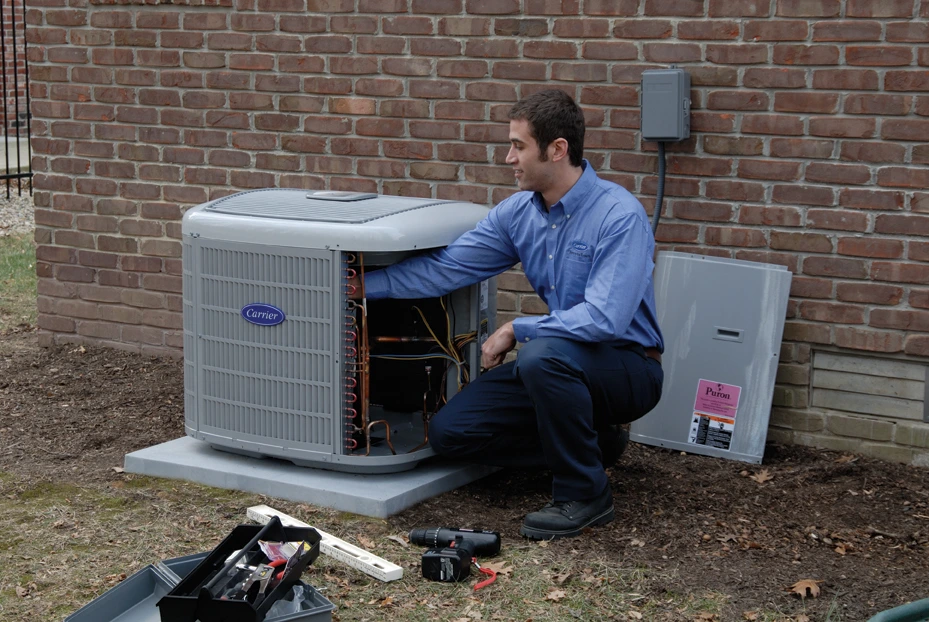
The outdoor condensing unit is the large metal unit outside your home. It is one of the most recognizable parts of a central air conditioning system.
After the refrigerant absorbs heat inside the home, it travels to the outdoor condensing unit. The condenser releases that heat outdoors, allowing the refrigerant to cool and continue the cycle.
The outdoor unit contains key components, including the condenser coil, compressor, and fan. If the outdoor unit is blocked by leaves, dirt, grass, or debris, the system may have trouble releasing heat. This can reduce cooling performance and place extra strain on the equipment.
What Are Refrigerant Lines?
Refrigerant lines connect the indoor evaporator coil to the outdoor condensing unit. These lines carry refrigerant between the indoor and outdoor parts of the air conditioning system.
Refrigerant is the substance that makes cooling possible. It absorbs heat from inside the home and carries that heat outside.
Refrigerant lines are usually made of copper or aluminum. If these lines leak, the air conditioner may lose cooling power, run longer than normal, or stop cooling altogether. Refrigerant problems should always be handled by a trained HVAC technician.
What Does Ductwork Do in an HVAC System?
Ductwork is the network of pathways that carries heated or cooled air throughout your home. In a forced-air HVAC system, ducts move air from the furnace or air conditioner into each room.
Properly designed ductwork helps provide consistent comfort. Poorly sealed, poorly insulated, or damaged ducts can waste energy and reduce airflow.
Ducts are often installed during home construction, but retrofits are sometimes possible. When ducts run through attics, garages, crawl spaces, or other unconditioned areas, they should be sealed and insulated to help protect efficiency.
What Are Return and Supply Registers?
Return and supply registers are the vent covers that allow air to move in and out of the duct system.
Supply registers deliver heated or cooled air into the rooms of your home. Return registers pull air back into the HVAC system so it can be heated or cooled again.
Registers are often located in floors, walls, or ceilings. Many supply registers have louvers that can be adjusted to control airflow. However, closing too many registers can unbalance the system and create airflow problems.
For best performance, keep registers open and clear of furniture, rugs, curtains, and other obstructions.
Why HVAC Maintenance Matters
Every part of your HVAC system affects comfort, efficiency, and reliability. When one component is dirty, worn, blocked, or failing, the rest of the system may have to work harder.
Routine HVAC maintenance can help:
- Improve heating and cooling performance
- Support better airflow
- Reduce unexpected breakdowns
- Help lower energy waste
- Extend equipment lifespan
- Identify safety concerns
- Protect indoor comfort during extreme weather
Professional maintenance is especially important before heavy-use seasons. Heating maintenance prepares your furnace for colder weather, while AC maintenance prepares your cooling system for hot Texas summers.
When Should You Call an HVAC Professional?
You should call an HVAC professional if your system is not heating or cooling properly, if airflow feels weak, or if you notice unusual odors, sounds, or changes to your energy bill.
Common warning signs include:
- Uneven temperatures from room to room
- Weak airflow from vents
- Warm air coming from the AC
- Cold air coming from the heating system
- Frequent system cycling
- Unusual banging, rattling, or buzzing sounds
- Burning, musty, or gas-like odors
- Rising energy bills
- Thermostat problems
- System leaks
- Furnace or AC breakdowns
Small issues can turn into larger repairs if they are ignored. A professional HVAC inspection can help find the source of the problem and recommend the right solution.
Schedule HVAC Service With McWilliams
A home HVAC system is made up of several important parts, including the thermostat, furnace, blower motor, heat exchanger, evaporator coil, outdoor condensing unit, refrigerant lines, ductwork, and registers. Each component has a specific role in heating, cooling, and moving air throughout your home.
Understanding these parts can help you recognize common HVAC issues, schedule maintenance at the right time, and make better decisions when repairs or replacements are needed.
Your HVAC system works hard to keep your home comfortable. When something goes wrong, you need a trusted local team that knows how to identify and fix the issue properly. McWilliams Heating, Cooling & Plumbing provides professional HVAC repair, maintenance, and installation services for homeowners in Lufkin, Nacogdoches, Livingston, Huntsville, Richmond, and surrounding areas.
Contact McWilliams today to keep your HVAC system running safely, efficiently, and reliably.
Share This :

ferociousmedia
Table of Contents
Latest
Discover New Blog Posts
Stay updated with our latest blog posts.
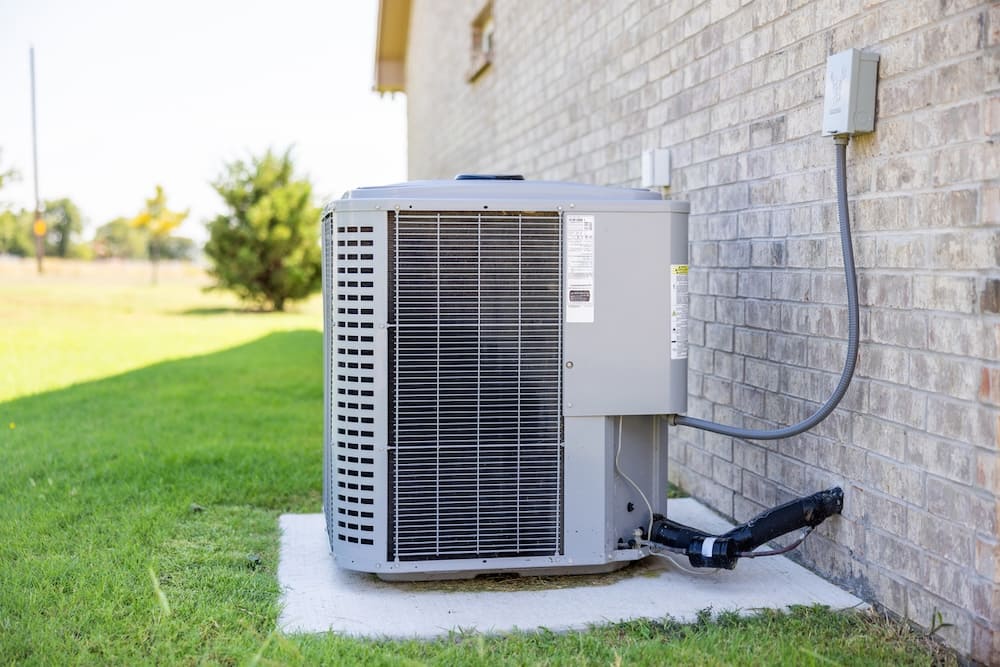
An AC blowing warm or weak air is one of the most common (and most urgent) HVAC complaints in Texas homes, and it almost always […]
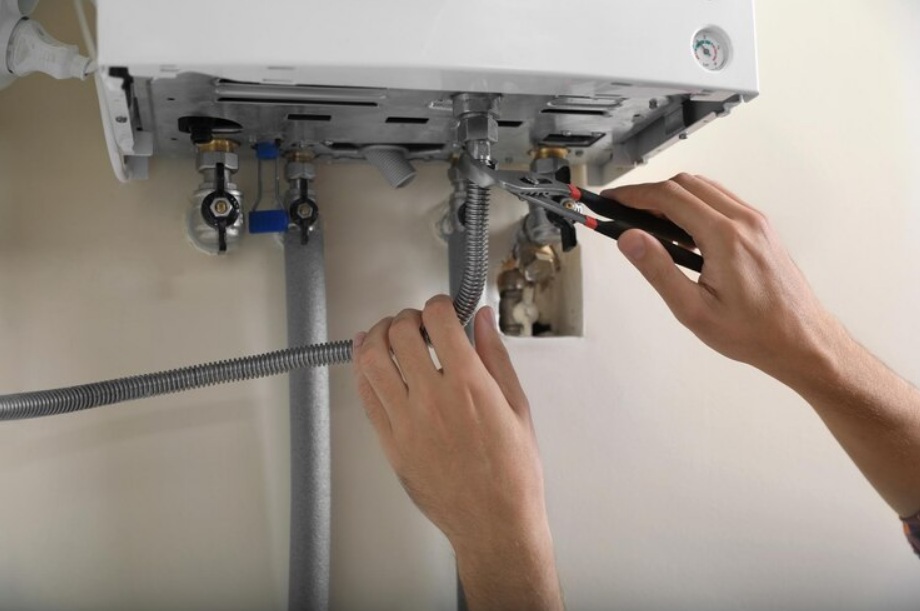
A water heater should operate without drawing much attention, so popping, crackling, or rumbling sounds coming from the tank can be concerning. Your system may […]
When the water in your bathroom sink starts draining slower than usual, it does not take long before it turns into a daily frustration. Standing […]