

Blog
Home || Blog
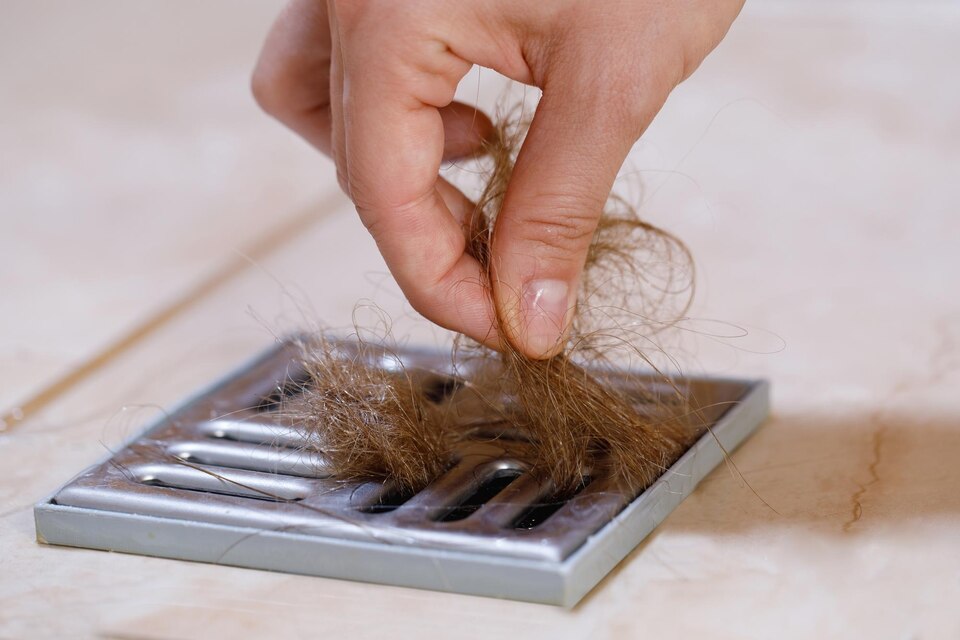
A slow-draining shower can be frustrating, especially when water starts pooling around your feet every morning. In many Livingston homes, the most common reason behind this issue is a hair clog. Over time, strands of hair combine with soap residue and stick to the walls of your drainpipes, creating a stubborn blockage that will not flush out with just a quick rinse of hot water.
What starts as a minor drain slowdown can turn into a complete clog if left unchecked. Ignoring early warning signs often leads to persistent backups, foul odors, or even water damage if the blockage causes a leak. That is why being proactive about managing hair clogs in the shower is key to keeping your bathroom in good working order.
Why Hair Clogs Are a Common Issue in Livingston Showers
Shower drains handle more than just water. Shampoos, conditioners, soap, and loose hair all wash down the drain on a daily basis. In homes located in Livingston where families frequently share bathrooms, the buildup can happen quickly. Long hair, in particular, tangles easily and creates web-like clumps that catch other debris along the way. This makes the clog stronger and harder to remove as time passes.
There are a few noticeable signs that your shower drain is becoming clogged with hair:
– Water is slow to drain and pools around your feet during showers.
– A musty or foul odor comes from the shower drain.
– You hear gurgling sounds after the water is turned off.
– You notice small bits of hair rising back up the drain.
These issues might seem minor at first, but they often point to a deeper clog farther down the pipe. If left alone, hair clogs can lead to standing water issues, increasing the risk of mold around your shower and floor surfaces. It also puts added pressure on your plumbing system, which could lead to cracks or leaks in older pipes.
A Livingston homeowner with a teenage daughter, for example, might notice the shower draining slower over a few weeks. Once hair has built up in the trap, even flushing the pipe with hot water might not solve the problem. A hands-on solution becomes necessary to get the drain flowing again.
Understanding why these clogs happen can help you deal with the issue before it worsens. Routine attention and a few helpful tools can go a long way in keeping your shower running smoothly without unnecessary disruptions.
Safe and Effective DIY Methods to Clear Hair Clogs
Small clogs can sometimes be cleared without major plumbing work, but it takes the right approach. If you’re dealing with a minor backup caused by hair in your Livingston home, here are two common methods that might help before the issue reaches a point that needs professional clearing.
1. Use a Manual Plumbing Snake
– Start by removing the drain cover to access the pipe. Some lift right off, while others may need to be unscrewed.
– Insert a manual plumbing snake or a drain cleaning tool made to catch hair.
– Push it slowly into the drain, then twist and pull out the collected clog.
– You may need to repeat this step multiple times to fully clear the hair.
2. Try a Baking Soda and Vinegar Wash
– Pour about half a cup of baking soda directly into the drain.
– Follow it with half a cup of white vinegar.
– Let it sit and bubble for 15 to 30 minutes to break down the organic material.
– Rinse with a pot of hot (not boiling) water.
Though these methods can help with light clogs, they are not always effective. If hair has traveled deeper into the pipework or the buildup is too thick, it is likely you will need more help. Keep these basic approaches in mind, but also know when it is time to stop and avoid causing more stress to your drain system. For persistent problems that do not clear after these steps, calling our professionals is the next best move.
When to Call Our Professionals for Persistent Clogs
Sometimes hair clogs go beyond what basic cleaning methods can fix. If the clog keeps coming back, or water flow does not improve after multiple attempts with a snake or baking soda and vinegar, there is likely a more serious problem deeper in the drain line. In Livingston homes, older plumbing systems or unmatched pipe fittings can make hair clogs worse by trapping debris in hard-to-reach spots.
Here are warning signs you should not ignore:
– You have tried removing the hair clog multiple times but it keeps returning.
– Water backs up in other drains when using your shower.
– You smell sewage or rotten odors coming up through the drain.
– The shower makes strange gurgling noises even when not in use.
– You see water damage or staining near the drain area.
These are signs that the clog may be further down in the main drain or may be mixed with other buildup like soap scum, minerals, or grease. Hair clogs can start small but, over time, form a blockage thick enough to restrict all water movement. In some cases, especially when multiple drains are affected, there may also be a partial obstruction or collapse in your home’s plumbing lines.
Calling our professionals is the fastest way to avoid guesswork. Our technicians bring more than just basic tools to the job. They use equipment specifically designed to break up and remove blockages effectively, including motorized augers, professional-grade drain snakes, and inspection cameras. These tools help confirm where the clog is and clear it without causing damage to your pipes.
Our team can also check if the recurring hair clogs are a symptom of a larger issue, such as corroded pipe interiors or poor slope in the drain line. Solving the larger issue helps lower your chances of running into another clog just a few weeks later. Trusting the work to trained professionals also gives you peace of mind that the job is done right, especially when home remedies fall short.
Preventive Measures to Keep Shower Drains Hair-Free
Stopping hair clogs before they start is the most effective way to keep your Livingston shower working like it should. Putting a few simple habits into place can save you time, money, and frustration. Start with physical barriers that catch hair at the drain opening before it has a chance to go down the pipe.
Here are a few solid steps to reduce future hair clogs:
– Use a shower drain hair catcher or strainer. These inexpensive tools trap hair before it enters the drain, and they are easy to empty after each use.
– Clean the visible parts of the drain weekly. Wipe the strainer or visible drain area during your regular bathroom cleaning routine.
– Run hot water for a minute after each shower. This helps wash away residue that can trap hair.
– Brush your hair before showering to reduce how much falls out during bathing.
– Talk to household members about what should and should not go down the drain.
Routine care is the key to avoiding unpleasant surprises in the future. If your water is especially hard or if your drains are older, adding maintenance checks each month can make a big difference. Use these tasks to spot slow drainage early and keep things flowing free.
Homeowners in shared living spaces or with multiple bathrooms should check drains more frequently. Hair can collect fast when more people use the same shower. Installing filters on other bathroom sinks can help too, since hair is often rinsed off in those basins during grooming.
Maintaining a Clear Drain for a Fully Functional Shower
When your shower drain flows properly, everything about your daily routine runs smoother. There is no water buildup, no waiting for backups to clear, and no stress trying to snake a drain on your own. Regular upkeep ensures your bathroom stays useable and avoids costly repair needs later on.
Clear drains also help protect your plumbing in the long run. By preventing layers of hair and residue from piling up inside the pipes, you reduce the wear and tear on your system. The longer you ignore a drain problem, the more likely it is that the clog spreads or causes leaks beneath tiles or behind walls. Staying ahead of those issues is easier and more affordable.
Routine inspections can catch issues before they grow, giving you time to fix them while they are manageable. Preventive action, whether it is removing visible hair each week or having your plumbing looked at once a year, keeps your home running like it should. If you have dealt with regular shower drain clogs in your Livingston home, now is the time to take control and stay ahead of future blockages.
If recurring drain issues are disrupting your daily routine and you want reliable, effective support, consider the benefits of professional AC repair in Livingston to keep your home systems running efficiently. For a quick estimate or to book a service visit, please contact us today and let McWilliams help maintain your home’s comfort and functionality.
Share This :

ferociousmedia
Table of Contents
Latest
Discover New Blog Posts
Stay updated with our latest blog posts.
An AC blowing warm or weak air is one of the most common (and most urgent) HVAC complaints in Texas homes, and it almost always […]
A water heater should operate without drawing much attention, so popping, crackling, or rumbling sounds coming from the tank can be concerning. Your system may […]
When the water in your bathroom sink starts draining slower than usual, it does not take long before it turns into a daily frustration. Standing […]