

Blog
Home || Blog
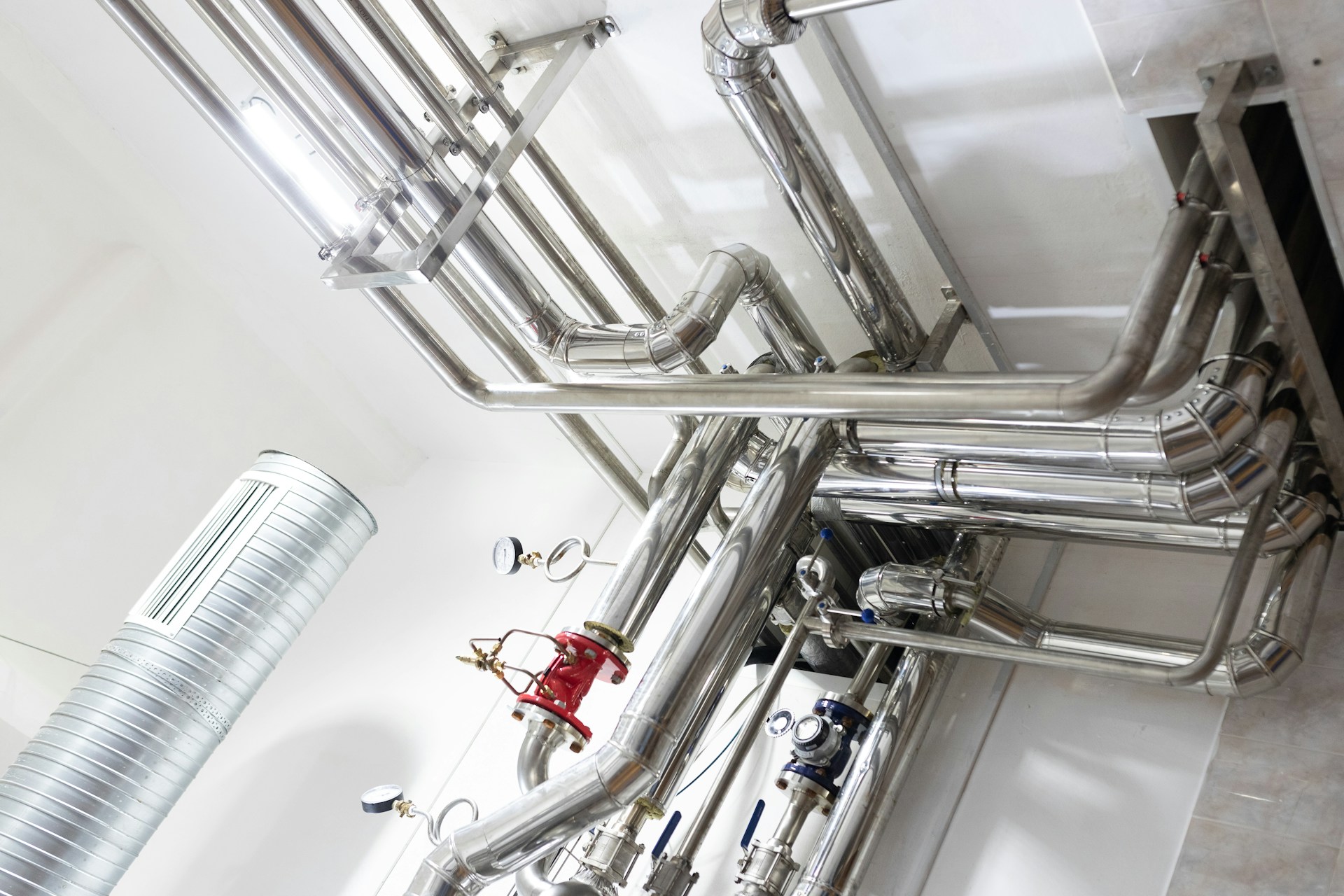
Noisy water pipes aren’t just annoying—they can be signs of underlying issues in your home’s plumbing system. In Nacogdoches, older homes or homes with aging infrastructure can be more prone to these kinds of noises. You might notice banging, hammering, rattling, or even screeching sounds when turning faucets on or off. These noises may seem harmless at first, but they might indicate loose fittings, high water pressure, or other mechanical problems that need attention.
Understanding why your pipes are noisy will help you take practical steps to address the problem before it gets worse. This article walks through the most common causes of noisy pipes, how to identify where the sounds are coming from, and what should be done to try to reduce or eliminate those sounds. While some issues have simple solutions, others may need professional attention to ensure the system is operating safely and efficiently.
Common Causes Of Noisy Water Pipes
When you hear thuds, rattles, or vibrations coming from your water lines, your plumbing system is likely experiencing one or more of the following issues:
1. Water hammer – This is one of the most frequent causes of loud banging noises in water lines. It usually happens when a faucet or valve is closed quickly, creating a sudden halt in water flow. That abrupt stop causes shockwaves to travel through the pipes, producing a loud knock or bang.
2. Loose pipe fittings – If pipes aren’t securely fastened inside the walls or under the floors, the moving water can cause them to knock against surrounding surfaces. Over time, this movement can loosen connections and amplify noises.
3. Excessive water pressure – High water pressure can make pipes vibrate or squeal, especially when valves are partially closed. It also wears down plumbing components more quickly, which may lead to leaks.
4. Sediment buildup – Over time, minerals from hard water can settle inside the pipes or water heater. As water flows over sediment, it can cause popping or crackling noises that may echo through the plumbing.
5. Expanding or contracting pipes – During hot weather in Nacogdoches, pipe materials may expand and contract when exposed to shifting temperatures, especially in attics or crawl spaces. This can result in ticking or tapping sounds as pipes shift slightly in place.
Recognizing these signs early on can make a big difference in preventing bigger plumbing issues. For example, if your water pressure seems unusually high when using a shower or faucet, the noise coming from your pipes might be due to that pressure rather than a structural defect.
Identifying The Source Of The Noise
Pinpointing where the noise is coming from is the first step in solving the problem. Not all pipe noises mean the same thing, so listening closely and inspecting specific areas can help narrow down the cause.
Here’s how to get started:
– Turn water fixtures on and off one at a time to isolate which one triggers the noise
– Pay attention to whether the sound happens immediately or with a delay after the water is turned off
– Walk around the house and listen near the walls, under floors, or ceilings to identify where the noise seems loudest
– If the noise only happens with hot water, the issue may come from expanding pipes or sediment buildup in the water heater
– If the noise is louder near the main valve or meter, it could point to a pressure problem near the entrance of your home’s plumbing system
Let’s say every time you run the washing machine, you hear a loud bang from the wall behind it. That’s often tied to water hammer from the fill valve shutting abruptly. Similarly, a rattle in the ceiling after flushing a toilet might mean a loose fitting in the floor above.
By narrowing down the location and timing of the sound, you can better prepare to either correct the issue or explain it clearly when you reach out to plumbing professionals.
DIY Fixes for Common Noise Issues
Once you’ve tracked down where the noise is coming from, the next step is figuring out which fix may work best. While spotting the problem can sometimes seem simple, resolving it properly takes the right tools and know-how. Pipe noise problems can stem from several small but important mechanical issues that shouldn’t be delayed. Here’s a breakdown of what typically helps control the most common noise sources:
– Install water hammer arrestors: If you hear a loud bang or clunk when shutting off faucets, especially those serving appliances like dishwashers or washing machines, installing water hammer arrestors near those fixtures can absorb shock from sudden valve closures
– Secure loose pipes: Rattling sounds in walls or ceilings often mean pipes aren’t anchored well. By tightening existing pipe straps or adding new ones to brace the lines more firmly, those noises can be reduced significantly
– Adjust water pressure: High pressure doesn’t just strain your plumbing system. It can also cause loud vibrations or hissing. A pressure regulator can help bring the pressure to a safer level that prevents noise and wear
– Flush your water heater: Sediment build-up inside your water heater can cause popping or rumbling noises as water heats and moves over the minerals. Flushing the tank helps remove buildup before it causes problems or shortens your water heater’s lifespan
Some of these adjustments are more technical than they may seem, especially if access to the affected area is limited, or if you’re unsure how to work with pressurized plumbing systems. If your efforts don’t lead to long-term results, it’s typically time to consider getting help from our professionals.
When to Call Our Professionals
If pipe noises continue after trying the basic steps above—or if you’re unsure what’s safe to attempt—reaching out to our technicians is the next step. There are clear signs that the issue goes beyond quick adjustments and may require repair, replacement, or inspection tools that only our professionals use.
Watch for these indicators:
– Repeated water hammer sounds even after installing arrestors
– Vibrations or banging in hard-to-reach locations like walls or ceilings
– Water leaks near noisy areas
– Signs of corrosion near pipe joints or fittings
– Unusual pipe movement when you turn water fixtures on or off
While this article focuses on plumbing noise, it’s also a great time to think about routine AC maintenance in Nacogdoches. In summer, consistent AC use may put pressure on your home’s systems altogether, especially if there’s crossover between your plumbing and HVAC components. A maintenance visit ensures nothing is overworking due to hidden issues.
Moreover, ignoring persistent plumbing sounds may increase the risk of water damage. Vibrations and loosened fittings can eventually cause cracked pipes or joint failures. Having our technicians perform an inspection lets you find and fix problems early without expensive clean-up later.
Ensuring Long-Term Pipe Health
Quieting noisy pipes isn’t just about comfort. It’s about preventing long-term wear and keeping your plumbing system strong year-round. Regular care reduces the risk of both noise and damage. When a system is ignored, small mechanical issues can lead to higher repair costs later. That’s why building a maintenance habit is valuable for homeowners in Nacogdoches.
To help keep your pipes in top shape:
– Schedule annual inspections to catch early issues
– Ask our professionals about water pressure checks
– Flush your water heater as recommended
– Keep records of plumbing repairs and upgrades
It’s easy to overlook subtle warning signs when things still seem to work fine. But consistent maintenance gives you peace of mind and avoids disruptions down the line. Whether it’s a loose strap or a pressure imbalance, these small problems tend to grow if left unmanaged.
Protecting Your Nacogdoches Home’s Plumbing System
Noisy pipes can be the start of bigger plumbing issues, but they’re often loud enough to signal attention is needed before real damage occurs. Whether it’s water hammer, poor fastening, or sediment buildup, these concerns show up clearly through sound. Knowing how to trace the noise and what it might mean can help you decide the next steps quickly.
Maintaining quiet, stable pipes takes a balance of observation, early action, and the right help when needed. Long-term plumbing health relies on looking beyond the surface. By staying on top of regular maintenance and bringing in our professionals when issues persist, you protect your home’s plumbing system and avoid costly repairs over time.
If noisy pipes persist and you notice additional issues that simple fixes cannot resolve, routine professional service can help protect your home’s plumbing system and maintain long-term efficiency. At McWilliams, our professionals stress the value of scheduled care to keep every component working at its best. Keeping your system in top condition starts with regular AC maintenance in Nacogdoches, ensuring your equipment is properly inspected and adjusted. For a quick estimate or to book a service visit, please contact us today.
Share This :

ferociousmedia
Table of Contents
Latest
Discover New Blog Posts
Stay updated with our latest blog posts.
An AC blowing warm or weak air is one of the most common (and most urgent) HVAC complaints in Texas homes, and it almost always […]
A water heater should operate without drawing much attention, so popping, crackling, or rumbling sounds coming from the tank can be concerning. Your system may […]
When the water in your bathroom sink starts draining slower than usual, it does not take long before it turns into a daily frustration. Standing […]