

Blog
Home || Blog
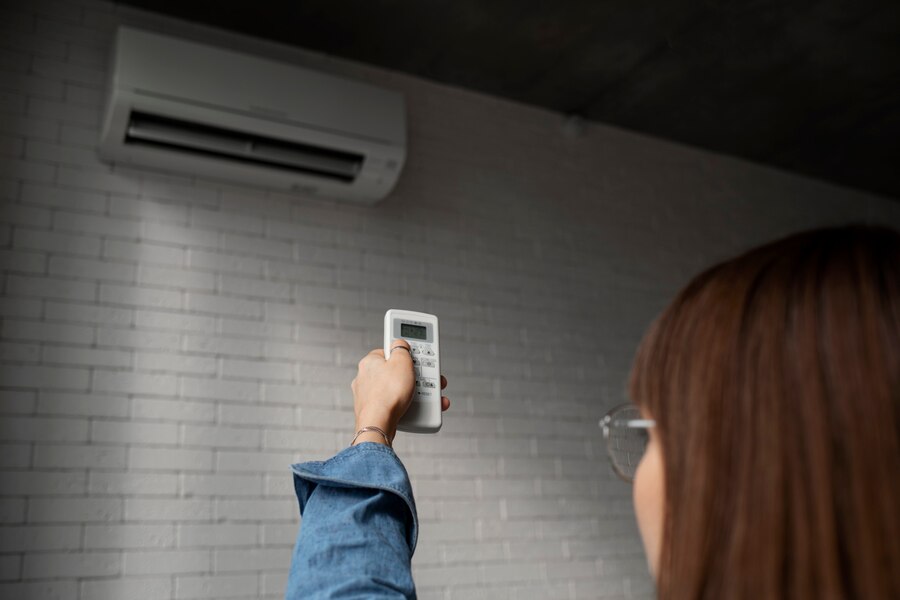
When your AC remote stops working properly in the middle of summer, it can be more than just annoying. In a place like Livingston, where air conditioning is essential to daily comfort, a non-responsive or malfunctioning remote can disrupt your routine quickly. Whether you’re adjusting your thermostat from the couch or shutting off the unit before heading out, the remote plays a key role in making your system easy to use.
A working AC remote ensures you can manage indoor temperatures without walking over to your unit or using wall controls directly. That kind of convenience matters, especially when heat and humidity levels make it uncomfortable to leave the AC off for long. If you’ve noticed delayed signals, faulty buttons, or if the system just won’t respond at all, your remote might be the issue. Below are the most common problems people in Livingston encounter with their AC remotes and how to handle each one.
Common Issues With AC Remote Controls
Several things can make an AC remote stop working, and the root of the issue isn’t always clear at first. Some problems are easy to fix with minor adjustments, while others could point to component failure in either the remote or the AC unit.
Here are the most common causes of a faulty AC remote:
– Dead or Weak Batteries
This is one of the most frequent issues. Batteries gradually lose power, and in humidity-prone areas like Livingston, corrosion can speed that process. If the remote’s display is dim or completely off, replacing the batteries is a good starting point.
– Battery Misplacement
Even if you’re using new batteries, having one installed incorrectly can prevent the remote from turning on. Make sure both batteries are aligned properly by checking the positive and negative symbols.
– Signal Interference
If there are objects in the way or the remote works only from a certain angle, something could be interfering with the signal. Walls, furniture, or even tightly hung curtains between the remote and the AC receiver can block transmission.
– Remote Wear and Tear
Over time remotes can become less responsive, especially if they’ve been dropped or exposed to liquid. Sticking or soft buttons and cracks in the casing are signs that the internal components may no longer be operating correctly.
– Sensor Connection Problems
Sometimes the issue is with the AC unit itself. If the receiver sensor on the air conditioning system is dirty or damaged, it might not be picking up the remote’s signals properly.
One Livingston homeowner had trouble turning off their AC using the remote. After trying new batteries and clearing any obstructions, they discovered that a dust-covered sensor on the indoor unit was the cause. Wiping it clean with a dry cloth restored full function.
Pinpointing the cause of your AC remote issue is the first step. Here are some simple troubleshooting techniques you can try at home before reaching out for professional service.
Troubleshooting Steps for Homeowners
Before assuming there’s a major issue, homeowners in Livingston can carry out a few basic checks. These steps may quickly identify and resolve the problem without extra time or cost.
1. Check and Replace Batteries
Remove the battery cover and install a new set of batteries. Even if the screen is still visible, weak batteries may not have enough power to transmit a signal.
2. Clear Any Obstructions
Ensure there is a direct line of sight between the remote and the AC unit. Remove any objects that could be blocking the signal, and test the remote from different locations.
3. Reset the Remote Control
Some models include a reset button located inside the battery compartment or on the back. Use a tool like a paperclip to press this button and reset the remote.
4. Clean the Remote and Sensor
Dust and grime can build up over the remote’s infrared lens or the AC unit’s sensor. Gently wipe both areas with a clean, dry cloth to restore signal clarity.
If the AC still doesn’t respond after these attempts, more advanced steps might be required to solve the remote issue.
Advanced AC Remote Troubleshooting Tips
When the basic steps do not resolve the issue, there are still a few safe techniques that can help determine the root cause before seeking professional help.
– Test the Infrared Signal
Use your smartphone’s camera to check if the remote is sending out a signal. With the camera on, point the remote toward the lens and press a button. If the remote is functioning, you’ll see a flicker of light on your phone screen. If there’s no light, the remote may no longer be working.
– Reprogram the Remote
Some remotes need to be reconfigured after battery replacement or signal interference. Consult your AC user manual for instructions on how to reprogram or pair the remote with the unit again.
– Inspect the Receiver
If everything on the remote appears to be working but the AC unit still doesn’t respond, the problem may lie in the receiver sensor in the unit itself. These components can be damaged by power fluctuations or may simply wear out over time.
If you’ve followed all of these steps and the AC remains unresponsive or works only intermittently, the issue might extend beyond the remote.
When to Involve Our Professionals
If none of the troubleshooting efforts fix your AC remote problem, it is time to reach out to our professionals. AC units have complex internal electronics, and certain issues may require diagnostic tools and expertise to resolve.
Signals may be getting lost due to underlying problems in the receiver module or interference from damaged internal components. These are not issues homeowners can usually confirm on their own. Guessing can lead to unnecessary part replacements or service delays.
Our technicians can provide a clear answer on what’s malfunctioning, whether it’s the remote, the receiver, or another connected component in your system. Fixing it correctly the first time helps prevent recurring problems and avoids creating new issues.
Bringing in our experts ensures the system is treated with care while getting a solution that lasts through the season.
Tips for Keeping Your AC Remote Working
Just like other parts of your HVAC system, keeping the AC remote in good condition is important. A few regular habits can extend the lifespan of your remote and limit the chances of it failing when you need it.
Here are maintenance tips to follow:
– Store the remote in a clean, dry spot
– Change the batteries before every cooling season begins
– Handle the remote with care to avoid internal damage
– Clean both the remote’s lens and the AC sensor once every few months
– Keep items from blocking the sensor on the indoor AC unit
Scheduling seasonal HVAC maintenance is also key. When our professionals inspect your system, they check every element for early signs of malfunction, including any component that relates to how the system receives commands from the remote.
In many cases, small symptoms like delayed responses indicate a larger problem developing inside the unit, not the remote itself. Regular inspections help catch these problems early and keep all elements working efficiently as a system.
Keeping your space comfortable does not always demand major repairs. Sometimes, the smallest tools can have the biggest effect on reliability. In Livingston, where summer performance matters, keeping your AC remote in good working order makes it easier to control your indoor comfort without interruptions.
Taking the right steps at the right time can prevent bigger issues and make sure the cooling remains consistent all season long. Cleaning your remote, using fresh batteries, and calling our technicians early are all smart ways to keep things running smoothly.
If your AC remote issues persist despite troubleshooting, it might be time to have our technicians take a closer look to ensure your system operates efficiently throughout the summer. McWilliams is committed to helping homeowners stay cool and comfortable, and many have found that professional support through AC repair in Livingston makes a noticeable difference. For a quick estimate or to book a service visit, please contact us today.
Share This :

ferociousmedia
Table of Contents
Latest
Discover New Blog Posts
Stay updated with our latest blog posts.
An AC blowing warm or weak air is one of the most common (and most urgent) HVAC complaints in Texas homes, and it almost always […]
A water heater should operate without drawing much attention, so popping, crackling, or rumbling sounds coming from the tank can be concerning. Your system may […]
When the water in your bathroom sink starts draining slower than usual, it does not take long before it turns into a daily frustration. Standing […]