


Blog
Home || Blog
Mini-split systems are known for being efficient and quiet, but when the fan speed becomes unpredictable, it can confuse even the most attentive homeowners. One day, the air may seem strong and consistent. The next, it is barely moving and leaving parts of your home uncomfortable. If you are dealing with this issue in Bellaire, you are not alone. Fluctuating fan speeds are a common concern and can point to several possible problems with the unit or its setup.
Ignoring this kind of behavior can lead to uneven temperatures, higher energy bills, and reduced cooling performance over time. During the warm months in Bellaire, your home should feel consistently cool and comfortable. If the mini-split’s fan cannot maintain a steady speed, it could be working harder than needed or failing to cool rooms evenly. The earlier the problem is addressed, the easier it is to restore both comfort and cost-efficiency in your home.
Understanding Mini-Split Systems And Their Fan Speed Function
Mini-split systems offer a ductless solution for heating and cooling specific rooms. These systems use an outdoor compressor and one or more indoor air-handling units. A remote typically controls the unit’s settings, allowing users to set temperatures, modes, and fan speeds with ease. The fan inside the indoor unit blows air across coils cooled by refrigerant, dispersing conditioned air into the room.
Fan speeds on these systems are designed to adjust based on the room’s current temperature and the target setting. In automatic mode, fans speed up when cooling demand is high and slow down as the desired temperature is reached. This helps save energy and maintain consistent comfort. But when the fan stalls, revs up unexpectedly, or performs inconsistently no matter the setting, something might be off.
One example of this could be a mini-split in a bedroom cycling between high and low speeds without almost any change in indoor temperature. While the issue might not halt cooling entirely, it is obvious that the unit is not working as efficiently or evenly as it should. That lack of control makes it harder to count on the system to do its job.
Top Causes Of Inconsistent Mini-Split Fan Speeds
If your mini-split’s fan speeds fluctuate without reason, several possible issues might be to blame. Narrowing the cause can speed up the solution. Below are the most common reasons the fan speeds may appear erratic:
– Thermostat or remote control settings: When set to auto mode, the fan speed changes as the unit works to reach the set temperature. Manual mode may offer better control.
– Faulty temperature sensors: A sensor that misreads room temperature can send the wrong signal to the system, causing the fan to turn up or down unnecessarily.
– Dirty or blocked filters: A clogged air filter restricts airflow, forcing the fan to work harder or switch speeds to compensate.
– Indoor unit placement: If the mini-split is located where airflow is blocked, the system may struggle to detect accurate temperatures, leading to fan speed changes.
– Electrical or control board problems: Wiring issues or a malfunctioning control board can cause inconsistencies with how the fan receives and follows instructions.
– Component wear: Mechanical issues with the fan motor or capacitor can also lead to halting or mismatched speeds.
Knowing these causes helps homeowners understand what might be going wrong without needing to diagnose or repair the issue themselves. Some problems are simple, like updating settings. Others need a professional inspection and service. Recognizing when it is time to move from checking settings to calling for help is the key to protecting your mini-split’s lifespan and your indoor comfort.
Troubleshooting Tips for Unsteady Mini-Split Fan Speeds
When your mini-split fan seems to have a mind of its own, there are a few steps you can take to narrow down what is going on. Start with the basics. Double-check the settings on your remote or control panel. If it is on auto mode, try switching it to manual and choosing a fixed fan speed. This will help you see if the changes you are noticing are due to automatic adjustments or potential sensor misreads.
Keep the indoor unit clean. Dust and dirt buildup on the filters or coils can block airflow, which affects how the fan performs. Take a look at the air filter and see if it is clogged or dirty. If it is, it is time to replace or clean it, depending on the type you have. Always follow the manufacturer’s care instructions, and avoid using the unit while the filter is removed. If the fan speed seems steady after that, there is a good chance the filter was the issue.
Here is a quick list of steps homeowners in Bellaire can use to check for basic problems:
1. Review fan settings on your remote and change from auto to manual.
2. Inspect and clean or replace air filters.
3. Make sure nothing is blocking airflow near the indoor unit.
4. Check for strange noises or vibrations that were not there before.
5. Test temperature settings to see if the fan responds correctly.
If the problem continues after these steps, the issue could be electrical or mechanical, which typically requires professional attention. Trying to fix wiring or internal components without proper training can result in bigger problems or even safety hazards. It is safer and more efficient to let experienced professionals handle those repairs.
When to Reach Out to Our Technicians
Unusual fan behavior that does not correct itself through basic adjustments should not be left alone for too long. If the fan is not working smoothly after you have checked the settings and cleaned the unit, that is a sign something deeper may be wrong. Problems like failing sensors, coil issues, or control board malfunctions are not always visible, but they can seriously impact system performance.
You should contact our professionals when:
– The fan continues to speed up or slow down without reason.
– Airflow feels too weak or too strong, regardless of the setting.
– The unit starts making new noises during operation.
– You have gone through the basic troubleshooting steps with no improvement.
– Comfort levels in your home vary even when settings remain unchanged.
Our technicians have the tools to properly diagnose mini-split issues like these. More importantly, they know how to fix them right the first time. Whether it is a sensitive temperature sensor or a motor showing signs of wear, these parts need to be inspected and replaced carefully. Leaving these faults unresolved can reduce the lifespan of the system and raise energy costs over time.
Ensuring Long-Term Comfort in Bellaire Homes
Getting your mini-split back to steady fan performance is not just about convenience. It is about keeping your home at a comfortable temperature without wasting electricity or stressing the system. A steady fan means the unit is properly responding to cooling needs and is not working harder than it should. That balance is key during the hot months in Bellaire when reliable cooling is a must.
Ongoing maintenance plays a big role in avoiding issues like inconsistent fan speeds. Over time, dust, humidity, and general wear take a toll on internal components. Regular care helps catch problems early and keeps the system running as designed. While it is a hassle when things go off track, fixing a fan speed issue early on is far easier than dealing with larger repairs down the road.
By staying on top of small performance issues and reaching out when troubleshooting does not work, homeowners in Bellaire can keep their AC systems running smoothly, even during the hottest parts of the year.
If your mini-split system is experiencing irregular airflow, McWilliams is here to help restore comfort and efficiency with expert AC repair in Bellaire. For a quick estimate or to book a service visit, please contact us today.
Share This :

ferociousmedia
Table of Contents
Latest
Discover New Blog Posts
Stay updated with our latest blog posts.
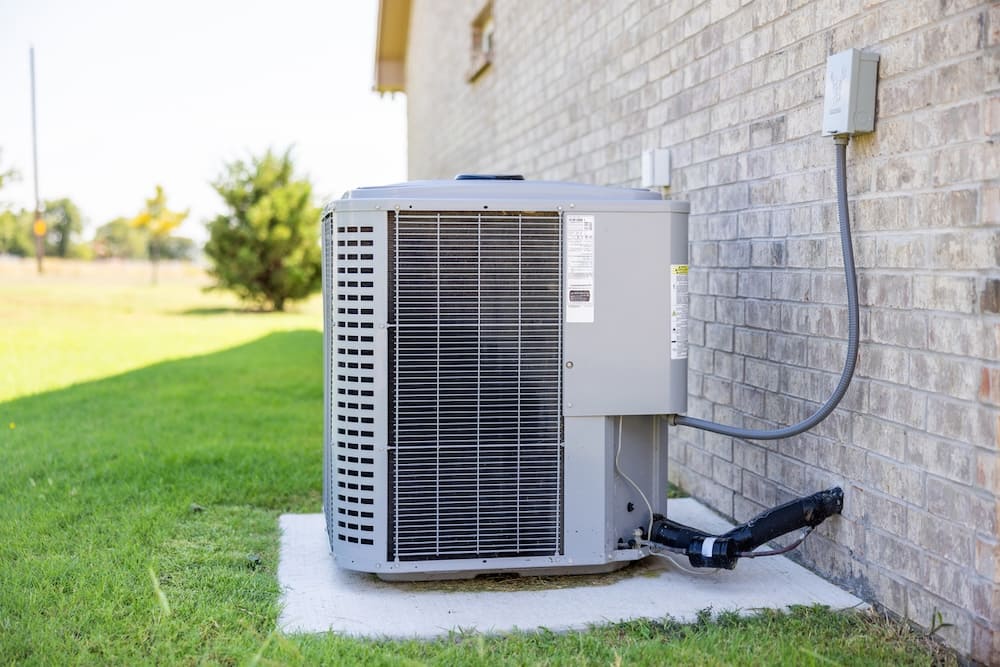
An AC blowing warm or weak air is one of the most common (and most urgent) HVAC complaints in Texas homes, and it almost always […]
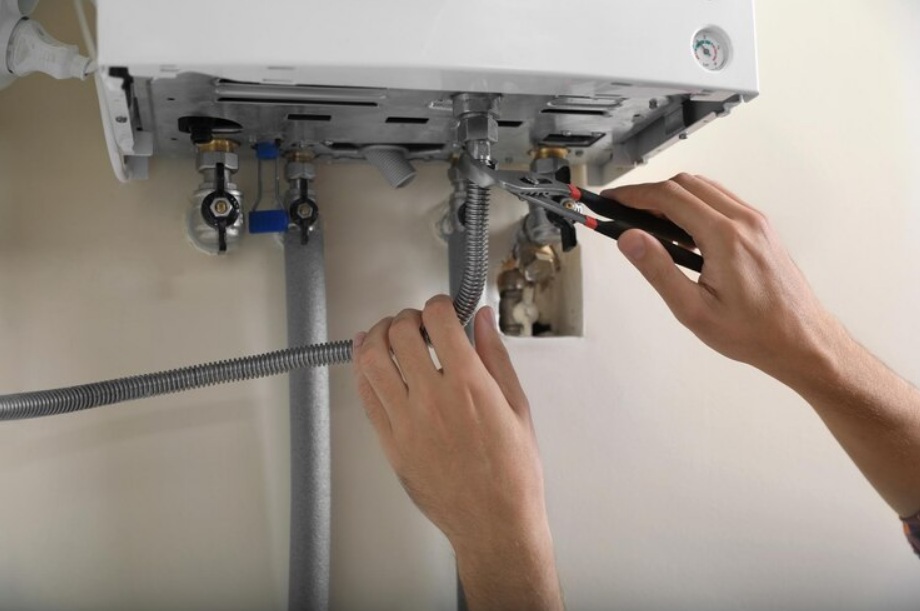
A water heater should operate without drawing much attention, so popping, crackling, or rumbling sounds coming from the tank can be concerning. Your system may […]

When the water in your bathroom sink starts draining slower than usual, it does not take long before it turns into a daily frustration. Standing […]