

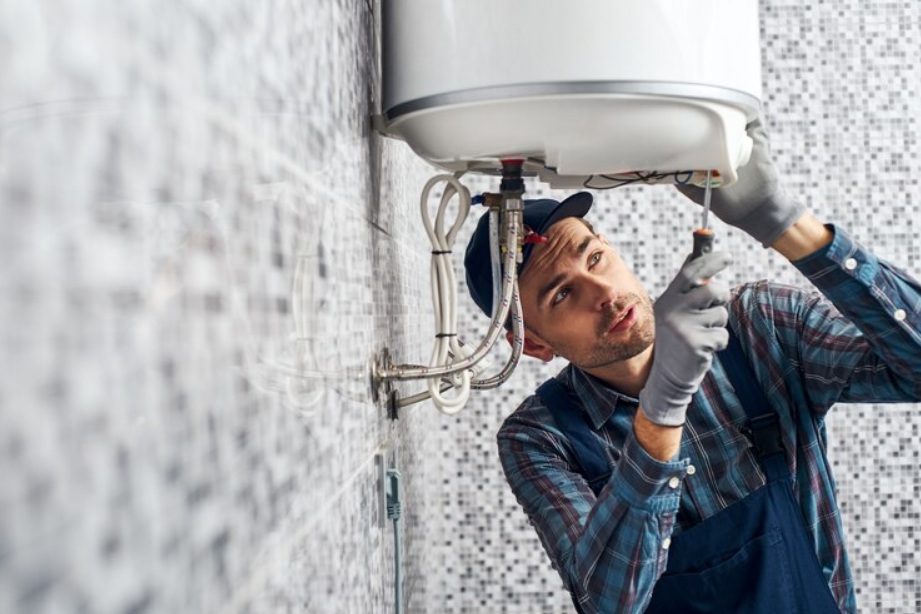
Blog
Home || Blog
A steady supply of hot water is something many homeowners in Splendora count on, especially when it comes to daily tasks like showers, dishwashing, and laundry. Whether it’s getting ready for work or cleaning up after dinner, the water heater plays a big role in keeping life at home comfortable. That’s why it can become a real hassle when the water heater won’t stay lit. It disrupts routines and brings up questions about what’s wrong and how to get it working again.
A water heater that keeps shutting off can be frustrating. Sometimes it works long enough to tease you into thinking it’s fixed, but then it goes out again. Even worse, standing over the heater trying to re-light it again and again doesn’t solve anything. This kind of issue can be traced back to several different causes, and understanding them can help homeowners get ahead of the problem before it gets worse.
Common Causes Of A Water Heater Not Staying Lit
When a water heater pilot won’t stay lit, it’s usually a warning that something isn’t working the way it should. There are a few usual suspects that might be to blame, and most of them have to do with gas flow, air intake, or faulty components. Knowing the common reasons this happens can prevent wasted time relighting the pilot repeatedly. Here’s a breakdown of what might be going wrong:
– Gas supply issues: If the gas line is partially blocked or the flow is inconsistent, the pilot light can go out shortly after being lit. This can be caused by problems like a faulty gas regulator or issues with the supply line itself.
– Faulty thermocouple: This is one of the most frequent causes. The thermocouple is a small safety device that detects the pilot flame. If it’s dirty, bent too far from the flame, or broken altogether, it will stop the gas valve from staying open even if the flame is actually present.
– Clogged pilot tube: Dirt or debris inside the pilot tube can restrict the small amount of gas meant to keep the pilot light on. Even a light buildup can throw things off.
– Defective gas control valve: This component manages gas to both the pilot and burner. If it malfunctions, it may cut off the gas unexpectedly, even when everything else seems to be working fine.
– Limited air supply: A water heater located in a tight or sealed space may have poor ventilation. Without enough air, the pilot may struggle to stay lit. Proper airflow is essential for combustion.
In one common scenario, a neighbor in Splendora noticed their water heater kept going out every other day. They assumed it was a weak pilot flame and tried relighting it multiple times. After a visit from our technicians, the actual issue turned out to be a dirty thermocouple not sending the right signal to the gas valve. Once professionally cleaned and adjusted, the unit worked like normal.
Pinpointing the cause helps reduce guesswork and stress. While some issues can be identified with a quick look, most require the tools and training of a qualified professional to fix properly and safely.
Diagnostic Steps Homeowners Can Take
There are a few simple steps a homeowner in Splendora can follow to gather useful information about what’s going on before calling in expert help. These actions don’t require any disassembly or tools, and they help narrow down the potential cause of the pilot light issue.
1. Check the gas supply: Make sure the gas valve next to the water heater is turned on. It should be in line with the pipe. If the unit runs on propane and the tank is low or empty, refill it before testing. Don’t try to light the water heater repeatedly if you suspect an issue with gas pressure.
2. Inspect the pilot flame: Observe the flame while it’s lit. It should be a strong blue tip with little flickering. If it’s weak, yellow, or barely visible, it could be blocked airflow or a dirty pilot tube. Keep track of how long it stays lit and when it goes out.
3. Look at the thermocouple: If safely visible, check if the thermocouple is out of place or showing signs of corrosion. This part should sit close to the flame, usually less than half an inch away. If it looks bent or shifted, it may not detect the flame properly.
4. Smell for gas or listen for hissing: If you smell gas or hear any sort of hissing noise around the valve or pilot area, stop everything and turn off the gas supply. This might signal a problem that needs to be addressed immediately by our professionals.
5. Check for blocked airflow: Make sure the space around the water heater is not blocked by storage boxes or clutter. These units need fresh air to keep running. Poor airflow can lead to incomplete combustion, making the burner shut off early.
By going through these steps, homeowners can better understand whether it’s a simple airflow issue or something more technical like a broken part. Either way, writing down what was observed is helpful in making the repair process faster and smoother once it’s in our hands.
When to Contact Our Professionals for Water Heater Repair
Sometimes the problem goes beyond a simple fix. If you’ve already checked the thermocouple, pilot flame, and gas supply but the water heater still won’t stay lit, it may be time to involve our professionals. Repeated attempts to keep the pilot light on without success could be a sign of an internal failure that requires specific tools and experience to handle safely.
Here are signs it’s time to schedule a professional repair:
– You’ve already relit the pilot light several times, and it still won’t stay lit.
– The flame appears abnormal, either too weak or yellow in color.
– You can’t see an obvious reason for the failure, even after doing basic checks.
– There’s evidence of rust, soot, or a burning smell near the water heater.
– Hot water stops working for longer periods or fluctuates more often.
– You smell gas or hear unusual noises coming from the unit.
Waiting too long to get reliable help could lead to more expensive repairs or even a full system replacement sooner than necessary. Acting early helps avoid water damage and ensures the unit performs as expected. When our technicians inspect the system, they will test each component and identify the real cause, whether it’s the gas valve, pilot light assembly, or something deeper in the unit.
Our professionals have the tools to perform gas pressure tests and check for airflow obstructions that can’t be seen with a basic visual inspection. Diagnosis is often faster when handled by someone who knows what to look for. If there’s damage inside the burner or wiring issues that prevent the ignitor from working, we will provide a solution to restore proper operation and prevent repeat problems.
Preventive Tips for Maintaining Your Water Heater
Preventing issues ahead of time saves future hassle. While water heaters are made to be low-maintenance, regular observation and a few habits around the home can help reduce the chances of reoccurring pilot issues.
Here’s what homeowners in Splendora can do to help maintain their system:
– Keep the area around the water heater free of storage boxes or clutter to ensure steady airflow.
– Check the pilot assembly every few months for signs of dirt, cobwebs, or rust buildup. Clearing debris early helps avoid blockages.
– Schedule an annual check-up from our technicians, especially before seasonal shifts or increased usage periods.
– Monitor for early signs of inconsistent water temperature or unusual noises, which can point to sediment buildup or damaged components.
– Avoid storing flammable materials or cleaners near the unit, as this can affect combustion safety or cause performance issues over time.
Small efforts throughout the year can keep your water heater running smoother and longer. Routine maintenance also gives professionals a chance to spot weak points before they lead to major breakdowns.
Ensuring Consistent Hot Water Supply in Splendora
Dealing with a pilot light that won’t stay lit can feel like running in circles, especially when the source of the problem isn’t immediately clear. Gas flow, airflow, and internal components all play a part in how smoothly your water heater operates. Even with basic checks at home, it helps to have professionals step in when warning signs start to stack up.
Staying on top of upkeep makes it easier to spot problems before they turn into bigger ones. Clean surroundings, simple inspections, and scheduled maintenance go a long way in extending the life of your unit. If the hot water keeps cutting out and home fixes stop working, it’s better to take action early to restore comfort and reliability in your Splendora home.
Ensuring your water heater functions reliably is crucial for comfort at home, and addressing issues before they escalate makes all the difference. Trust McWilliams to support your comfort needs with expert AC service in Splendora tailored for homeowners. For a quick estimate or to book a service visit, please contact us today.
Share This :

ferociousmedia
Table of Contents
Latest
Discover New Blog Posts
Stay updated with our latest blog posts.
An AC blowing warm or weak air is one of the most common (and most urgent) HVAC complaints in Texas homes, and it almost always […]
A water heater should operate without drawing much attention, so popping, crackling, or rumbling sounds coming from the tank can be concerning. Your system may […]

When the water in your bathroom sink starts draining slower than usual, it does not take long before it turns into a daily frustration. Standing […]