
Why Finding Quality HVAC Repair Matters for Texas Homeowners
When your search for hvac repair in my area becomes urgent on a sweltering Texas afternoon, you need answers fast. Here’s what you need to know:
Quick Action Steps:
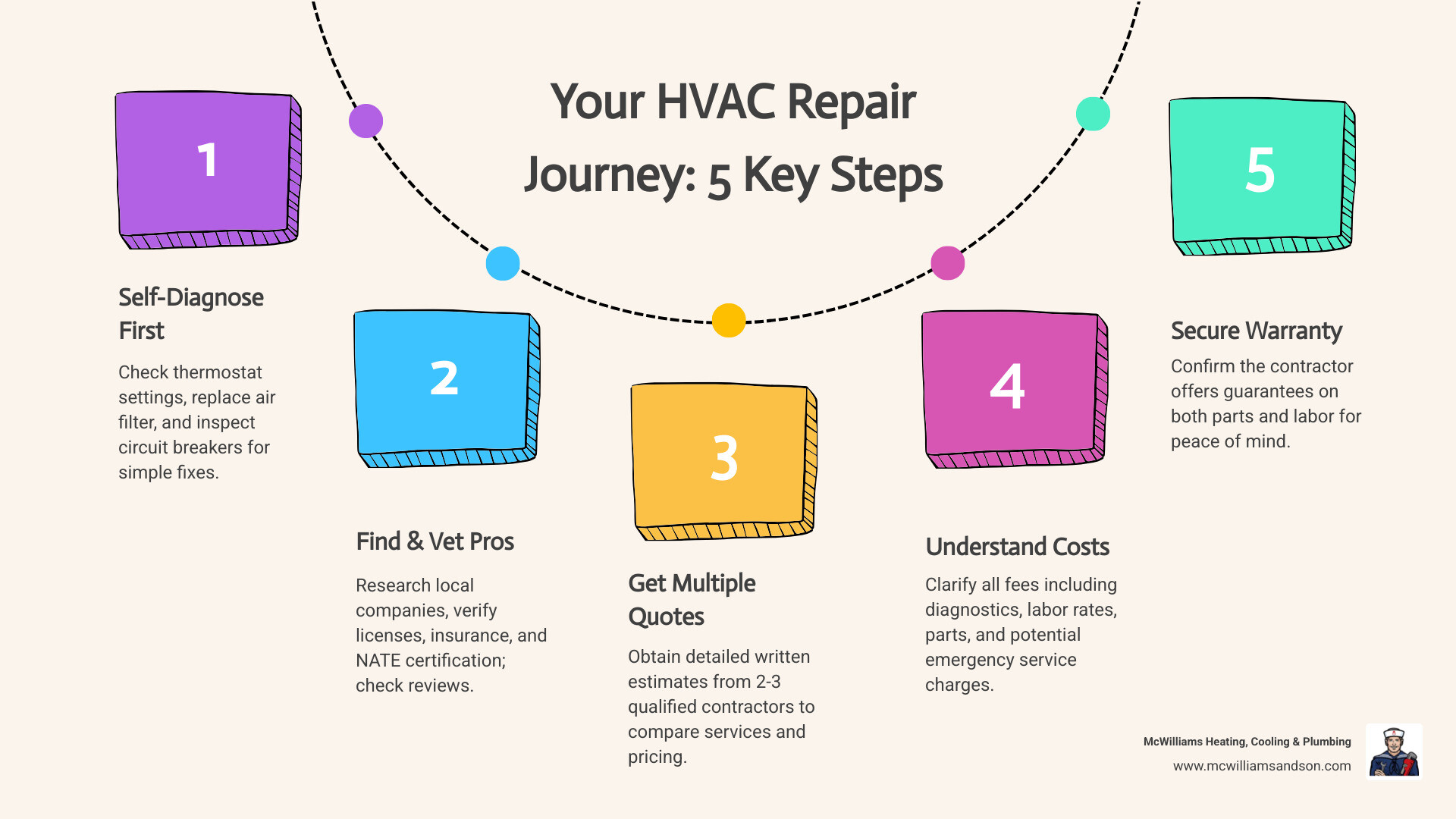
- Check basics first – thermostat settings, air filter, and circuit breakers.
- Get multiple quotes – average repair costs range from $100 to $2,000.
- Verify credentials – ensure licensing, insurance, and NATE certification.
- Ask about warranties – reputable contractors offer guarantees on their work.
- Consider timing – emergency repairs cost more than scheduled service.
Nobody likes air conditioning problems, especially during a Texas summer. Whether it’s a furnace that won’t start or an AC that’s given up, HVAC system failures always happen at the worst possible time.
The good news is that most HVAC issues are fixable. Modern air conditioners last 15-20 years, and furnaces can work for 15-30 years. When problems strike, finding reliable repair service can save you money and discomfort.
Finding the right HVAC contractor isn’t just about a one-time fix—it’s about building a relationship with professionals who will keep your home comfortable for years.
Is Your HVAC System Crying for Help? 7 Telltale Signs
Your HVAC system usually works quietly until something is wrong. When it sends distress signals, it’s time to pay attention before a small problem becomes an expensive headache.
- Unusual noises: Your system should hum quietly. Bangs, squeals, or grinding sounds often mean loose parts or a struggling motor that needs professional attention.
- Strange odors: A burning smell can indicate electrical problems, while musty odors point to mold in your ductwork. These issues can be dangerous to ignore.
- Weak airflow: If air barely trickles from your vents, it could be due to clogged filters, blocked ducts, or blower motor trouble.
- Inconsistent temperatures: If one room is an icebox and another is a sauna, your system is struggling with air distribution. This could be caused by duct leaks or thermostat malfunctions.
- Rising energy bills: A sudden spike in your monthly costs means your system is losing efficiency and working harder to maintain temperatures.
- Frequent cycling: When your system turns on and off repeatedly without completing a full cycle, it’s “short cycling.” This wastes energy and strains your equipment.
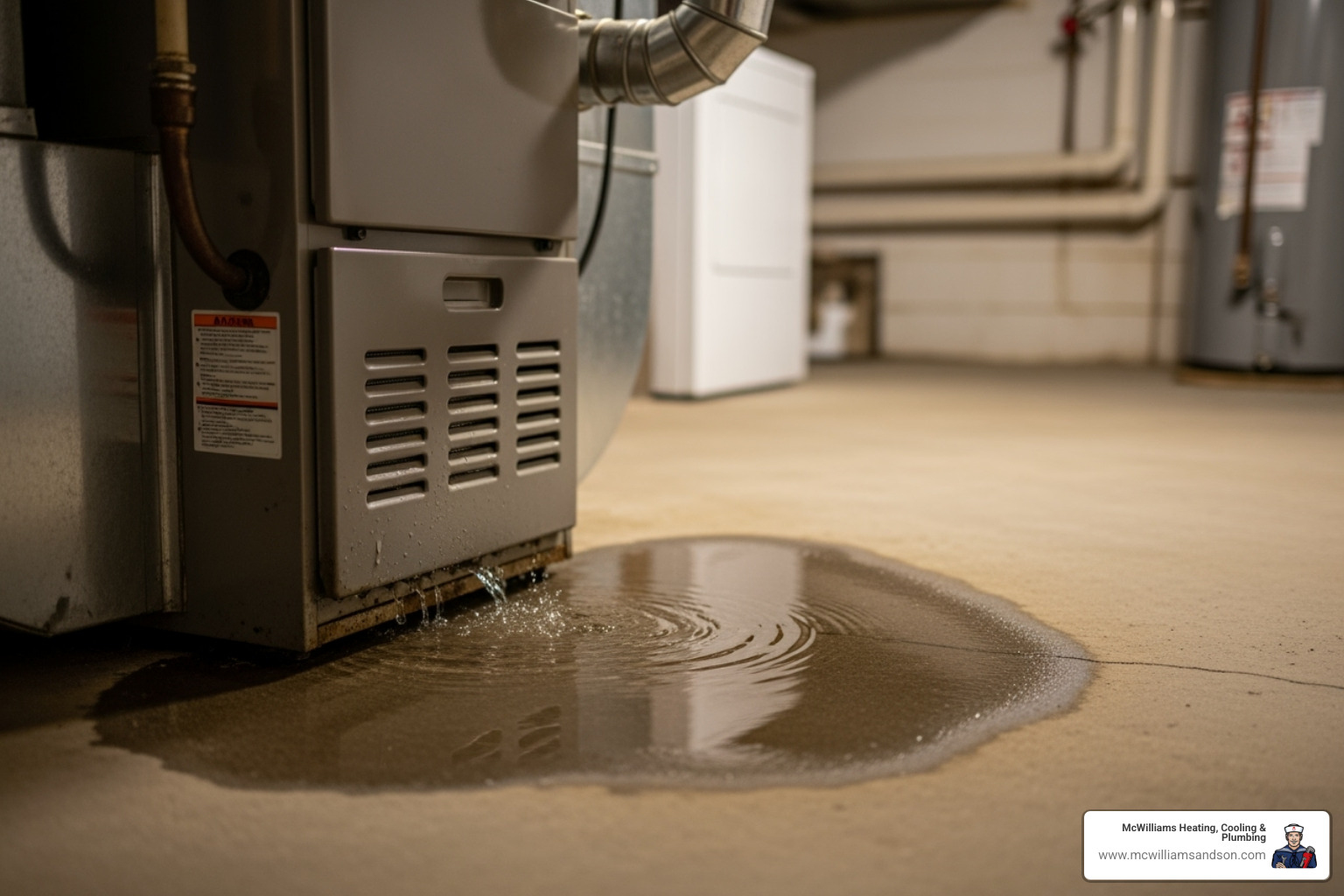
- Leaks or moisture: Puddles around your indoor or outdoor units often mean clogged drain lines or refrigerant leaks that need immediate repair.
If these signs are familiar, it’s time to search for hvac repair in my area before the problem worsens. For comprehensive solutions, you can find more info about AC repair services to get your system back on track.
Why Regular Maintenance is Your First Line of Defense
Think of your HVAC system like a car—it needs regular tune-ups. Regular maintenance can save you significant money and frustration.
- Preventing breakdowns: Routine checkups catch common issues like dirty filters or coils before they become emergencies.
- Improving efficiency: A well-maintained system uses less energy, which means lower monthly bills.
- Extending lifespan: Regular servicing helps your AC and furnace reach their full potential lifespan, keeping components running smoothly for years longer.
- Improving air quality: Technicians clean filters and ductwork, removing dust and allergens from your home’s air.
The difference between maintenance and repair is timing: maintenance prevents problems, while repair fixes them after they break. It’s always cheaper to prevent issues than to fix them. Our more info about HVAC maintenance plans are designed to keep your system running perfectly year-round.
Common HVAC Culprits and Their Fixes
When your HVAC system acts up, it’s often one of a few common culprits. Understanding the issue can help you communicate better with your technician.
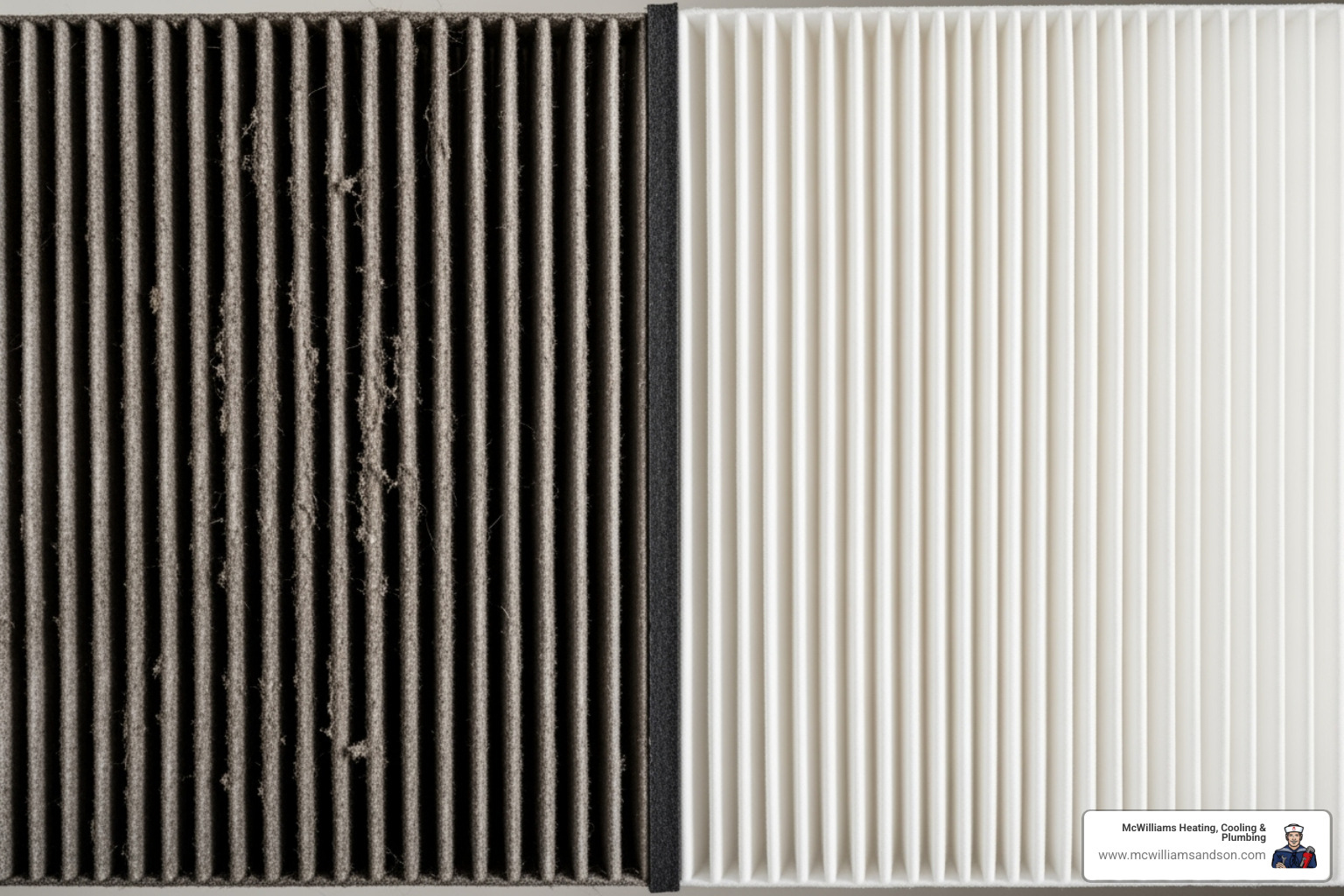
- Clogged filters: A dirty filter suffocates your system, forcing it to work overtime and increasing energy bills. The fix is simple: replace your filter every 1-3 months.
- Thermostat malfunctions: Sometimes the problem is the thermostat, not the HVAC unit. Dead batteries, wrong settings, or internal dust can cause erratic behavior.
- Refrigerant leaks: Leaks gradually reduce your AC’s cooling power. You might notice a sweet smell or that your system runs constantly without cooling effectively.
- Dirty coils: Your indoor and outdoor coils need to be clean to transfer heat. When covered in grime, your system works much harder.
- Blower motor issues: Failing blower motors often announce themselves with strange noises or weak airflow.
- Capacitor failure: Capacitors give your motors the boost to start. If one fails, you might hear a hum, but the system won’t turn on.
- Compressor problems: The compressor is the heart of your AC. A failure is a serious and expensive repair, but proper maintenance helps prevent it.
Professional diagnosis is key to getting the right fix. For heating-specific issues, you can find More info about heating repair services.
DIY Checks Before Searching for hvac repair in my area
Before you search for hvac repair in my area, try these quick checks. You might solve the problem yourself and save a service call.
- Thermostat settings: Ensure it’s on the right mode (heat/cool), the fan is on “auto,” and the temperature is set correctly. Replace batteries if needed.
- Air filter: If it’s dirty, replace it. A clogged filter is a common cause of poor airflow and system shutdowns.
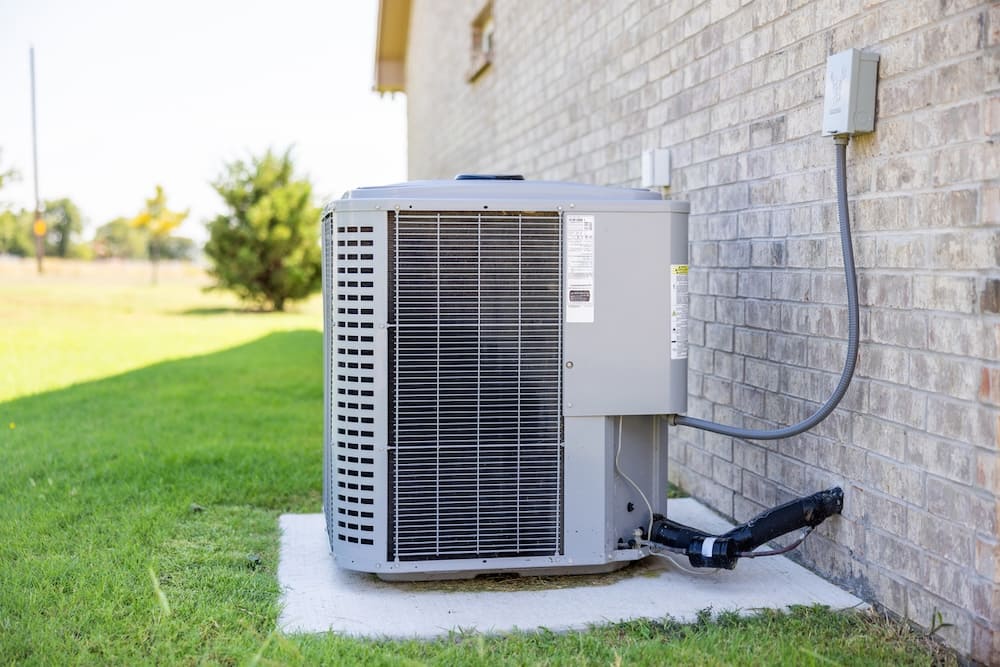
- Outdoor unit: Clear away leaves, grass, and debris. Your unit needs at least two feet of clearance on all sides.
- Circuit breakers: Check your electrical panel for a tripped breaker. Flip it off, then back on. If it trips again, you have a larger electrical issue.
- Drain line: If you can access it safely, check for a clogged drain line or overflowing pan, which can trigger a safety shutoff.
If these steps don’t work, it’s time to call a professional for a proper diagnosis and repair.
Decoding the Bill: What to Expect for HVAC Repair Costs
No one likes surprise repair bills. Understanding hvac repair in my area pricing can help you know what to expect.
Most HVAC repairs cost between $100 and $2,000, with an average around $350. The final price depends on the complexity of the repair.
Most companies use one of two pricing models. Hourly rates typically run from $50 to $150 per hour. We prefer flat-rate pricing for most jobs, so you know the exact cost before work begins—no clock-watching or surprise overtime charges.
A diagnostic fee of $150 to $500 is common. This covers the technician’s time to identify the problem. Many companies, including us, will apply this fee toward the repair cost if you proceed with the work.
Emergency service charges apply to after-hours and weekend calls, as these services require technicians to work outside normal hours.
Cost shouldn’t prevent you from being comfortable. We offer financing options to help manage the expense of necessary repairs.
Factors That Influence Your Final Cost
Several factors affect your final bill:
- Type of repair: This is the biggest factor. A capacitor replacement might cost $100-$500, while compressor repair costs can range from $750 to $2,000.
- Parts needed: Generic parts are cheaper than brand-specific ones. Parts for older systems can be harder to find and more expensive.
- Labor and accessibility: Labor rates vary by location and job complexity. If your unit is in a hard-to-reach space, expect to pay more for the extra time involved.
- Time of year: Demand for repairs is highest in peak summer and winter. Emergency calls during these times may carry higher charges due to technician availability.
- Warranty coverage: Check your warranty. If the system or part is covered, you may only have to pay for labor, saving you hundreds of dollars.
How to Find the Best HVAC Repair in My Area
When your AC or heater fails, finding reliable hvac repair in my area is a top priority. With a little research, you can find a trustworthy contractor.
Start with online searches and local directories to find companies and read customer reviews. Look for consistent patterns of professionalism and quality work. Don’t forget to ask for word-of-mouth referrals from neighbors, who can offer trusted recommendations.

Vetting a Contractor for hvac repair in my area
Finding potential contractors is the first step. Vetting them is crucial to ensure they are qualified.
- Licensing and Insurance: Every Texas HVAC contractor must be licensed. You can verify a license with the Texas Department of Licensing and Regulation (TDLR). Insurance protects you and the contractor if something goes wrong.
- NATE Certification: Look for technicians with NATE (North American Technician Excellence) certification. It’s the industry’s gold standard and indicates a high level of expertise.
- Experience: Ask if the contractor has experience with your specific system brand.
- Written Estimates: Always insist on a detailed, written estimate before work begins to avoid surprise charges.
- Warranties and Guarantees: A reputable contractor will stand behind their work with warranties on both parts and labor.
Here are essential questions to ask before hiring an HVAC contractor:
- Are you licensed and insured? Can I see proof?
- Are your technicians NATE certified?
- How long have you been in business?
- Can you provide recent customer references?
- What is your diagnostic fee, and is it applied to the repair cost?
- Do you provide a written estimate before starting work?
- What warranty do you offer on parts and labor?
- What are your payment methods and financing options?
- What is your response time for emergency calls?
Asking these questions upfront can save you time, money, and future headaches. The cheapest quote isn’t always the best value.
The Big Decision: When to Repair vs. Replace Your HVAC System
Sometimes you face a tough choice: repair your old HVAC system or replace it? Here’s how to decide if you’re throwing good money after bad.
- System Age: AC units typically last 15-20 years, while furnaces last 15-30 years. If your system is nearing the end of its lifespan, replacement often makes more financial sense.
- Repair Frequency: If you’re constantly searching for hvac repair in my area, the costs are adding up. Frequent repairs can quickly exceed the price of a new unit.
- Cost of Repair: Many pros use the “50% Rule”: if a repair costs more than half the price of a new system, replacement is usually the better option. For older systems, even a $500+ repair like a compressor fix ($750-$2,000) might warrant replacement.
- Energy Efficiency: Modern systems are far more efficient. Upgrading to a unit with a higher SEER rating (for ACs) or AFUE rating (for furnaces) can significantly lower your monthly energy bills.
While a new system is a large upfront investment, the long-term savings from lower energy bills and fewer repair calls often make it the smarter financial choice. Replacing an aging AC and furnace together can also save money.
| Consideration | Repair | Replace |
|---|---|---|
| Upfront Cost | Lower immediate expense | Higher initial investment |
| Energy Savings | Minimal to none | Significant monthly savings |
| Lifespan | Short-term extension | Full 15-30 year lifespan |
| Reliability | More frequent breakdowns | High reliability, peace of mind |
| Technology | Stuck with older features | Smart thermostats, advanced controls |
| Warranty | Limited repair warranty | Complete manufacturer protection |
| Environmental Impact | Less immediate waste | Better efficiency, lower carbon footprint |
The best time to replace your system? During the off-season (early spring or fall) when demand is lower and deals are often better.
With over 50 years in business, we’ve helped countless homeowners make this decision. We can help you weigh your options to find the right choice for your family.
Frequently Asked Questions about HVAC Repair
When your HVAC system fails, questions are natural. Here are answers to the most common concerns we hear from homeowners searching for hvac repair in my area.
How long do most HVAC systems last?
Typically, AC units last 15 to 20 years, while furnaces can last 15 to 30 years. Heat pumps have a lifespan of about 15 to 20 years. However, these are averages. Regular maintenance, proper installation, and correct sizing are crucial for maximizing your system’s life. The Texas climate can also cause systems to age faster due to heavy use.
How often should I have my HVAC system serviced?
We recommend servicing your system twice a year: a spring tune-up for your AC and a fall check-up for your heater. This seasonal approach prevents breakdowns, improves efficiency, lowers energy bills, and extends your equipment’s lifespan. It’s a small investment that provides significant returns in comfort and savings.
Can I perform any HVAC repairs myself?
While we admire a DIY spirit, some HVAC repairs are best left to professionals. You can safely handle basic tasks like changing air filters, cleaning the outdoor unit, checking circuit breakers, and replacing thermostat batteries. These steps can often solve minor issues.
However, HVAC systems contain complex electrical parts, pressurized refrigerants, and gas lines. Attempting to fix these without proper training is dangerous and can lead to electric shock, refrigerant exposure, or gas leaks. You could also turn a minor issue into a major one or void your system’s warranty.
Call a professional for any refrigerant or electrical problems, strange internal noises, or persistent short cycling. Your safety and your system’s health are worth the cost of a service call.
Conclusion
When your HVAC system fails, it can be stressful, especially during a Texas heatwave. But now you’re equipped with the knowledge to handle it.
Remember the warning signs of a failing system and the simple DIY checks that might save you a service call. Understanding repair costs and how to vet a contractor puts you in control of the process. And when facing the repair-versus-replace decision, you can now make an informed choice for your budget and long-term comfort.
Above all, regular maintenance is your best defense against unexpected breakdowns and high energy bills.
For expert HVAC services in the Greater Texas Area, including Katy, Nacogdoches, Lufkin, and Livingston, trust the experienced team at McWilliams Heating, Cooling & Plumbing. With over 50 years of experience, our NATE-certified technicians are available 7-days-a-week, offer flexible financing, and provide free in-home estimates to ensure reliable service for all your residential and commercial needs.