

Why Understanding Your Air Conditioning Repair Options Matters
When air conditioning repair in my area becomes urgent during Texas heat, knowing your options can save you time, money, and stress. Here’s what you need to know right away:
Quick AC Repair Guide:
- Average repair costs: $100-$2,000+ depending on the issue
- Common repairs: Capacitor replacement ($100-$500), Compressor repair ($750-$2,000)
- Technician rates: $50-$150 per hour, plus $150-$500 for inspection
- When to call: Warm air, weak airflow, strange noises, or frequent cycling
- AC lifespan: 15-20 years with proper maintenance
Nobody wants their air conditioner to break down during a scorching Texas summer. When your AC stops working, it’s not just uncomfortable – it can be downright miserable for your family.
The good news? Most AC problems have clear warning signs. Learning to spot these early can prevent a minor issue from becoming an expensive emergency.
Whether you’re dealing with warm air blowing from your vents, strange noises coming from your unit, or sky-high energy bills, understanding your repair options helps you make smart decisions. You’ll know when to call a professional, what questions to ask, and how much repairs should cost.
This guide walks you through everything from spotting problems early to choosing the right repair service – so you can get your home comfortable again without breaking the bank.
Spotting the Signs: When Does Your AC Need Repair?
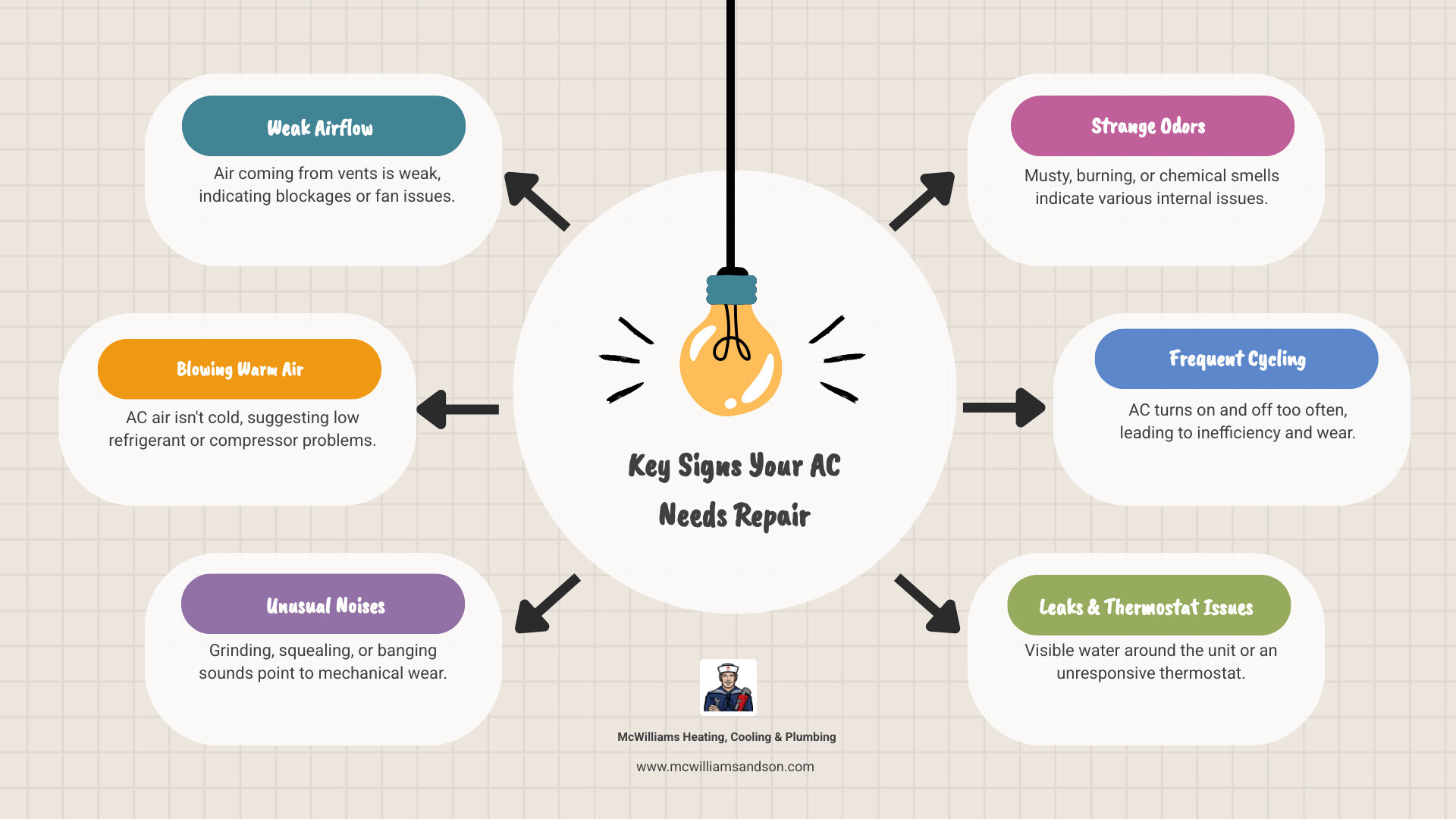
During a Texas summer, your AC usually gives warning signs before it fails completely. Catching these problems early can mean the difference between a simple fix and a costly replacement, saving you from a hot house on the worst possible day.
- Weak airflow: If you barely feel air from your vents, your AC is struggling. This could be a failing blower motor, ductwork issues, or a clogged filter.
- Blowing warm air: This is a clear sign of trouble, often pointing to a refrigerant leak or a failing compressor.
- Strange noises: Your AC should hum quietly. Grinding, squealing, or banging sounds indicate a problem. Grinding often means bad motor bearings, while squealing can point to a worn-out belt.
- Odd smells: A musty odor suggests mold in your ductwork. A burning smell is more serious and could signal electrical problems or an overheating motor.
- Frequent cycling: When your AC turns on and off repeatedly (short-cycling), it puts extra strain on the equipment and increases energy bills.
- Thermostat issues: If your thermostat is unresponsive, shows incorrect temperatures, or has a blank display, it may need attention. Check the batteries first, but it could be a more serious issue.
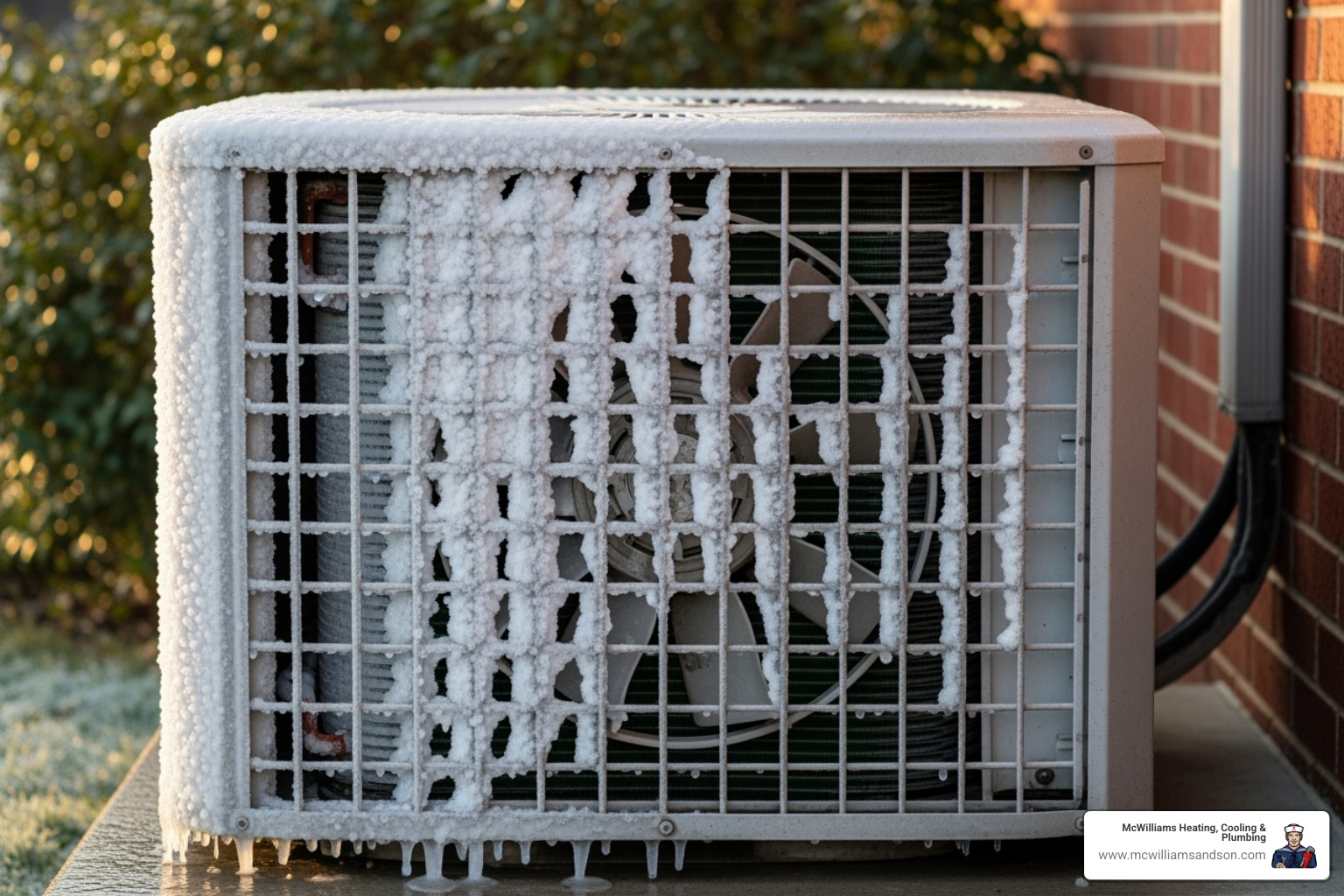
- Leaks and moisture: Puddles of water around your indoor unit are a red flag. This could mean a clogged drain line, a refrigerant leak, or a frozen evaporator coil.
Common AC Problems and What They Mean
Let’s break down what these signs mean for your system’s health.
- Blowing warm air or insufficient cooling often points to a refrigerant leak or a compressor issue. Your compressor is the heart of the AC, and when it fails, cooling stops. Insufficient cooling can also be caused by airflow problems like a clogged filter or a blocked outdoor condenser unit.
- Unusual noises tell their own story. A worn-out belt causes squealing, while debris in the unit creates banging or rattling. Bad motor bearings produce a grinding sound that gets worse over time and can lead to motor failure.
Understanding the Lifespan of Your HVAC System
Knowing your system’s age helps you make smart repair-versus-replace decisions. The average AC lifespan is 15-20 years, while a furnace can last 15-30 years. Several factors affect this, including:
- Maintenance: Regular tune-ups are the biggest factor in extending system life.
- Climate: The demanding Texas climate means AC units work harder and may have a shorter lifespan.
- Usage: Keeping your thermostat at very low temperatures puts more strain on the system.
If your system is over 15 years old and needs frequent or expensive repairs (costing more than 50% of a new unit), replacement often makes more financial sense. For more details about your options, check out air conditioning installation services.
Decoding the Costs and Process of Professional Air Conditioning Repair in My Area
When your AC breaks down, understanding the repair process and costs can reduce stress. Here’s what to expect when you call for professional service.

When you call for air conditioning repair in my area, a qualified technician will diagnose your system and provide an upfront estimate before any work begins. No surprises, no hidden fees – just honest pricing. The diagnosis usually takes 30-60 minutes. The technician will check everything from electrical connections to refrigerant levels and explain their findings clearly.
Most common repairs can be done the same day. More complex issues that require special parts might need a follow-up visit, but you’ll receive a clear timeline.
Typical Costs for Air Conditioning Repair in My Area
Air conditioning repair in my area can range from $100 for simple fixes to over $2,000 for major component replacements, with an average around $350. Key cost factors include:
- Hourly rates: Typically $50-$150, though many companies (like us) use flat-rate pricing so you know the cost upfront.
- Inspection fees: Usually $150-$500 for the diagnostic work. Many companies apply this fee toward the final repair cost.
Here’s what common repairs typically cost:
| Repair Type | Typical Cost Range |
|---|---|
| Refrigerant Recharge | $200 – $600 |
| Capacitor Replacement | $100 – $500 |
| Compressor Repair | $750 – $2,000 |
Capacitor replacement ($100-$500) is an affordable, common fix. Compressor repairs ($750-$2,000) are more expensive, and for an older unit, replacement might be a better financial choice.
Money-saving tip: Emergency repairs on evenings, weekends, or holidays cost more. Calling during regular business hours can save you money.
We know unexpected AC repairs can strain a budget. That’s why we offer flexible financing options to make these services more manageable.
Are There Rebates or Programs Available?
While we don’t offer direct rebates, several programs can help offset your expenses, especially for energy-efficient upgrades.
- Local utility rebates: Companies like CenterPoint Energy, Reliant, and TXU often offer rebates for installing energy-efficient HVAC systems or for repairs that improve efficiency.
- Manufacturer rebates: These are often available for new installations, especially in the spring and fall.
- Government programs: Federal tax credits and state incentives may be available for homeowners who upgrade to high-efficiency systems.
Pro tip: Check your utility company’s website for current energy-saving programs and rebates. We can provide any necessary documentation for your equipment or repairs. You can also search current offers via the ENERGY STAR Rebate Finder and the DSIRE incentives database.
Choosing the Right Pro: What to Look for in an AC Repair Service
When you need air conditioning repair in my area, choosing the right professional is crucial to avoid bigger headaches later. You want a technician who is experienced, trustworthy, and qualified.
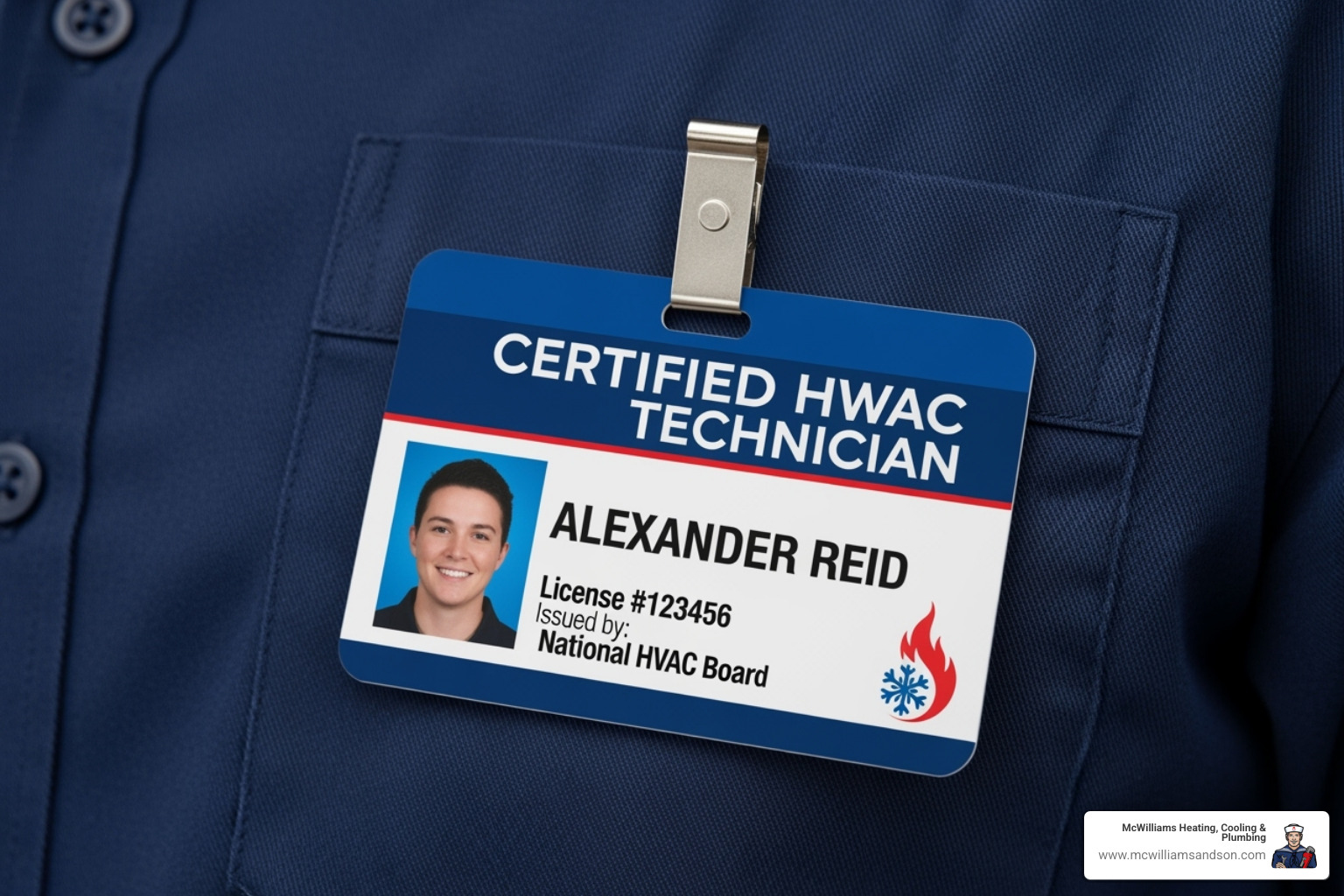
- Experience and Licensing: A seasoned, licensed technician can diagnose issues faster and understands Texas safety codes. Don’t risk your safety or home’s value with unlicensed work.
- Insurance: A reputable company carries liability and worker’s compensation insurance. This protects you from liability if an accident occurs on your property during the repair.
- Certifications: Look for NATE (North American Technician Excellence) certification, which shows a technician has passed rigorous, real-world exams. EPA Section 608 certification is also legally required for anyone handling refrigerants.
- Online Reviews: Check sites like Google and the Better Business Bureau for honest feedback from other homeowners. Look for patterns in reviews regarding punctuality, fair pricing, and quality of work. A high BBB rating is a good sign of a company’s commitment to customer service.
Key Questions to Ask Before Hiring
Asking the right questions can save you money and stress. A good company will welcome them.
- How long have you been in business? Are your technicians licensed and insured?
- Do you have experience with my specific AC brand?
- Can I get an itemized estimate in writing?
- What kind of warranty do you offer on parts and labor?
- What are your response times for emergency service?
At McWilliams, we believe in complete transparency. That’s why we offer detailed estimates, warranty our work, and provide 7-day-a-week service. Our Advantage Plan includes annual maintenance and other benefits designed to prevent those unexpected breakdowns that always seem to happen at the worst possible time.
Proactive Care: Maintaining Your AC to Prevent Future Breakdowns
Here’s something we’ve learned after decades in the HVAC business: the best air conditioning repair is the one you never need. While we’re always here when you need air conditioning repair in my area, we’d honestly rather help you avoid those emergency calls altogether!
Think of your AC like your favorite car. You wouldn’t drive it for years without an oil change, right? Your air conditioner needs that same kind of love and attention to keep running smoothly.
Regular maintenance isn’t just about preventing breakdowns – though it definitely does that. A well-maintained AC system brings some pretty amazing benefits to your home and wallet.
Energy efficiency is probably the biggest win. When your system runs smoothly, it doesn’t have to work as hard to cool your home. That translates directly to lower energy bills – and in Texas, every dollar saved on cooling costs adds up fast!
Then there’s the extended lifespan factor. Regular tune-ups can help push your AC closer to that 15-20 year mark we talked about earlier. Small fixes today prevent big replacements tomorrow.
Fewer repairs might seem obvious, but it’s worth emphasizing. Catching a worn belt during maintenance costs a lot less than dealing with a complete motor failure later. Plus, improved air quality comes as a bonus when technicians clean components that can harbor dust, allergens, and even mold.
We offer comprehensive AC maintenance services designed to keep your system in top shape year-round. You can learn more about them here: More info about AC maintenance services.
DIY Tips for Minor Issues vs. When to Call for Air Conditioning Repair in My Area
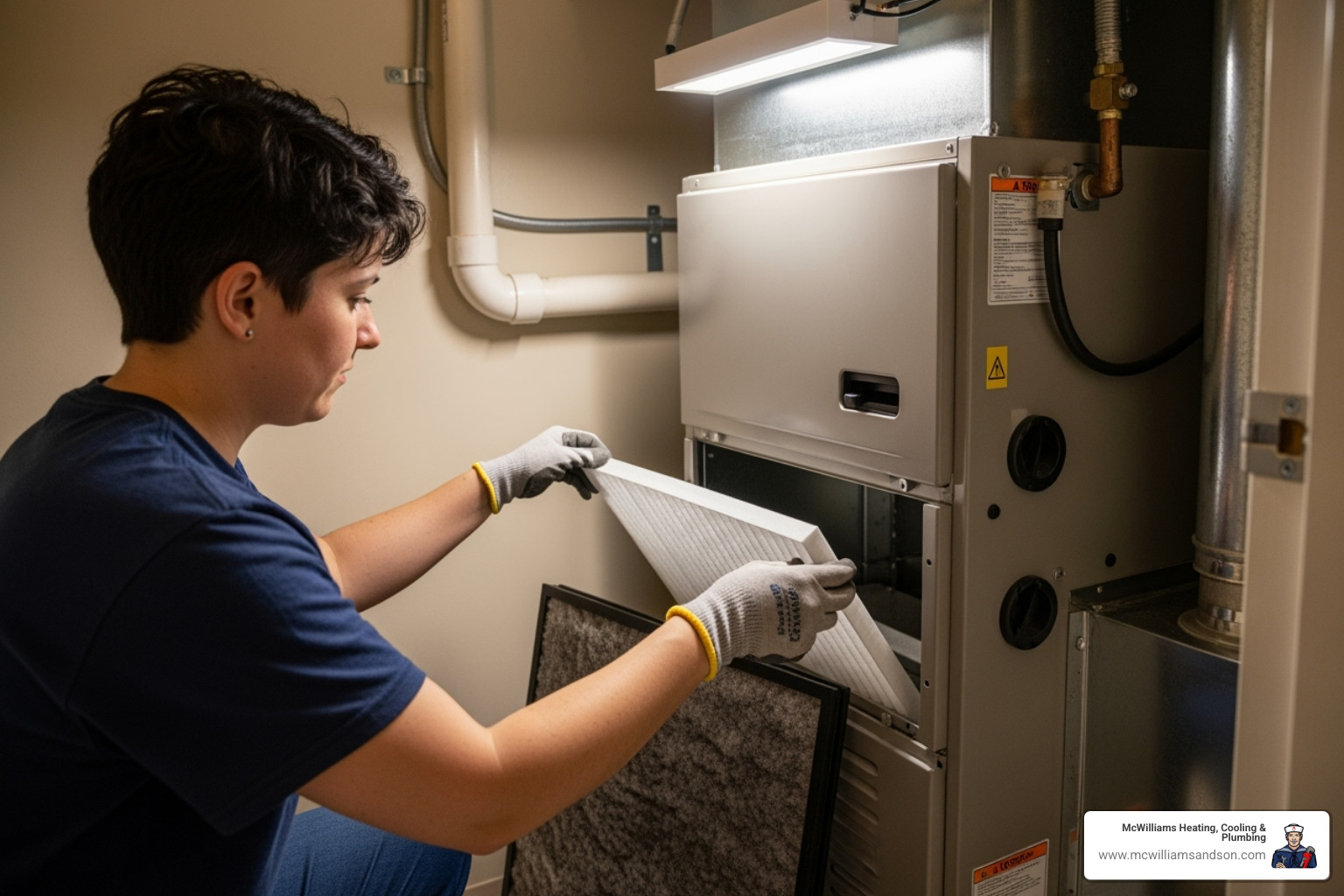
We love empowering homeowners to take care of their AC systems. There are definitely some simple tasks you can handle yourself – and they make a real difference in how your system performs.
Changing air filters regularly is hands-down the most important thing you can do. A dirty filter is like trying to breathe through a pillow – your AC has to work so much harder to push air through. We recommend changing filters every 1-3 months, especially during those brutal Texas summers or if you have furry family members.
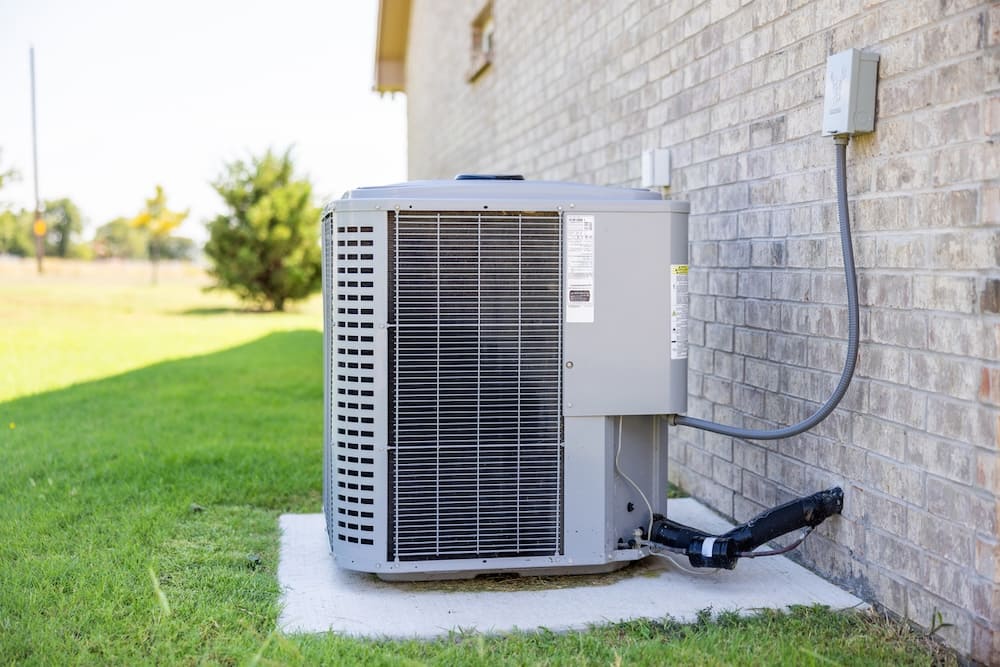
Cleaning around your outdoor unit is another game-changer. Your condenser needs room to breathe! Clear away leaves, grass clippings, and debris regularly. Give it at least two feet of clearance from plants or other obstructions. It’s amazing how much better your system runs when it can actually exhale properly.
Sometimes the fix is embarrassingly simple. Check your thermostat settings first – make sure it’s set to “cool” and the temperature is actually lower than what your home currently feels like. If it’s battery-powered, try fresh batteries. You’d be surprised how often this solves the “problem”!
Clearing your drain line can prevent water backup issues. If you notice moisture around your indoor unit, try pouring a cup of distilled vinegar down the drain line access port (usually a PVC pipe near your indoor unit). This can clear minor clogs caused by algae or mold.
But here’s where we draw the line – some issues absolutely require calling for air conditioning repair in my area. Refrigerant leaks need specialized tools and EPA certification to handle safely. Electrical problems can be downright dangerous for DIY attempts.
If you hear grinding, squealing, or banging noises, that’s your AC crying for professional help. Compressor failures are complex and expensive – definitely not a weekend project. When your system blows warm air persistently despite your DIY efforts, or if it won’t turn on at all after you’ve checked the thermostat and circuit breaker, it’s time to call us.
The golden rule? When in doubt, call a professional. A minor issue caught early by our trained technicians can prevent a much larger, more expensive headache later.
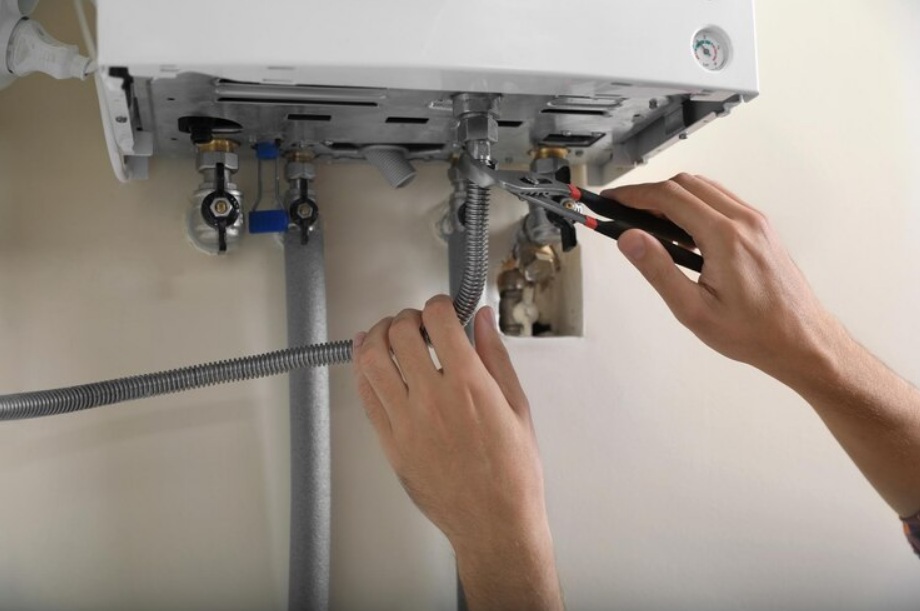
Professional tune-ups go way beyond what you can do yourself. Our technicians perform thorough assessments, check all electrical and gas connections, test running cycles, clean coils and fins, and spot potential problems before they become major breakdowns. We can also test for air pollutants to ensure your home’s air quality stays healthy. Learn more about improving your indoor air quality here: More info about indoor air quality.
Frequently Asked Questions about AC Repair
When you’re facing air conditioning repair in my area, you likely have questions. Here are answers to some of the most common ones we hear.
How long does a typical AC repair take?
Repair time depends on the problem. Diagnosis usually takes 30-60 minutes. Simple repairs, like replacing a capacitor or cleaning a drain line, often take 1 to 2 hours. Complex repairs, such as a compressor replacement or fixing a major refrigerant leak, can take several hours and may require a second visit if specific parts need to be ordered. We always provide a realistic timeline upfront.
Is it better to repair or replace an old AC unit?
This is a common dilemma. Consider these factors:
- The 50% Rule: If a repair costs 50% or more than a new unit, replacement is often the better choice.
- Unit Age: If your AC is over 15 years old and needs a major repair, replacement is usually more cost-effective in the long run.
- Repair Frequency: If you’re constantly calling for repairs, those costs add up. A new unit provides reliability.
- Energy Efficiency: A new, high-efficiency unit can cut your cooling bills by 20-40%, offering significant long-term savings.
Replacement also comes with a new warranty and the peace of mind of a reliable system. We’ll always give you an honest assessment to help you decide.
What certifications should an HVAC technician have?
Proper credentials protect you from shoddy work and safety hazards. Ensure your technician has:
- State License: In Texas, technicians must be licensed by the Texas Department of Licensing and Regulation.
- EPA Section 608 Certification: This is a federal requirement for any technician who handles refrigerants, ensuring they do so safely and legally.
- NATE Certification: While not legally required, North American Technician Excellence (NATE) certification is the industry’s gold standard, proving a technician’s real-world expertise.
At McWilliams, our technicians meet and exceed these requirements. When searching for air conditioning repair in my area, always ask about a technician’s certifications.
Conclusion
We hope this comprehensive guide has given you the confidence to handle air conditioning repair in my area with knowledge and peace of mind. From spotting those early warning signs like weak airflow and strange noises to understanding what fair pricing looks like, you now have the tools to make smart decisions about your home comfort.
Your air conditioner works hard to keep your family comfortable during those sweltering Texas summers. Regular maintenance is truly your best friend here – it prevents small issues from snowballing into expensive emergencies. Simple tasks like changing filters and keeping debris away from your outdoor unit can work wonders.
But when things get complicated – and they sometimes do – don’t hesitate to call in the professionals. Attempting complex repairs yourself isn’t just risky; it often creates bigger problems that cost more to fix later. Trust us, we’ve seen it happen more times than we’d like to count!
At McWilliams Heating, Cooling & Plumbing, we’ve been helping Texas families stay comfortable for over 50 years. We understand that AC problems don’t follow a 9-to-5 schedule, which is why we offer 7-day-a-week service. Whether it’s a Sunday afternoon breakdown or a middle-of-the-night emergency, we’re here for you.
Our team serves communities throughout the Greater Texas Area, bringing decades of experience to every service call. We believe in transparent pricing, quality workmanship, and treating your home with the same care we’d show our own.
Don’t let a struggling air conditioner turn your home into a sauna. When you need reliable, professional service, we’re just a phone call away. Find expert HVAC services in your area and get back to enjoying the cool comfort you deserve.