

Blog
Home || Blog
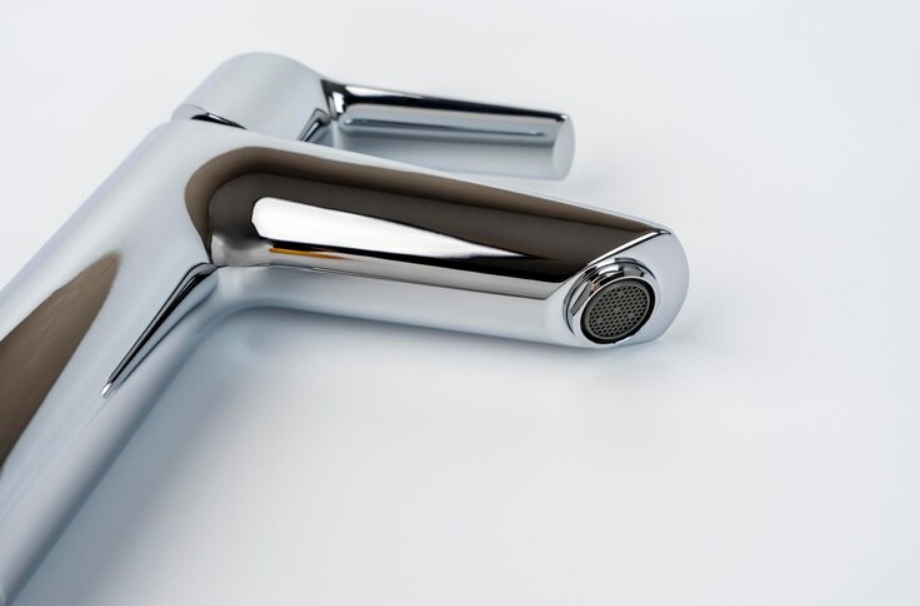
Faucet handles might seem like small parts of your home plumbing, but when they stop working right, the frustration builds quickly. Whether the handle turns too loosely, gets stuck, or starts leaking, it can interrupt the simple tasks you do every day, like washing your hands, cooking, or cleaning. For many homeowners in Shepherd, faucet handle issues pop up more often in older homes or ones with hard water, but even newer homes are not immune.
It is tempting to ignore a handle that is just a little off, but most of these problems get worse if left alone. Over time, a loose handle can turn into a leak, and a small drip can turn into wasted water and possible water damage under your sink or countertop. Knowing what causes these common problems and catching them early helps keep your faucet working the way it should and gives you fewer headaches later.
Common Causes Of Faucet Handle Issues
Most faucet handle problems come down to just a few things. These parts are mechanical and exposed to water every day, so wear and tear is expected, especially in busy homes or households with high water usage.
Here are the three most common causes of faucet handle problems in homes around Shepherd:
1. Loose or Worn-Out Screws: Screws hold the faucet handle tightly to the stem. Over time, they can get loose from weekly use. Many residents notice the handle starting to spin without turning the water on or off like it should. Left too long, it can cause the handle to fall off completely or strip the stem inside the faucet. In most cases, tightening the screw helps in the short term, but if the threading is worn down, the issue often returns quickly.
2. Corrosion and Mineral Buildup: If your home has hard water, minerals like calcium or magnesium can build up in and around the faucet. This crusty residue pushes against the inner parts, making the handle stiff or even completely stuck. Corrosion from old metal parts can also slow things down and eventually cause leaks where the metal has pitted or cracked. This is especially common in homes with older plumbing systems.
3. Damaged O-Rings and Washers: Inside the faucet, rubber parts like O-rings and washers create a tight seal and stop leaks. Over time, those rubber parts dry out, crack, or become misshaped. When this happens, handles may start to leak near the base. Sometimes you will notice water pooling behind the faucet even when no one is using it. Swapping out these parts is not always straightforward, especially if the faucet model is older or has specialty fittings.
More than one of these issues can happen at once. If you have tightened a screw and the handle is still acting up, worn-out washers or hidden buildup might be the underlying cause. Letting small problems linger usually leads to more repair needs down the line, including full faucet replacement or water damage repairs under the sink.
Step-By-Step Troubleshooting Guide
When a faucet handle acts up, homeowners in Shepherd often try to get to the root of the problem first. Pinpointing exactly what is causing the issue not only prevents further damage but also makes future upkeep easier. Use the list below to walk through common troubleshooting steps:
– Step 1: Check for Loose Screws: Start by removing the cap on top of the handle if there is one to reveal the screw underneath. Using a screwdriver, check if the screw is loose or stripped. If it is loose, tighten it carefully. If the screw spins endlessly or does not grip, the threads may be stripped and need replacement.
– Step 2: Look for Corrosion or White Buildup: If adjusting the screw does not help, remove the handle and look for mineral deposits or corrosion on the stem or inside the handle. White, chalky buildup or green or blue discoloration likely points to hard water damage. You should avoid scraping aggressively, as this can damage the metal. Cleaning with a soft brush helps remove buildup without causing wear.
– Step 3: Inspect Rubber Components: Remove the handle and stem to get access to the internal rubber parts. Examine O-rings and washers for signs of wear, cracks, or brittleness. If they appear flattened or hardened, these components are likely the root of any leaks. Since faucet models vary, matching the exact size and type is important when replacing these parts.
Going through these steps can help you better understand what is happening with your faucet. If the problem continues even after basic troubleshooting, or if any parts are stuck or rusted in place, it is safer to rely on our technicians to prevent more permanent damage.
When To Call Our Professionals
Some faucet handle problems in Shepherd homes can go beyond everyday maintenance. If you have tightened screws, cleaned off mineral deposits, or swapped worn seals and the issue keeps coming back, that is a sign the problem runs deeper. For example, if the entire faucet shifts at its base or leaks continue to spread under the sink, the plumbing connections inside the cabinet may be faulty or damaged. At that point, it is time to bring in our professionals.
Another warning sign is when parts are rusted or stuck and will not budge with normal tools. Forcing components open in that condition can lead to cracked handles, broken stems, or even stripped valve seats. If you notice unusual noises while using the faucet, such as squeaks, grinding, or humming, there could be pressure issues or improper alignment in the system. These conditions often lead to bigger failures if ignored and usually require specialized tools or replacement parts that homeowners do not keep on hand.
Here are indicators that it is time to let experienced technicians take over:
– Handle continues slipping or spinning even after tightening
– Regular leaks return within days or weeks
– Water flow is restricted or inconsistent from the faucet
– You see rust or cracks on the faucet base or spout
– The faucet will not shut off completely even when the handle is closed
– You suspect internal parts are broken but cannot remove the handle
When multiple signs show up together, like leaks combined with poor water pressure or handle stiffness, it often means the faucet wear is advanced and replacing parts may not be enough. Repairing these issues incorrectly can create more strain on your plumbing system, including pipe joints under the sink. If the faucet is part of a dual-handle setup or a custom fixture, it is even more important to have someone familiar with different models assess the damage.
Ensuring Long-Term Solutions For Shepherd Homes
Faucet handle problems are easy to overlook at first. But what feels like a loose knob today can cause costlier damage later, especially if the issue spreads below the sink or inside the wall. Staying on top of small symptoms now goes a long way toward preventing mold, water bubbling under cabinets, or hidden pipe strain. Shepherd homeowners dealing with these issues once already know how quickly a little leak adds up over time.
Continued care is important. Installing a new faucet will not prevent future problems if the underlying reason for frequent handle wear is not addressed. That is why our technicians focus on identifying signs of high mineral content, misaligned fittings, or aged components in the plumbing line. These are often the root causes behind regular faucet troubles.
For example, one Shepherd resident had water dripping from the base of their faucet for months, thinking the washer just needed replacing. But even after switching parts, the leak returned. A closer look showed an uneven faucet mount and corrosion that was not visible from above. Once we corrected the alignment and replaced the compromised parts, the leak stopped for good.
Routine inspections are helpful for catching irregular wear and keeping all plumbing fixtures in check. Homeowners who make small repairs early protect their homes from unnecessary water damage and expensive replacements down the road. Whether you are dealing with a faucet that will not stop leaking or a handle that has lost its grip, having trained professionals step in ensures the whole system is evaluated, not just the part that is making noise or dripping. Keeping your faucet working properly means better water use and less stress on the rest of your plumbing.
If you want to keep your system operating efficiently and prevent costly repairs, dependable plumbing in Shepherd can make all the difference. Trust McWilliams to deliver expert care and long-term protection for your home’s comfort system. For a quick estimate or to book a service visit, please contact us today.
Share This :

ferociousmedia
Table of Contents
Latest
Discover New Blog Posts
Stay updated with our latest blog posts.
An AC blowing warm or weak air is one of the most common (and most urgent) HVAC complaints in Texas homes, and it almost always […]
A water heater should operate without drawing much attention, so popping, crackling, or rumbling sounds coming from the tank can be concerning. Your system may […]
When the water in your bathroom sink starts draining slower than usual, it does not take long before it turns into a daily frustration. Standing […]