
Why Every Texas Home Needs Radon Detection
An air quality monitor with radon detection is your first line of defense against one of the most dangerous invisible threats in your home. With more than 1 in 20 U.S. households having unsafe radon levels, and radon being the #1 cause of lung cancer in non-smokers, continuous monitoring has become essential for protecting your family’s health.
Top air quality monitors with radon detection:
- Airthings View Plus – 7 sensors including radon, PM2.5, CO2, VOCs ($299)
- lüft Radon Monitor – 6 parameters including radon and VOCs ($149)
- Airthings View Radon – Dedicated radon monitor with humidity/temperature ($199)
- Corentium Home – Simple, always-on radon detector with LCD display
- Air-Q Radon – High-precision analyzer with up to 10 sensors
Unlike short-term radon test kits that only give you a snapshot, these smart monitors provide continuous tracking of radon levels alongside other indoor air pollutants. They connect to your Wi-Fi, send alerts to your phone, and help you understand long-term exposure patterns.
Texas homeowners face unique challenges with radon exposure due to varying soil conditions and construction methods. While you can’t see, smell, or taste radon gas, it’s quietly entering homes through foundation cracks, well water, and building materials. When radon particles get trapped in your lungs, they cause tissue damage that can lead to cancer years later.
The good news? Modern air quality monitors make radon detection simple and affordable. Instead of waiting for symptoms that may never appear until it’s too late, you can take control of your indoor air quality today.
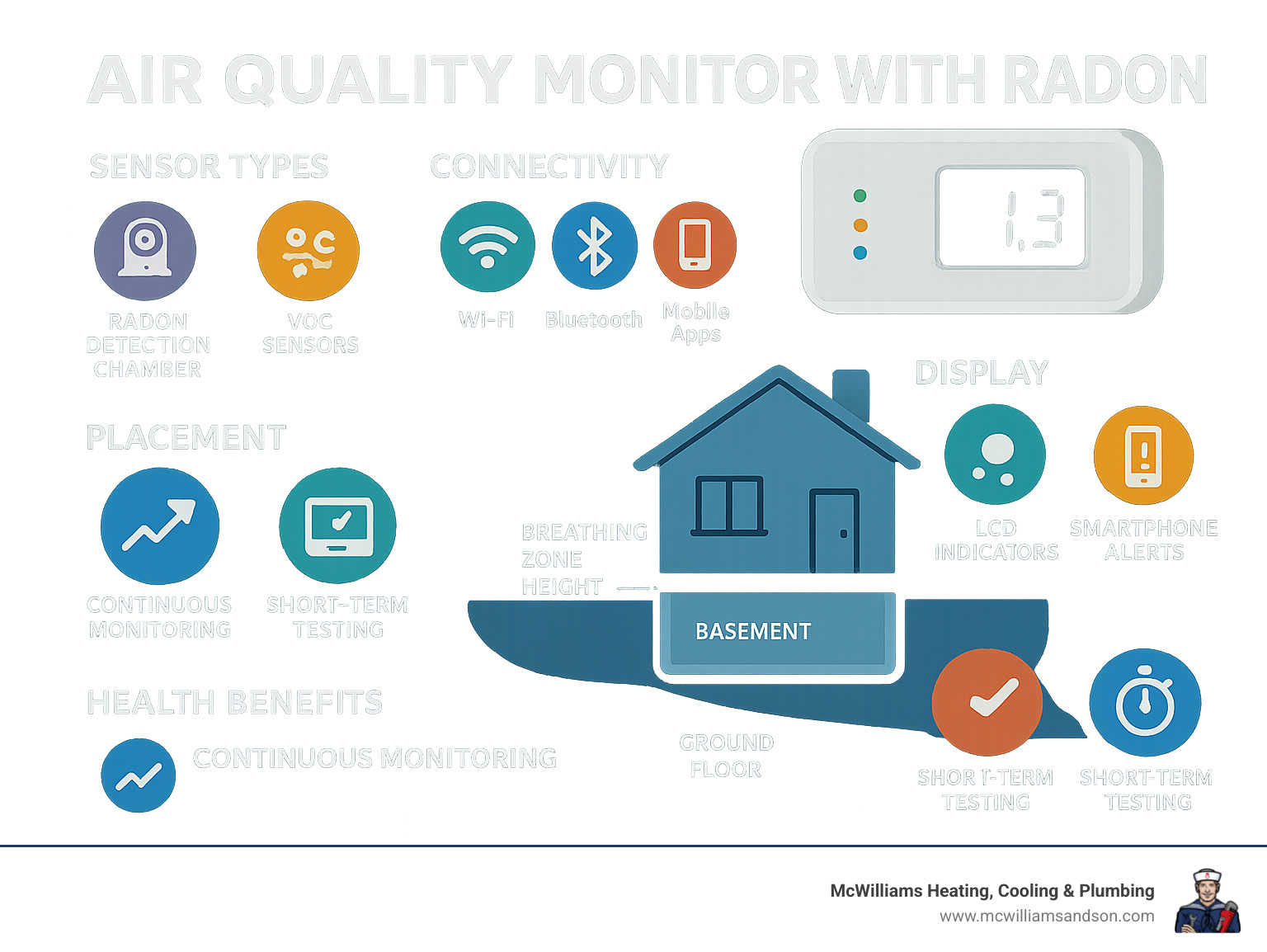
Understanding Radon: The Invisible Threat in Your Home
Picture this: there’s a dangerous intruder in your home that you can’t see, smell, or taste. It doesn’t make noise, leave fingerprints, or trip your security system. Yet this silent threat could be putting your family at serious risk every single day. Meet radon – the invisible enemy that might be lurking in your basement right now.
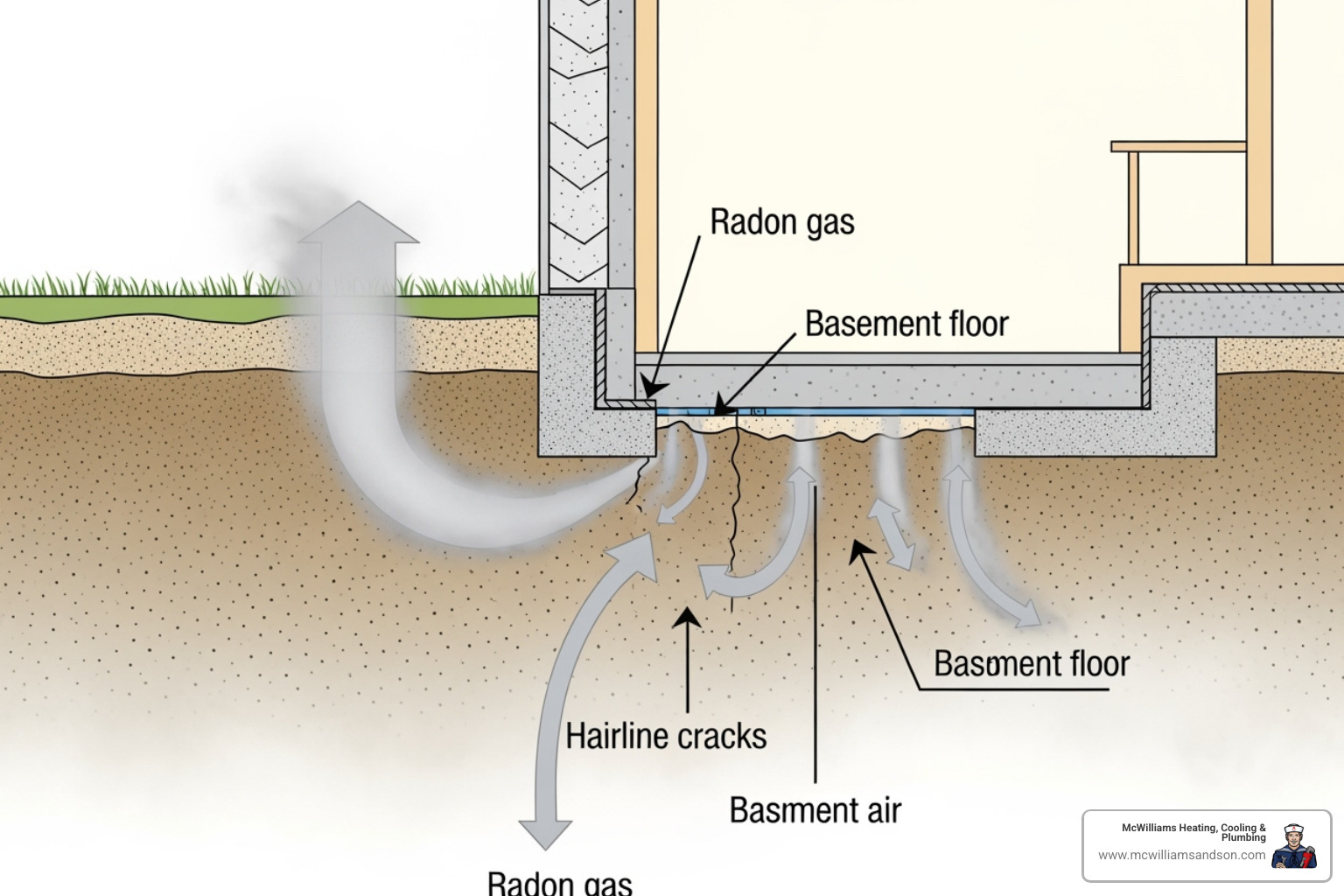
What exactly is radon? It’s a naturally occurring radioactive gas that forms when uranium in soil and rock breaks down over time. Think of it as nature’s unwanted gift that keeps on giving. This gas doesn’t stay put in the ground where it belongs – instead, it travels upward and finds creative ways to sneak into our homes.
Radon is surprisingly good at finding entry points. It seeps through cracks in your foundation like water through a sieve, squeezes through tiny gaps around pipes, and even passes through the pores in concrete. Those floor-wall joints you never think about? Perfect radon highways. Sump pits, utility penetrations, and construction joints all roll out the red carpet for this unwelcome guest.
Here’s the kicker: modern homes actually make the radon problem worse. We’ve gotten really good at building energy-efficient, airtight houses that keep heating and cooling costs down. But this also means radon gets trapped inside like a guest who won’t leave the party. New homes, old homes, condos, and apartments – they’re all vulnerable.
The health risks from long-term radon exposure are nothing to shrug off. Radon is the #1 cause of lung cancer in non-smokers, and it’s the second leading cause overall, right behind cigarette smoking. When you breathe in those radioactive particles, they get stuck in your lung tissue and start causing damage at the cellular level. Over time, this damage can lead to mutations and eventually lung cancer.
The numbers tell a sobering story. Radon exposure kills about 21,000 Americans every year from lung cancer. To put that in perspective, radon causes more deaths than house fires and carbon monoxide poisoning combined – by a factor of six. The scariest part? Symptoms can take decades to show up, making early detection through an air quality monitor with radon detection absolutely critical.
For Texas homeowners, this invisible threat is very real. More than 1 in 20 U.S. homes have dangerous radon levels, and soil conditions vary dramatically across our great state. The only way to know if your specific home has liftd radon levels is to test for it. With over 10 million homes already tested nationwide, it’s clear that homeowners are taking this threat seriously.
The good news is that knowledge is power. Once you understand how radon works and why it’s dangerous, you can take smart steps to protect your family’s health with proper monitoring and mitigation.
How an Air Quality Monitor with Radon Detection Works
Ever wondered how a device can detect something completely invisible? It’s pretty fascinating when you think about it. These smart little gadgets are basically like having a microscopic detective in your home, constantly hunting for radioactive clues.
The magic happens through alpha spectrometry and passive diffusion chambers. Here’s how it works: radon gas naturally drifts into the monitor’s detection chamber, where it does what radioactive elements do best – it decays. When radon breaks down, it releases tiny alpha particles that the sensor can actually count. Think of it like counting raindrops, except these “drops” are invisible radiation particles.
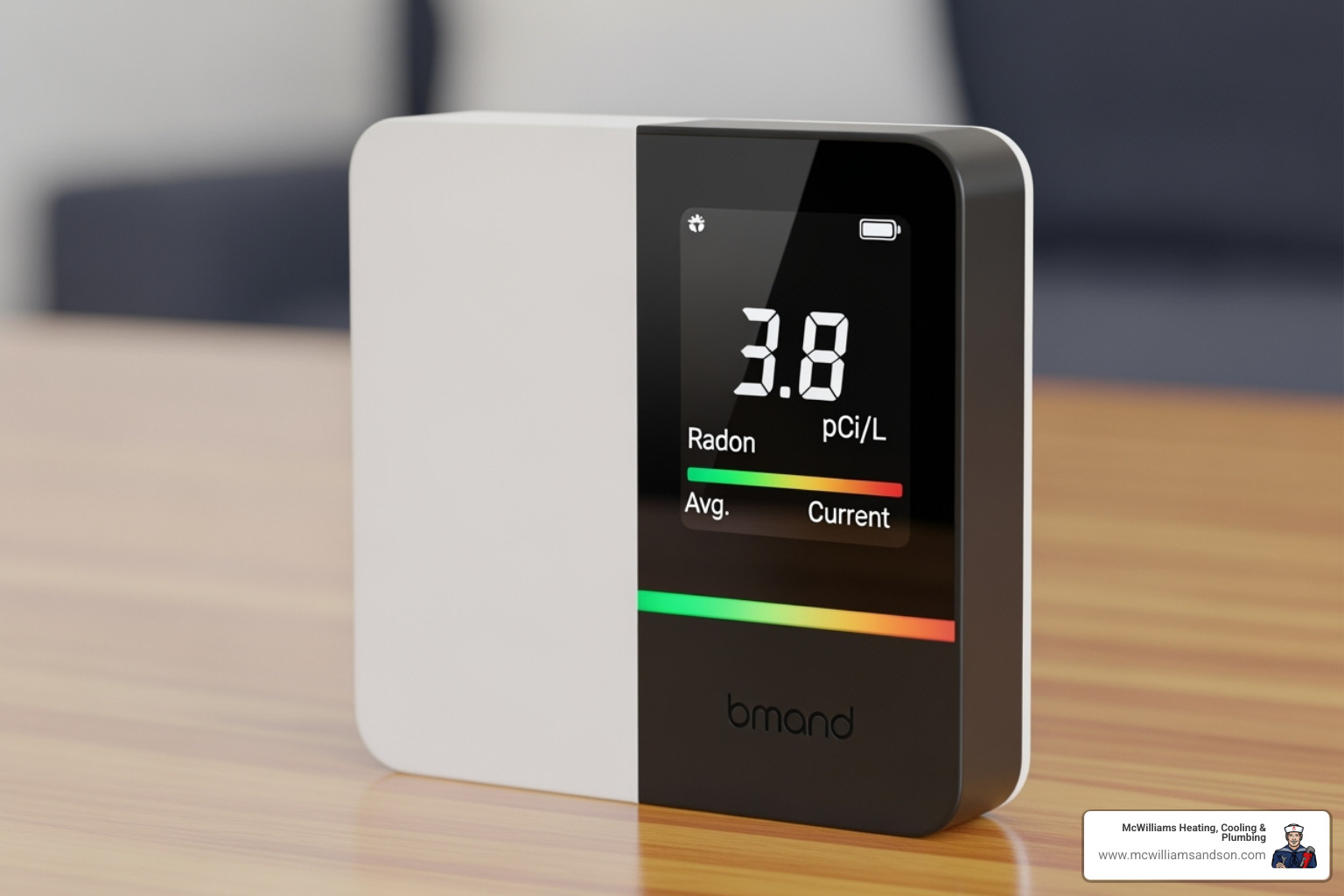
The sensor technology converts these particle counts into readable measurements, typically shown in picocuries per liter (pCi/L). The more particles detected over time, the higher your radon levels. Most air quality monitors with radon detection need about a week for initial calibration – kind of like letting your new device get acquainted with your home’s unique air patterns.
Continuous vs. Short-Term Testing
Now, you might be thinking, “Why not just grab one of those cheap radon test kits from the hardware store?” That’s like checking your blood pressure once and assuming it never changes. Radon levels are moody – they fluctuate constantly based on weather, air pressure, and even whether you’ve got windows open.
Short-term kits give you a snapshot over a few days or weeks. They’re great for initial screening, but they’re missing the bigger picture. It’s like judging a movie by watching just five minutes of it.
Continuous monitoring is where the real value lies. Your air quality monitor with radon detection tracks these ups and downs 24/7, revealing patterns you’d never catch otherwise. Maybe your basement radon spikes during rainy weather, or levels drop when you run your ventilation system. This long-term data shows your actual average exposure, which is what really matters for your health.
The benefits of continuous monitoring are huge. You get real-time alerts when levels jump unexpectedly, so you can open windows or adjust ventilation immediately. Plus, trend analysis helps you understand how your daily routines affect air quality. Seasonal fluctuations become clear – many homes see higher radon in winter when everything’s sealed up tight.
While short-term testing tells you “maybe you have a problem,” continuous monitoring tells you “here’s exactly what’s happening and when.” It’s the difference between guessing and knowing for sure.
Choosing Your Air Quality Monitor with Radon Detection
Shopping for an air quality monitor with radon detection can feel overwhelming with all the technical specs and features to consider. But here’s the thing – the “perfect” monitor is simply the one that fits your family’s specific needs, budget, and lifestyle. Let’s break it down in a way that actually makes sense.
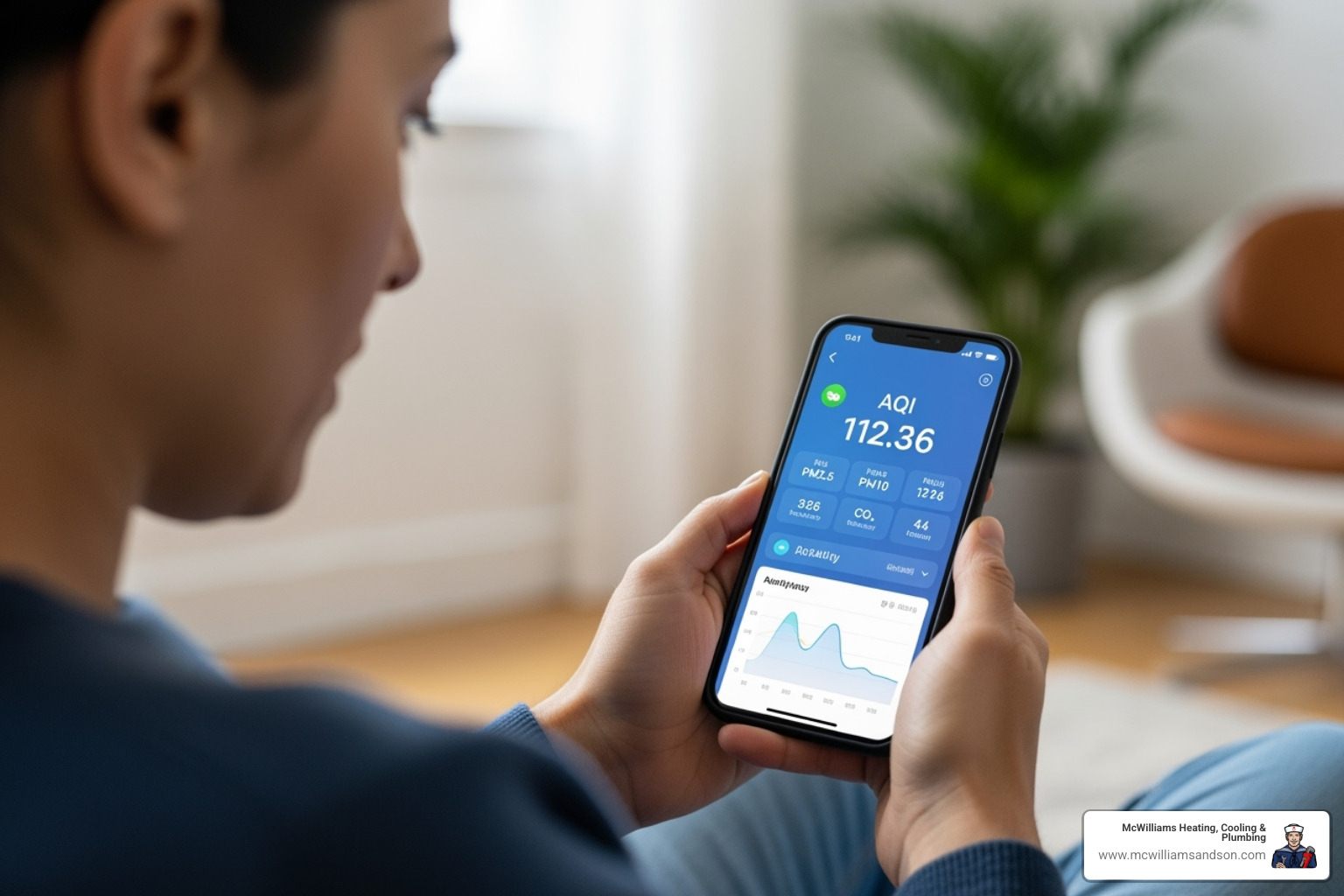
Think of choosing a monitor like picking a car – you wouldn’t buy a pickup truck if you only need to commute to work, right? The same logic applies here. Some families need a comprehensive health dashboard that tracks everything from radon to cooking particles, while others just want to know if their basement has a radon problem.
| Feature | Airthings View Plus | lüft Radon Monitor | Airthings View Radon | Corentium Home | Air-Q Radon |
|---|---|---|---|---|---|
| Sensors | Radon, PM2.5, CO2, VOCs, Temp, Humidity, Pressure | Radon, VOCs, eCO2, Humidity, Temp, Pressure | Radon, Humidity, Temp | Radon only | Radon + up to 10 other components |
| Connectivity | Wi-Fi, Bluetooth, SmartLink | Wi-Fi | Wi-Fi, Bluetooth, SmartLink | None (LCD display) | Wi-Fi, App |
| Power | Battery (up to 2 yrs) or USB | Plug-in (outlet) | Battery (up to 3 yrs) or USB | Battery | Likely plug-in |
| Display | eInk | LED status light | eInk | LCD | LED display |
| Hub Function | Yes (for other Airthings devices) | No | Yes (for other Airthings devices) | No | No |
| Price (approx.) | $299 | $149 | $199 | Not specified | Not specified |
Key Features to Compare
When you’re comparing different monitors, focus on what really matters for your situation. Accuracy and calibration should be your starting point – after all, what’s the point of a monitor that gives you wrong information? Most quality devices need about a week to calibrate properly, and their accuracy improves over time. For example, a good radon sensor might be around 10% accurate after the first week but improve to about 5% accuracy after two months of operation.
Sensor lifespan is something many people forget to ask about, but it’s important for your long-term investment. While manufacturers don’t always advertise this, consumer-grade sensors typically maintain their accuracy for several years, with some users reporting decreased reliability after about four years of use.
The measurement range needs to cover typical residential levels, usually 0-500 pCi/L for radon detection. Most quality monitors handle this range easily, so it’s rarely a deal-breaker.
Here’s where things get interesting – multi-sensor capabilities. A modern air quality monitor with radon often acts like a health detective for your entire home. Beyond radon, these smart devices can track VOCs (those chemical fumes from cleaning products, furniture, and paint that can cause headaches), Particulate Matter (PM2.5) (tiny particles from cooking or outdoor pollution that slip deep into your lungs), CO2 levels that tell you if your home needs better ventilation, humidity that affects mold growth and comfort, temperature for overall comfort, and even air pressure changes that can influence how much radon enters your home.
The display and alerts make all the difference in actually using your monitor. Color-coded lights give you instant peace of mind – green means you’re good, yellow suggests attention, and red means take action now. Smart monitors send alerts directly to your phone, so you’ll know immediately if something changes while you’re at work or traveling.
The Role of Smart Technology in an air quality monitor with radon
Smart technology has transformed these monitors from simple measurement tools into proactive health guardians for your home. Wi-Fi connectivity means your monitor becomes part of your connected home ecosystem, sending data to the cloud and then to your smartphone wherever you are in the world.
The mobile apps that come with these devices are genuinely helpful – not just another app cluttering your phone. They show you real-time data, historical trends, and often provide actionable insights about improving your indoor air. You can set up custom notifications, track long-term patterns, and even get tips specific to your home’s air quality issues.
Smart home integration takes things to the next level. Through IFTTT, Amazon Alexa, or Google Assistant, your air quality monitor with radon can trigger automated responses. Imagine your ventilation fan automatically turning on when CO2 levels climb, or your air purifier ramping up when it detects liftd particulate matter from cooking. These automated responses mean your home actively works to maintain healthy air quality, even when you’re not thinking about it.
Finding the Right air quality monitor with radon for Your Needs
Your home’s layout plays a big role in choosing the right monitor. Basements typically have the highest radon concentrations, making them the most critical location for radon detection. A dedicated air quality monitor with radon here is non-negotiable for most Texas homes.
Living areas benefit from multi-sensor monitors because that’s where your family spends most of their waking hours. You’ll want to track VOCs from furniture and household products, plus particulate matter from cooking and daily activities. Bedrooms are perfect for monitors that track CO2, since high levels can seriously impact sleep quality, plus humidity and temperature for comfort.
Your personal priorities also matter. Budget-conscious families can get excellent radon protection with simpler, focused monitors that do the job without breaking the bank. Tech-savvy households often love the comprehensive data and automation possibilities of advanced multi-sensor devices. Health-focused families typically want the complete picture – tracking everything from radon to cooking particles to understand their total indoor air quality exposure.
The bottom line? Any air quality monitor with radon detection is better than flying blind. Whether you choose a simple radon-only device or a comprehensive smart home health hub, you’re taking a crucial step toward protecting your family’s long-term health.
What to Do When Your Monitor Detects High Radon Levels
Nobody wants to see their air quality monitor with radon flashing red or sending urgent notifications to their phone. But here’s the thing – finding high radon levels isn’t a reason to panic. It’s actually a victory! You’ve caught an invisible threat that many homeowners never detect until it’s too late.
Understanding the Readings
First, let’s decode what those numbers mean. Radon levels are measured in picocuries per liter (pCi/L) here in the U.S. The EPA has established clear action levels to help you understand when to worry. If your home’s radon level hits 4 pCi/L or higher, it’s time to take action. Think of this as your home’s “fever” – it needs attention.
But here’s something many people don’t know: the EPA actually suggests considering mitigation even for levels between 2 pCi/L and 4 pCi/L. Why? Because there’s no truly safe level of radon exposure. It’s like saying there’s no safe amount of radiation – even small amounts can accumulate over time.
Short-Term Solutions
When your monitor shows a spike, you can take some immediate steps while you plan your long-term strategy. Increasing ventilation is your first line of defense. Open those windows wide, especially in basements and ground floors where radon typically concentrates. Get some fans running to push that stagnant air out and pull fresh air in.
If your readings are particularly high, consider temporarily limiting time in the most affected areas. This usually means spending less time in basements or lower levels until you can implement a permanent solution. It’s not a forever fix, but it reduces your family’s exposure while you’re working on the real solution.
Long-Term Mitigation
For persistent high levels, you’ll need professional help. While your continuous air quality monitor with radon gives you excellent ongoing data, many professionals recommend getting a confirmatory test from a certified radon specialist before investing in a full mitigation system. This adds an extra layer of confidence in your decision-making.
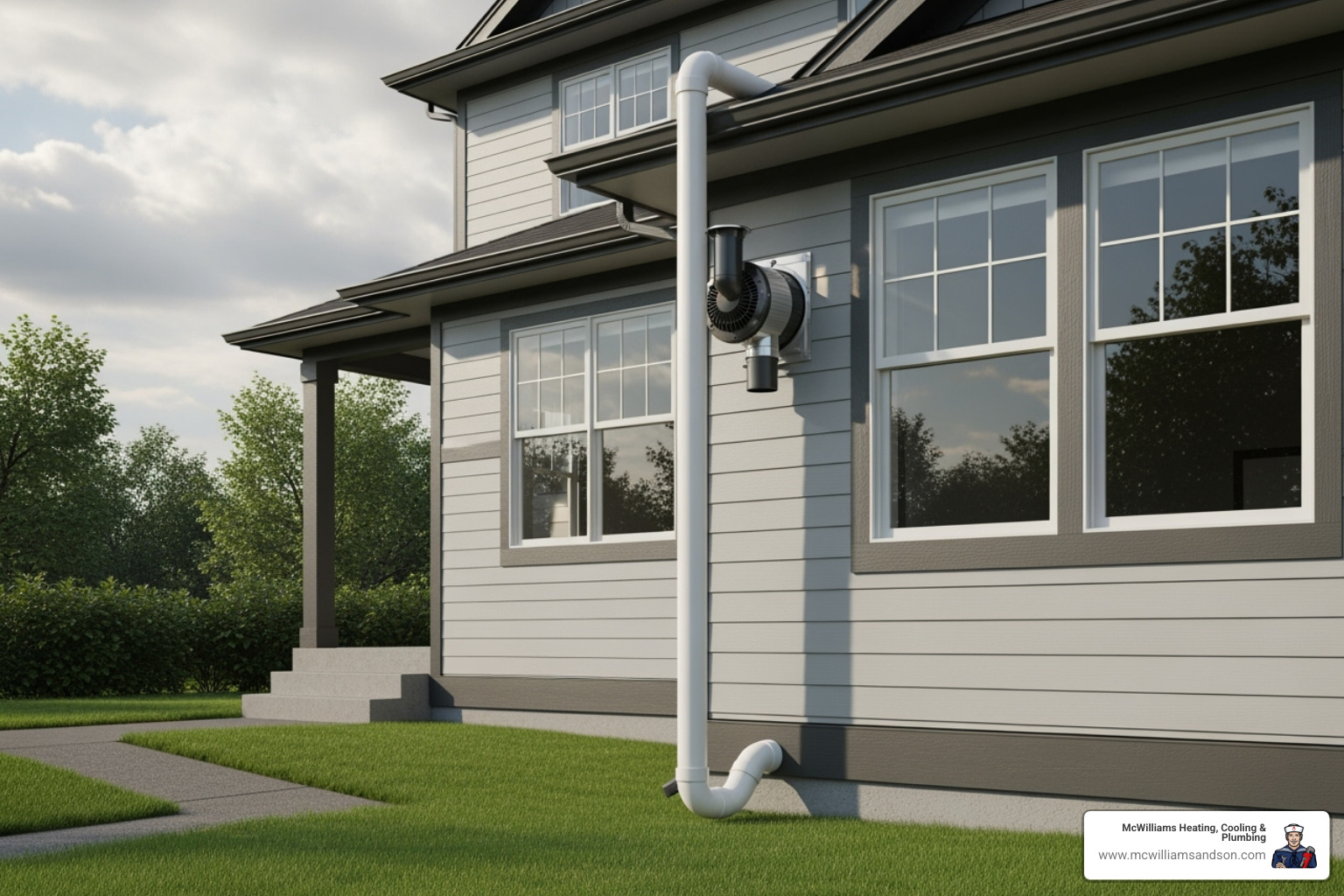
The gold standard for radon mitigation is sub-slab depressurization. It sounds complicated, but it’s actually quite neat. A professional installs a pipe system under your foundation with a fan that continuously draws radon gas from beneath your home and vents it safely outside above your roofline. Think of it as giving your house a way to exhale the dangerous gas before it can build up indoors.
Along with the ventilation system, professionals will also focus on sealing cracks and openings in your foundation, floors, and walls. These entry points are like tiny doorways for radon, and closing them helps prevent the gas from entering in the first place.
The beauty of having an air quality monitor with radon is that you can watch the mitigation system work in real-time. You’ll see those numbers drop and stay low, giving you peace of mind that your investment is protecting your family’s health for years to come.
Frequently Asked Questions about Radon Monitors
We get a lot of questions from homeowners who are just starting their journey with radon monitoring. It’s completely natural to feel a bit overwhelmed when you’re dealing with something invisible that could affect your family’s health. Let’s tackle the most common concerns we hear.
Where is the best place to put a radon monitor?
Think of your air quality monitor with radon as needing a “sweet spot” in your home to do its job properly. The key is placing it at breathing zone height – that’s about 3 to 6 feet off the floor. This might sound technical, but it’s really just common sense. You want the device sampling the same air that you and your family are actually breathing every day.
Your basement or ground floor rooms are usually your best bet for placement. Since radon seeps up from the soil, these areas closest to the ground typically have the highest concentrations. It’s like testing the water where the spring bubbles up, rather than downstream where it’s been diluted.
Now, here’s where location gets tricky. You’ll want to avoid placing your monitor near drafts, open windows, or vents – these can create artificial air currents that throw off your readings. Same goes for direct sunlight or heat sources, which can mess with the temperature and humidity sensors that many monitors include.
If you have a larger home, you might consider getting monitors for different living spaces, including bedrooms. This gives you a complete picture rather than just a snapshot from one area.
How long does it take to get an accurate radon reading?
This is probably the question we hear most often, and honestly, it requires a bit of patience. Your air quality monitor with radon will start showing numbers within minutes of being plugged in – that’s the exciting part. But here’s the thing: those first readings aren’t quite ready for prime time yet.
Most monitors need about 7 days for initial calibration. Think of it like a new employee learning the ropes – they can start working right away, but they get much better at their job after that first week. During this calibration period, the sensors are stabilizing and learning the specific characteristics of your home’s environment.
But here’s where it gets really interesting: the longer you monitor, the more accurate your readings become. Radon levels aren’t static – they dance around based on weather changes, soil conditions, how much you’re ventilating your home, and even air pressure changes. A reading from just one day is like judging someone’s personality from a single conversation.
Some monitors can achieve accuracy within about 5% after two months of continuous monitoring. That long-term average is what really matters for understanding your family’s exposure risk.
Can I rely solely on a consumer-grade monitor?
This is a great question, and the answer is both yes and no – let me explain why. Your consumer-grade air quality monitor with radon is absolutely fantastic for what it’s designed to do. It’s your 24/7 watchdog, giving you continuous monitoring, real-time alerts, and incredibly valuable trend data. For day-to-day peace of mind and understanding how your home’s air quality changes over time, these devices are genuinely reliable.
The beauty of continuous monitoring is that it gives you the full story, not just a snapshot. You’ll see how opening windows affects your levels, how weather patterns influence readings, and whether that new ventilation system is actually working.
However, if your monitor consistently shows high radon levels – especially readings above that EPA action level of 4 pCi/L – we typically recommend getting a confirmatory test from a certified radon professional before investing in expensive mitigation work. It’s not that we don’t trust your monitor; it’s just smart to get a second opinion before making a major investment.
Think of it this way: your consumer monitor is like having a really good thermometer at home. It tells you when you might have a fever and helps you track your temperature over time. But if you’re consistently running a high fever, you’d probably want to see a doctor for a professional diagnosis before starting treatment, right?
Your air quality monitor with radon is your early warning system and daily health tracker rolled into one. A professional test is just the final confirmation step when big decisions need to be made.
Conclusion
The air inside your home tells a story – and it’s time you started listening. An air quality monitor with radon detection transforms that invisible narrative into clear, actionable data that puts you back in control of your family’s health.
Think about it: every breath your loved ones take could contain radon particles silently damaging their lungs, or VOCs from that new furniture, or PM2.5 particles from last night’s cooking. Without monitoring, you’re essentially flying blind in your own home.
But here’s the empowering part – you don’t have to. Modern air quality monitor with radon technology makes it incredibly simple to stay informed. These smart devices work around the clock, sending alerts to your phone and tracking long-term trends that help you make informed decisions about your indoor environment.
Whether you choose a comprehensive multi-sensor monitor or a dedicated radon detector, you’re making a proactive investment in something priceless: your family’s well-being. And when those monitors do detect concerning levels, you’ll know exactly what steps to take – from immediate ventilation improvements to professional mitigation systems.
At McWilliams Heating, Cooling & Plumbing, we’ve been helping Texas families breathe easier for over 50 years. We understand that a healthy home goes beyond just heating and cooling – it’s about creating a safe environment where your family can thrive. Our team is available seven days a week across the Greater Texas Area, including Katy, Nacogdoches, Lufkin, and Livingston, because air quality concerns don’t wait for business hours.
Ready to take control of your indoor air quality? We offer free in-home estimates and flexible financing options to make healthy air accessible for every family.