

The Invisible Impact on Your Business
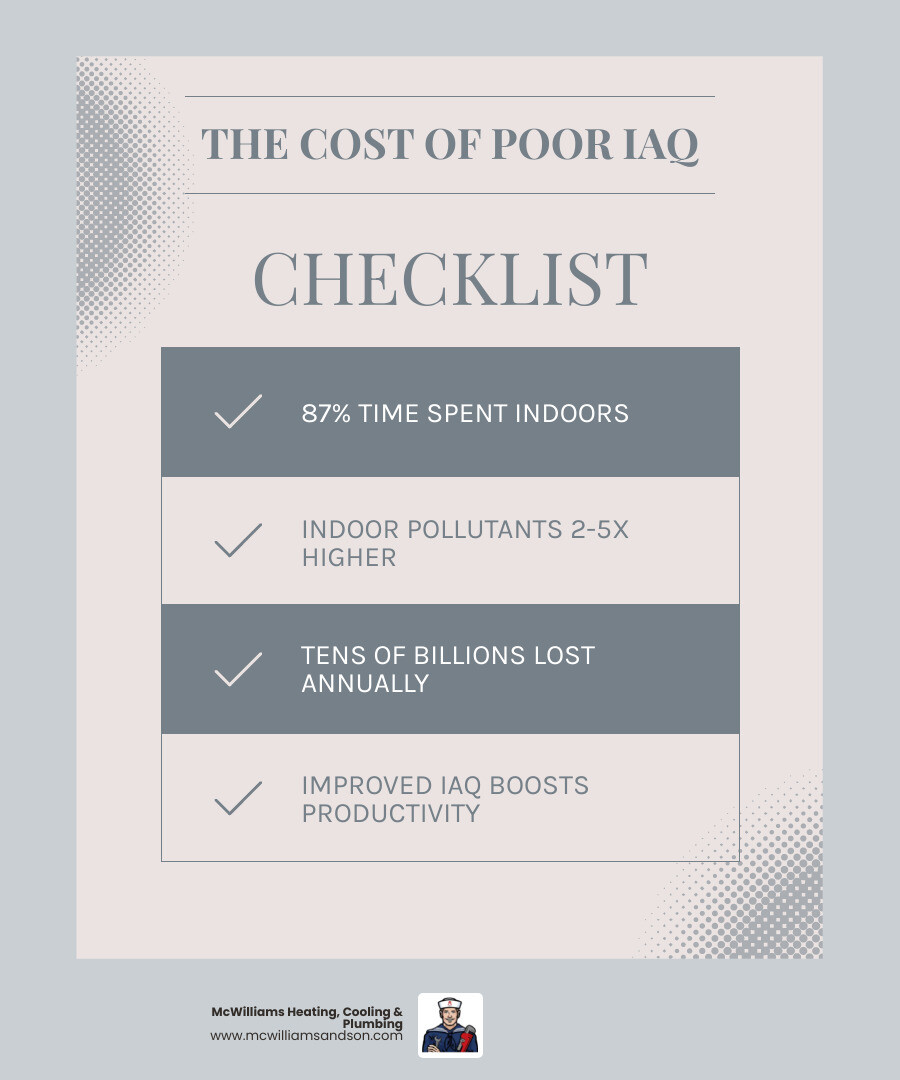
Commercial indoor air quality (IAQ) affects every person who walks through your doors, yet it’s often overlooked. Poor IAQ can lead to health issues, decreased productivity, and increased absenteeism. The U.S. Environmental Protection Agency reports that indoor air can be 2-5 times more polluted than outdoor air and that Americans spend about 90% of their time indoors. This exposure can lead to symptoms like headaches, fatigue, and respiratory irritation.
For business owners, the financial implications are significant. Poor air quality can cost businesses billions annually in lost productivity and medical expenses. Conversely, improving your IAQ is a direct investment in your employees’ health and your company’s bottom line.
Identifying the Problem: Sources and Signs of Poor IAQ
Understanding the sources and recognizing the signs of poor IAQ is the first step toward creating a healthier indoor environment.
Common Pollutants in Commercial Spaces
Commercial buildings can be a source of numerous airborne contaminants:
- Volatile Organic Compounds (VOCs): Gases from paints, cleaning supplies, new furniture, and office equipment.
- Carbon Monoxide (CO): An odorless, toxic gas from malfunctioning heating equipment or vehicle exhaust.
- Mold and Bacteria: Biological contaminants that thrive in damp areas, often caused by leaks or high humidity.
- Particulate Matter (PM): Dust, pollen, and other tiny particles from both indoor and outdoor sources.
- Asbestos and Radon: Hazardous materials found in older buildings that can pose serious long-term health risks.
Telltale Signs of an IAQ Issue
Your building might be signaling an air quality problem. Look for these red flags:
- Persistent Odors: Musty or chemical smells that don’t dissipate.
- Visible Contaminants: Mold growth on walls, ceilings, or around vents.
- High Humidity: A consistently damp or sticky feeling in the air, or condensation on windows.
- Employee Health Complaints: An increase in headaches, fatigue, allergies, or respiratory irritation among staff, often linked to time spent in the building. This is sometimes referred to as “Sick Building Syndrome.”
The High Cost of Neglecting Commercial Indoor Air Quality
Ignoring poor IAQ has direct consequences for your business:
- Decreased Productivity: Employees struggling with discomfort and health symptoms are less focused and efficient.
- Increased Absenteeism: Poor air quality is a leading contributor to sick days.
- Long-Term Health Risks: Chronic exposure can lead to serious conditions like asthma, allergies, and other respiratory illnesses.
- Financial Impact: The combination of lost productivity, higher healthcare costs, and potential liability can significantly affect your bottom line.
The Crucial Role of HVAC in Commercial Indoor Air Quality
Your building’s HVAC system is the heart and lungs of its indoor environment. It’s not just for temperature control; it’s your primary tool for managing air quality. A well-maintained system circulates, filters, and freshens the air, while a neglected one can become a source of contamination.
Ventilation: The Lungs of Your Building
Proper ventilation is essential for removing stale, polluted indoor air and replacing it with fresh, clean outdoor air. This process, known as air exchange, dilutes the concentration of indoor pollutants like VOCs and CO2. Modern, energy-efficient buildings are often tightly sealed, making mechanical ventilation from your HVAC system critical. Key components include:
- Fresh Air Intake: Pulls clean air from outside.
- Exhaust Vents: Removes contaminants from specific areas like kitchens and restrooms.
- Energy Recovery Ventilators (ERVs): These systems bring in fresh air while minimizing energy loss by pre-heating or pre-cooling it with the outgoing air.
Filtration: Trapping Airborne Contaminants
While ventilation introduces fresh air, filtration cleans the air that’s already inside. Filters are your first line of defense against particulate matter, allergens, and other airborne contaminants.
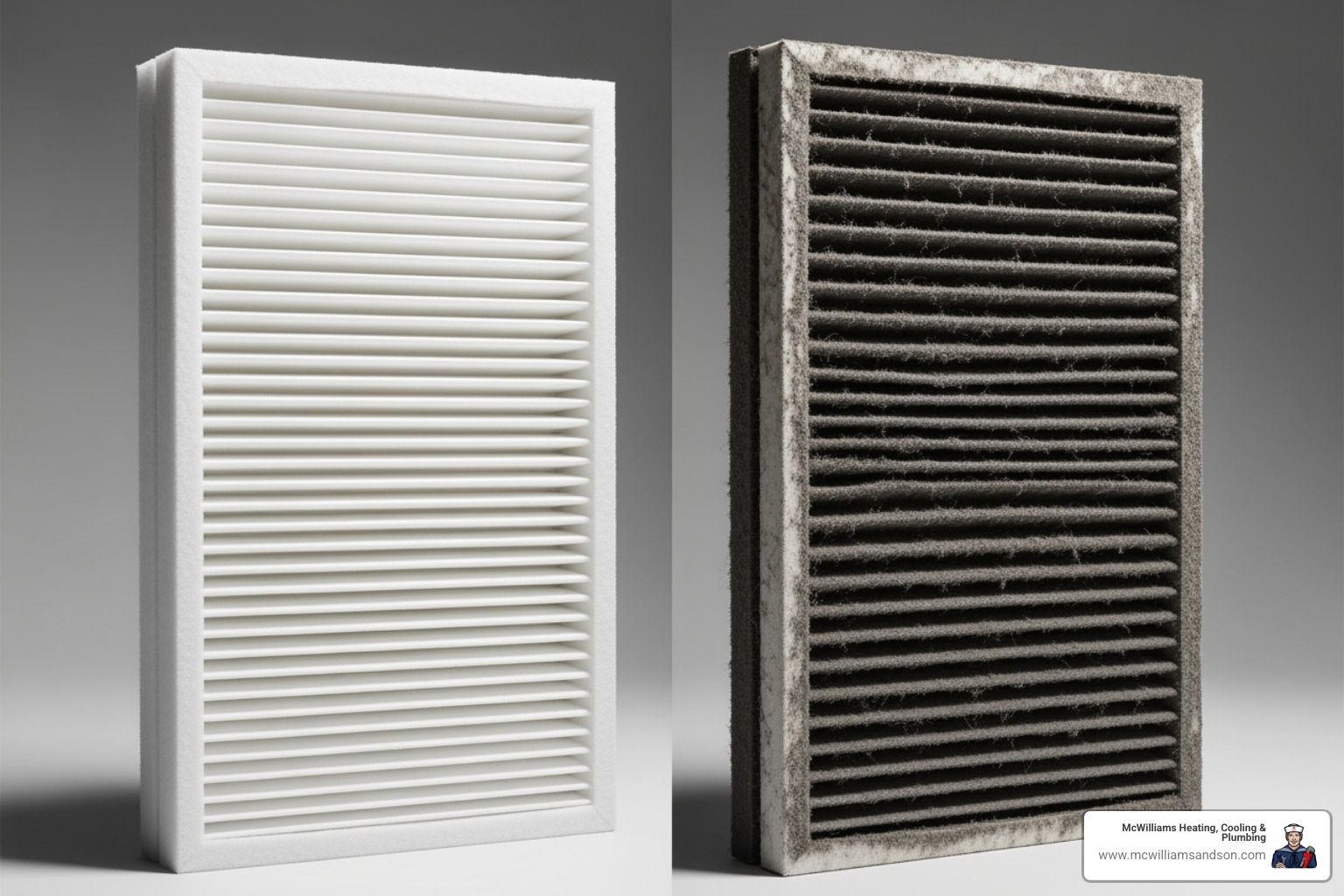
- MERV Ratings: The Minimum Efficiency Reporting Value (MERV) rates a filter’s ability to capture particles. A higher MERV rating means finer filtration. We can help you find the right balance for your system.
- HEPA Filters: The gold standard, High-Efficiency Particulate Air (HEPA) filters capture at least 99.97% of airborne particles sized 0.3 microns, making them ideal for sensitive environments.
- Activated Carbon Filters: These are designed to absorb odors, gases, and VOCs, which standard particulate filters can’t trap.
Essential HVAC Maintenance for Optimal IAQ
An HVAC system is only effective if it’s properly maintained. Neglect leads to dirty components that can harbor mold and bacteria, circulating them throughout your building.
| Maintenance Task | Recommended Frequency | IAQ Impact |
|---|---|---|
| Filter Changes | Monthly to Quarterly | Prevents clogs and ensures effective particle removal. |
| Duct Inspection | Annually | Identifies and seals leaks that can pull in dust and contaminants. |
| Coil Cleaning | Bi-annually | Removes mold and bacteria buildup on evaporator and condenser coils. |
Regular, professional tune-ups ensure your system runs efficiently and provides the clean, healthy air your employees and customers deserve.
A Proactive Approach: Best Practices for Improving IAQ
Improving your building’s air quality is an ongoing process that combines smart management, modern technology, and occupant cooperation.
Strategies for Building Management
- Source Control: The most effective strategy is to eliminate or reduce pollution sources. Choose low-VOC (Volatile Organic Compound) paints, furnishings, and cleaning supplies.
- Proactive Maintenance: Don’t wait for problems to arise. A scheduled maintenance plan for your HVAC system is crucial for preventing issues like mold growth and ensuring proper ventilation.
- Humidity Control: Maintain indoor humidity levels between 30-50%. This helps prevent the growth of mold and other biological contaminants. Commercial dehumidifiers can be integrated into your HVAC system.
- IAQ Testing: Regular air quality testing can identify hidden problems and provide a baseline for improvement. Consider testing after renovations or if employees report symptoms.
Technologies That Make a Difference
Beyond standard HVAC functions, several technologies can significantly improve your IAQ:
- UV Air Purifiers: Installed within your ductwork, UV-C light systems neutralize airborne viruses, bacteria, and mold spores as they pass through.
- Energy Recovery Ventilators (ERVs): These systems provide a constant supply of fresh, pre-conditioned air, improving ventilation without a major spike in energy costs.
- Advanced Filtration: Upgrading to higher-MERV or specialized filters (like activated carbon) can capture a wider range of pollutants.
Fostering a Collaborative Environment
Building occupants also play a role in maintaining good air quality. Encourage your team to:
- Keep air vents and grilles clear of obstructions.
- Report any water leaks or musty odors immediately.
- Dispose of waste properly to prevent odors and pests.
- Follow company policies regarding smoking and the use of personal air fresheners or scented products.
Navigating IAQ Regulations and Standards
While there isn’t a single, comprehensive federal law for indoor air quality in most commercial buildings, several regulations and standards provide a framework for ensuring a safe environment.
Understanding Regulatory Requirements
The primary federal oversight comes from the Occupational Safety and Health Administration (OSHA). While OSHA doesn’t have specific IAQ standards, employers are bound by the “General Duty Clause,” which requires them to provide a workplace “free from recognized hazards that are causing or are likely to cause death or serious physical harm.” This can include significant air quality issues. Additionally, OSHA has specific standards for certain airborne contaminants like asbestos and formaldehyde.
State and Local IAQ Guidelines
Many states and local municipalities have their own regulations regarding indoor air quality, particularly for public buildings, schools, and healthcare facilities. These can be more stringent than federal guidelines. It’s important to be aware of the specific requirements in your area to ensure compliance and protect the health of your building’s occupants.
Professional organizations like the American Society of Heating, Refrigerating and Air-Conditioning Engineers (ASHRAE) also publish widely accepted standards and best practices for ventilation and air quality that are often referenced in building codes.
Frequently Asked Questions about Commercial IAQ
How often should we test our building’s air quality?
It’s a good practice to have your commercial property’s air quality tested annually as part of a proactive maintenance plan. You should also consider testing if you’ve recently completed renovations, experienced water damage, or if employees are consistently reporting symptoms like headaches, allergies, or respiratory irritation.
What’s the difference between air filtration and air purification?
Filtration involves physically trapping airborne particles. Think of it like a screen that catches dust, pollen, and dander. The effectiveness is measured by the MERV rating. Air purification, on the other hand, uses technology like UV-C light or photocatalytic oxidation to actively neutralize or destroy microscopic pollutants like viruses, bacteria, and VOCs. Many modern IAQ solutions use a combination of both methods.
Can improving IAQ really boost employee productivity?
Absolutely. Studies from institutions like Harvard University and the U.S. Environmental Protection Agency (EPA) have shown a direct link between better indoor air quality and improved cognitive function, reduced absenteeism, and higher productivity. When employees aren’t dealing with headaches, fatigue, or allergy symptoms caused by poor air, they can focus better and feel more energized throughout the day.
Conclusion: Investing in a Healthier, More Productive Workspace

Your building’s indoor air quality is a critical, yet often invisible, factor in the health of your employees and the success of your business. From preventing “Sick Building Syndrome” to boosting daily productivity, the benefits of clean air are undeniable. A proactive approach that combines proper ventilation, high-efficiency filtration, and regular HVAC maintenance is the most effective way to ensure a safe and comfortable environment for everyone.
At McWilliams Heating, Cooling & Plumbing, we have over 50 years of experience helping businesses across Texas optimize their indoor air quality. Our certified technicians can assess your current system, identify potential issues, and recommend custom solutions, from advanced air purification systems to comprehensive maintenance plans.
Don’t wait for air quality problems to impact your bottom line. Contact McWilliams today for a free estimate and breathe easier knowing your workspace is in expert hands.
Identifying the Problem: Sources and Signs of Poor IAQ
When we talk about commercial indoor air quality (IAQ), we mean the air inside your building as it impacts occupant health and comfort. If that air is polluted, productivity and wellbeing suffer.
Common Pollutants in Commercial Spaces
- Volatile Organic Compounds (VOCs): Off-gassing from paints, new furniture/carpets, cleaning products, and office equipment.
- Carbon Monoxide (CO): From malfunctioning combustion equipment or nearby vehicle exhaust.
- Mold and Bacteria: Thrive in damp, poorly ventilated areas; leaks and high humidity are common drivers.
- Particulate Matter (PM): Dust, pollen, and other fine particles from indoor and outdoor sources.
- Asbestos and Radon: Legacy building hazards; disturbance or soil gas intrusion can lift risks.
- Pesticides and Secondhand Smoke: Can linger and irritate airways if not well controlled.
Telltale Signs of an IAQ Issue
- Persistent odors (musty or chemical) that do not dissipate
- Visible mold growth on walls, ceilings, or near vents
- High humidity (often felt as clammy air or seen as window condensation)
- Comfort complaints (hot/cold spots, drafty or stuffy areas)
- Clusters of headaches, fatigue, allergy-like symptoms that improve away from the building
The High Cost of Neglecting Commercial Indoor Air Quality
- Decreased productivity and cognitive performance
- Increased absenteeism and higher healthcare utilization
- Long-term risks (e.g., asthma exacerbation) and potential liability that can impact your bottom line
The Crucial Role of HVAC in Commercial Indoor Air Quality
Your HVAC system is central to IAQ. Designed and maintained properly, it dilutes, filters, and conditions indoor air to keep occupants healthy and comfortable.
Ventilation: The Lungs of Your Building
- Fresh Air Intake: Tight, energy-efficient buildings rely on mechanical ventilation to dilute indoor pollutants and control CO2.
- Air Exchange Rates: Adequate outdoor air per industry guidance (e.g., ASHRAE/REHVA) helps reduce odors and contaminants.
- Exhaust Ventilation: Targeted removal in restrooms, kitchens, and chemical-use areas prevents building-wide spread.
- Energy Recovery Ventilators (ERVs): Bring in fresh air with reduced energy penalty by transferring heat/cool from exhaust air.
Filtration: Trapping Airborne Contaminants
- MERV Ratings: Higher MERV filters capture finer particles; select the highest rating your system can handle without harming airflow.
- HEPA Filters: Capture at least 99.97% of 0.3-micron particles for critical or sensitive spaces.
- Activated Carbon: Adsorbs odors and gases such as VOCs that particle filters miss.
Essential HVAC Maintenance for Optimal IAQ
| Maintenance Task | Recommended Frequency | IAQ Impact |
|---|---|---|
| Filter Changes | Monthly to Quarterly | Maintains airflow and particle capture efficiency. |
| Duct Inspection | Annually | Finds leaks/contamination that degrade air quality. |
| Coil Cleaning | Bi-annually | Removes biofilm and debris that can harbor microbes. |
Consistent professional tune-ups keep systems efficient and air clean.
Identifying the Problem: Sources and Signs of Poor IAQ
Quick recap of what drives poor commercial indoor air quality and how to spot it.
Common Pollutants
- VOCs from finishes, furniture, and cleaners
- CO from combustion sources or nearby traffic
- Mold/bacteria in damp areas
- Particulate matter (dust, pollen, fine particles)
- Asbestos/radon risks in older buildings or from soil gas
- Pesticides and residual smoke
Signs to Watch
- Lingering musty/chemical odors
- Visible mold or frequent condensation
- Uneven temperatures, stuffy rooms, or weak airflow
- Staff reports of headaches, fatigue, or irritation that ease off-site
Addressing these early prevents bigger health, comfort, and cost impacts.
The Crucial Role of HVAC in Commercial Indoor Air Quality
A healthy building depends on HVAC for ventilation, filtration, and moisture control. Done right, it continuously dilutes pollutants and captures particles.
Ventilation Essentials
- Ensure sufficient outdoor air per ASHRAE/REHVA guidance to control CO2 and odors.
- Use dedicated exhaust in restrooms, kitchens, and areas with chemicals.
- Consider ERVs to improve fresh air without major energy penalties.
Filtration Fundamentals
- Choose the highest MERV filter your system can support while maintaining proper airflow.
- Use HEPA where critical particle control is needed.
- Add activated carbon when odors or VOCs are a concern.
Maintenance That Protects IAQ
| Maintenance Task | Recommended Frequency | IAQ Benefit |
|---|---|---|
| Filter Replacement | Monthly–Quarterly | Reliable capture of particles and allergens |
| Duct Check/Clean | Annually (as needed) | Reduces dust ingress and microbial growth |
| Coil Cleaning | 1–2x per year | Limits biofilm and maintains dehumidification |
Regular service keeps systems efficient and indoor air cleaner for occupants.