

Understanding Gas Generators: Your Emergency Power Solution
A gas generator is a device that converts gasoline into electricity. It uses an internal combustion engine connected to an alternator to power essential appliances—from refrigerators and lights to medical equipment—when the power goes out.
What is a gas generator?
- A power source that burns gasoline to create electricity.
- Uses an engine to drive an alternator, generating power.
- Provides backup electricity during outages or for remote locations.
- Available in various sizes, from small portable units to large whole-home systems.
Common applications:
- Emergency home backup power
- Powering tools at construction sites
- Recreational activities like camping and tailgating
- Running essential appliances during storms
As power outages become more frequent, many homeowners are turning to gas generators for a reliable backup power solution. Whether you’re facing a storm-related outage in Texas or simply want peace of mind, understanding how these machines work is the first step toward making an informed decision.
How a Gas Generator Creates Power
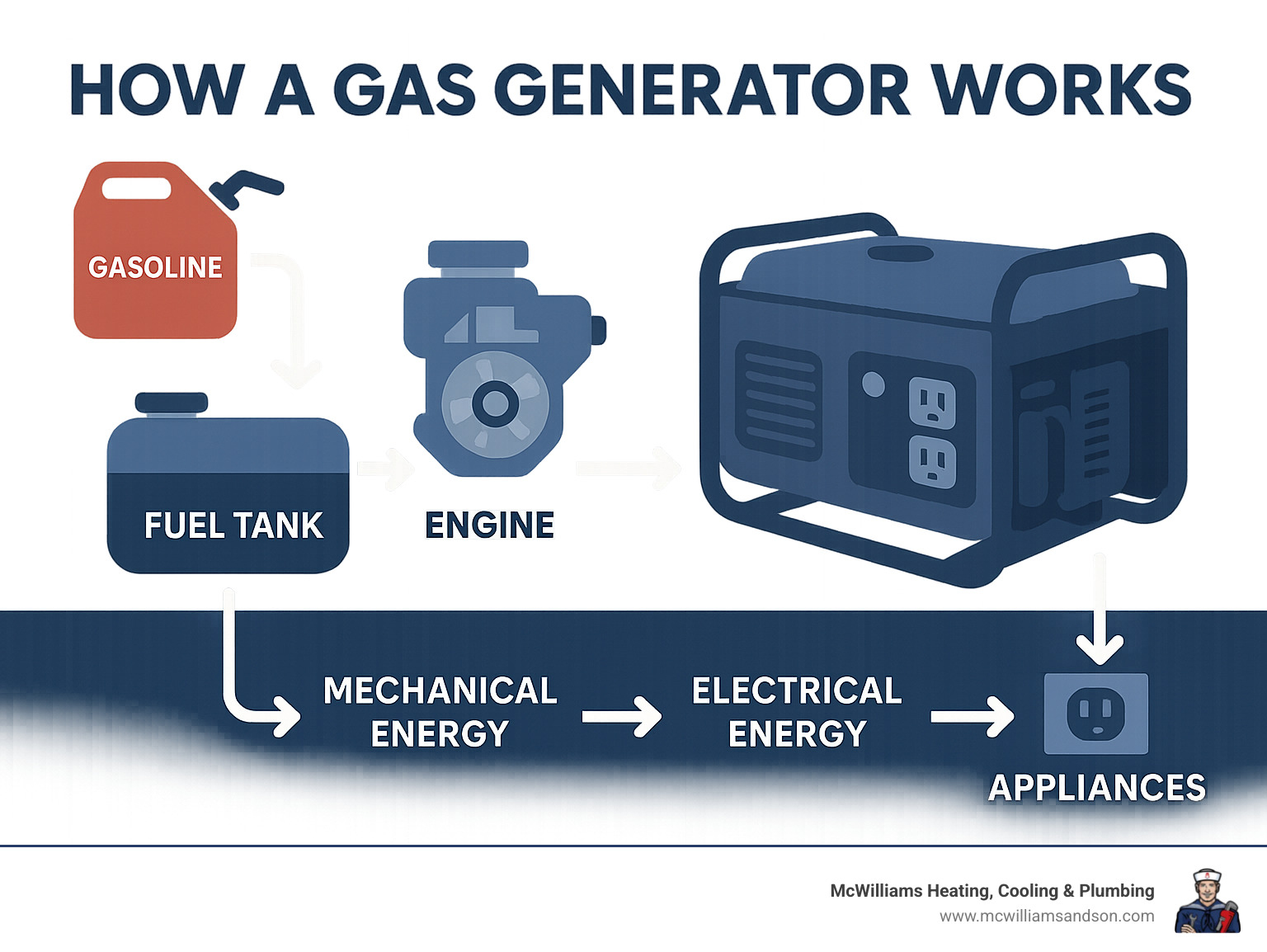
A gas generator transforms gasoline into electricity to keep your home running during a power outage. The process begins with an internal combustion engine, similar to one in a car. The engine burns gasoline, creating controlled explosions that move pistons. This motion turns a crankshaft, converting the fuel’s chemical energy into mechanical energy.
This rotating motion drives an alternator, which is the core of the power generation process. The alternator uses electromagnetic induction to convert the mechanical energy into electrical energy. A fuel system supplies gasoline to the engine, and an exhaust system safely vents combustion gases. This basic operation cycle efficiently changes fuel into usable power for your home.
The Core Components Explained
Every gas generator relies on six key components working in unison:
- Engine: The powerhouse that converts fuel (gasoline, propane, or natural gas) into mechanical motion.
- Fuel Tank: Determines the generator’s run time. Larger tanks offer longer operation but add weight.
- Starter: The mechanism that starts the engine, which can be a pull cord, an electric push-button, or a remote start.
- Alternator: Converts the engine’s mechanical energy into electrical energy. Its quality affects the power output.
- Power Outlets: Allow you to connect appliances to the generator. Different outlets are available for various voltage needs.
- Control Panel & Frame: The control panel includes gauges and circuit breakers for monitoring and protection. The frame provides structure and portability features like wheels and handles.
Conventional vs. Inverter Technology
Understanding the difference between conventional and inverter gas generators is key to choosing the right one.
Conventional generator output is produced directly from the alternator, with the engine running at a constant high speed. This approach is straightforward but can result in less stable power, higher fuel consumption, and more noise, regardless of the electrical load.
Inverter generators use a more advanced inverter generator process. They convert the initial AC power into DC power and then invert it back into a very stable, high-quality AC current. This cleaner power is essential for protecting sensitive electronics like laptops, smartphones, and modern appliances from damage.
Key benefits of inverter technology include:
- Noise Level: Inverter generators are significantly quieter because they adjust engine speed to match the power demand.
- Fuel Efficiency: By running at lower speeds for lighter loads, they consume less fuel, extending run times.
Key Types of Gas Generators and Their Applications
When shopping for a gas generator, you’ll find different types designed for specific needs, from emergency backup to recreational or job site use. Understanding the main categories will help you choose the right one.
Portable Gas Generators

Portable gas generators are designed for mobility, often equipped with wheels and handles for easy transport. They typically run on gasoline or propane and come in a wide range of power outputs.
- Emergency home backup: A portable generator can power essential appliances like refrigerators, freezers, and lights during an outage, providing a reliable backup without permanent installation.
- Recreational activities: They are ideal for camping, tailgating, and RVing, bringing modern conveniences to off-grid locations.
- Construction sites and job locations: These generators provide necessary power for tools and equipment in areas without access to the electrical grid.
The flexibility of portable generators makes them a popular choice, but they require safe operation and regular maintenance.
Standby Gas Generators
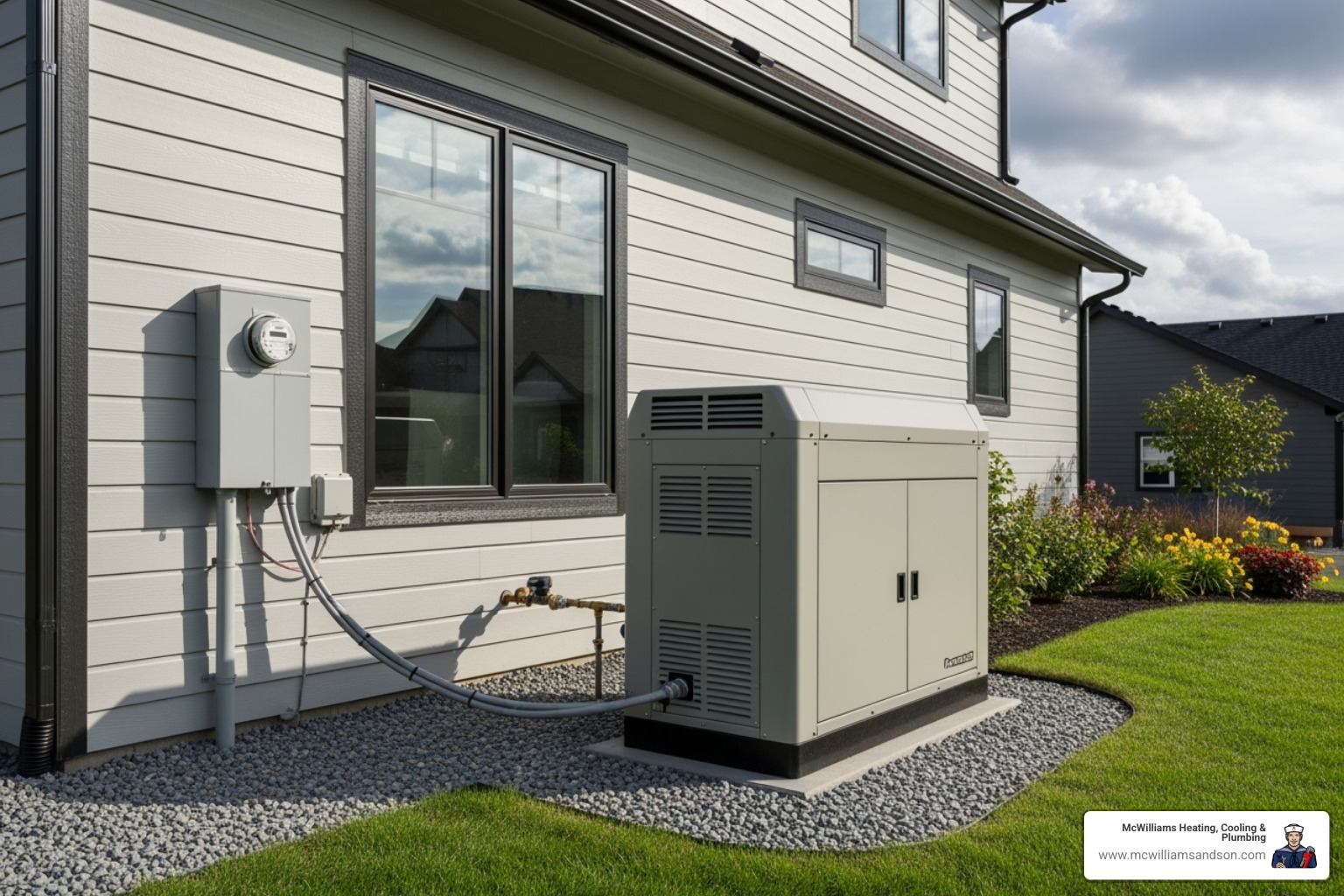
Standby gas generators are permanent solutions that provide seamless, automatic backup power. They are installed outside your home and connected directly to your electrical system.
An automatic transfer switch monitors your home’s power supply. When it detects an outage, it automatically starts the generator and switches your home to backup power. When utility power is restored, it reverses the process.
- Whole-home power: A properly sized standby generator can power your entire house, including lights, appliances, and HVAC systems. This is especially important in Texas, where extreme temperatures make losing air conditioning or heating a significant problem.
- Permanent installation: These units connect to your home’s natural gas line or a large propane tank, providing extended run times without the need for refueling with gasoline cans.
- Powering HVAC systems: A key advantage is the ability to keep your heating and cooling systems running, ensuring your family’s comfort and safety during any outage. For those considering this solution, you can learn more about Generac Generators in Kilgore, TX and Generac Generators in Huntsville, TX.
While standby generators are a larger investment, they offer the highest level of convenience and protection.
Weighing the Pros and Cons
Choosing a gas generator requires balancing its benefits against its drawbacks. Making an informed decision means matching your power needs and budget with the realities of fuel availability and maintenance.
Advantages of a Gas Generator
Gas generators are popular for several compelling reasons:
- Wide availability of gasoline: Gasoline is easy to find at any gas station, which is a major benefit during emergencies.
- Lower upfront cost: Compared to other backup power systems, gas generators are often more affordable, making them accessible to more homeowners.
- Portability: Most units are designed to be moved, making them useful for home backup, recreation, or job sites.
- Wide range of sizes: There is a gas generator for nearly any need, from small units for charging phones to large ones that can power major appliances.
- Fuel flexibility: Many modern generators offer dual-fuel or tri-fuel options, allowing them to run on gasoline, propane, or natural gas for added convenience.
Disadvantages and Environmental Considerations
It’s also important to be aware of the challenges associated with gas generators:
- Noise levels: Conventional generators can be loud. Quieter inverter models are available but typically cost more.
- Emissions concern, particularly carbon monoxide: Generators produce deadly, odorless carbon monoxide (CO) gas. They must never be operated indoors, in a garage, or near windows and doors. Proper outdoor ventilation is a life-or-death matter.
- Fuel storage and stability: Gasoline degrades over time and can damage the engine. It requires fuel stabilizers for storage and must be handled safely, especially in hot climates.
- Regular maintenance needs: To ensure reliability, generators require regular oil changes, filter cleaning, and spark plug inspections. Neglecting maintenance can lead to failure when you need it most.
- Environmental impact: As they burn fossil fuels, gas generators produce emissions. While newer models are more efficient, they are not the greenest power option. You can learn more about the Environmental impact of small engines.
How to Choose the Right Gas Generator for Your Home
Picking the right gas generator is about matching the unit’s capacity to your actual power needs during an outage. With some planning, you can find a generator that is both effective and efficient for your family.
Key Factors for Your Gas Generator Purchase
Start by asking what you absolutely need to power when the grid is down. Consider these factors:
- Wattage calculation: Add up the power requirements of the devices you plan to run simultaneously. Remember to account for starting watts (the extra power motor-driven appliances like refrigerators need to start) versus running watts (the power they use once running). A generator should be sized to handle the total running watts plus the single highest starting watt requirement.
- Number and type of outlets: Ensure the generator has the right outlets (e.g., 120V, 240V) for your appliances.
- Fuel tank size and run time: A larger tank or a more efficient inverter model provides longer run times between refueling, which is crucial during extended outages.
- Portability features: If you plan to move the generator, look for sturdy wheels and comfortable handles.
- CO-shutdown technology: This modern safety feature automatically shuts the generator down if dangerous carbon monoxide levels are detected.
- Fuel type: Dual-fuel (gas/propane) or tri-fuel models offer flexibility if one fuel source becomes scarce.
- Noise levels: Inverter generators are significantly quieter and are a better choice for residential areas or recreational use.
Comparing Gas to Other Generator Types
Understanding how gas generators compare to other types can help confirm your choice.
| Generator Type | Fuel Type | Portability | Maintenance | Noise Level | Best Use Cases |
|---|---|---|---|---|---|
| Gasoline | Gasoline | High | Moderate | Moderate-High | Portable backup, recreational, job sites |
| Propane | Liquid Propane (LP) | High | Low (cleaner burn) | Moderate | Portable backup, recreational, extended storage (fuel stability) |
| Natural Gas | Natural Gas | Low | Low (cleaner burn) | Moderate | Permanent standby (connected to utility line), continuous power |
| Diesel | Diesel | Low | Moderate-High | High | Heavy-duty commercial, industrial, long-term backup (fuel efficiency) |
| Solar | Solar (panels) | Varies | Very Low | Silent | Off-grid living, silent backup, environmental considerations |
Gasoline generators offer a great balance of portability and affordability. For those considering a permanent solution, it’s helpful to weigh the pros and cons of different fuel types, such as Natural Gas vs. Diesel for Home Generators.
Essential Safety and Maintenance for Longevity
Proper care and respect for your gas generator are essential for both safety and reliability. A well-maintained generator can be a lifesaver, but a neglected one can be a hazard. Following basic safety and maintenance rules will ensure your generator is ready when you need it.
Critical Safety Precautions
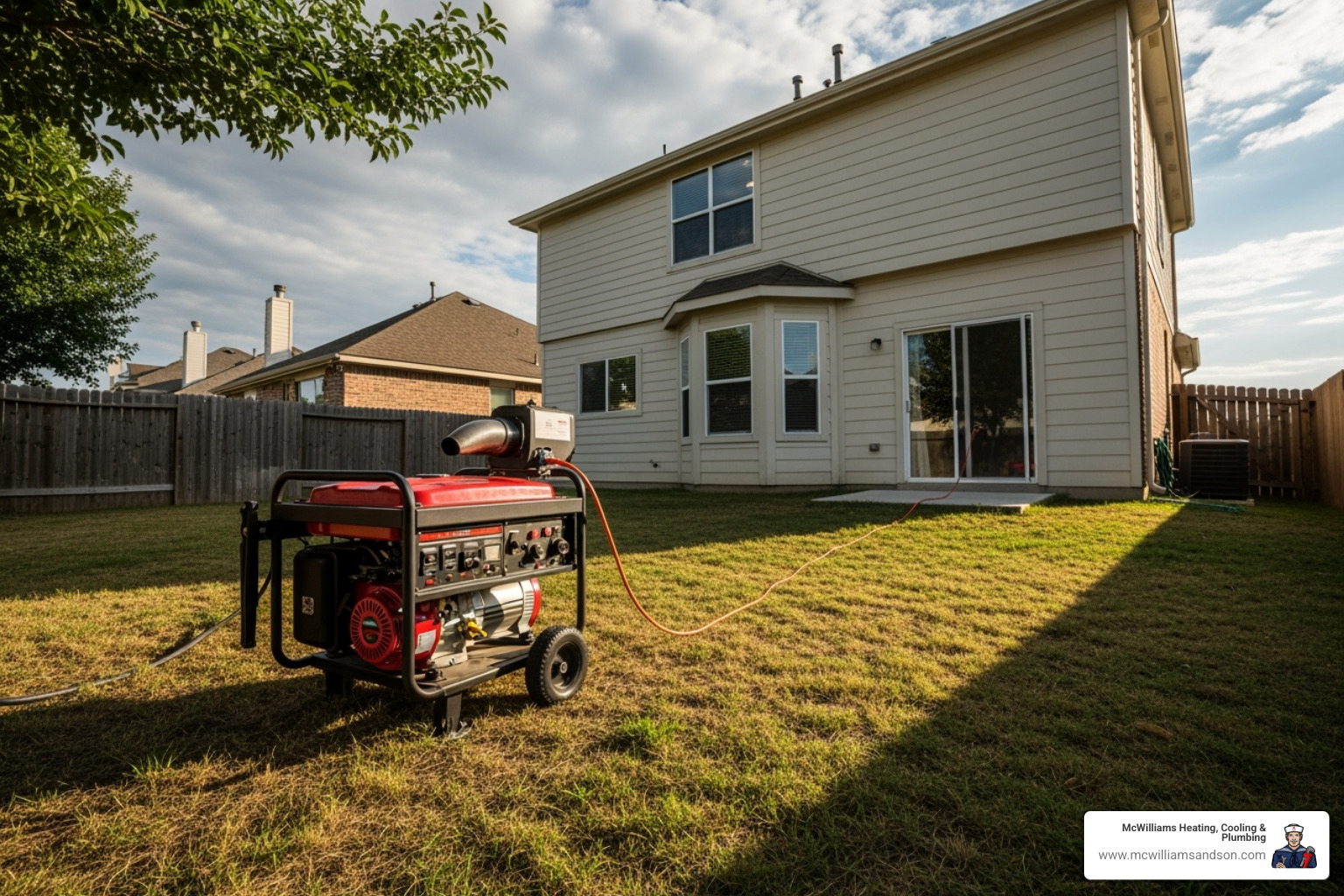
Carbon monoxide (CO) is an invisible, odorless, and deadly gas produced by a running generator. Adhering to these safety rules is non-negotiable.
- Operate Outdoors Only: Never run a generator indoors, in a garage, basement, or carport. It must be placed outside, at least 20 feet away from your home, with the exhaust pointing away from all doors, windows, and vents.
- Install CO Detectors: Place battery-operated carbon monoxide detectors inside your home and test them regularly.
- Protect from Weather: Keep the generator dry to prevent electrocution and damage, but ensure it has plenty of ventilation. Use a generator tent or open-sided canopy, never a fully enclosed space.
- Refuel Safely: Always turn the generator off and let it cool down completely before adding fuel to prevent fires.
- Use Proper Cords: Connect appliances with heavy-duty, outdoor-rated extension cords that are rated for the electrical load. Never use damaged cords.
- Avoid Backfeeding: Never plug a generator directly into a wall outlet. This dangerous practice, known as backfeeding, can electrocute utility workers and cause fires. The only safe way to connect to your home’s wiring is with a professionally installed transfer switch. Our team is experienced in Generac Generator Installation & Repair to ensure a safe connection.
- Keep Clear: Keep children and pets away from a running generator, as it has hot and moving parts.
For more information, review the Generator safety tips from the CPSC.
Routine Maintenance for Your Gas Generator
Regular maintenance ensures your gas generator starts easily and runs efficiently. Follow the manufacturer’s schedule for these key tasks:
- Check and Change Oil: Oil is the lifeblood of the engine. Check the level before each use and change it regularly.
- Clean or Replace Filters: A clean air filter improves efficiency and extends engine life.
- Inspect the Spark Plug: A clean, functional spark plug is crucial for easy starting and smooth operation.
- Manage Fuel: Use a fuel stabilizer if you store gasoline for more than a few weeks to prevent it from degrading and clogging the engine.
- Test Monthly: Run your generator for 15-30 minutes each month to keep internal parts lubricated and ensure it’s ready for an emergency.
Consider an annual professional service, especially for standby units, to catch potential issues early. For more guidance, see our Essential Generator Maintenance Tips.
Frequently Asked Questions about Gas Generators
Investing in a gas generator is a significant decision, and it’s natural to have questions. Here are answers to some of the most common concerns we hear from homeowners.
How much power do I need for my house?
Sizing your generator correctly is crucial. You don’t want one that’s too small to handle your needs or so large that it wastes fuel. First, list your essential appliances, such as the refrigerator, some lights, and perhaps a sump pump.
Next, understand the difference between running watts (continuous power) and starting watts (the initial surge needed for motors). A refrigerator might use 800 running watts but require 2,000 starting watts. To calculate your needs, add the running watts of all appliances you’ll use simultaneously, then add the single highest starting wattage figure from that list. A 3,000-5,000 watt gas generator is often sufficient for basic needs, while powering an entire home with central air requires a much larger standby unit (10,000+ watts).
Can I connect a portable generator directly to my home’s wiring?
No. Plugging a portable gas generator into a standard wall outlet is extremely dangerous. This practice, known as “backfeeding,” sends uncontrolled electricity into the utility lines, endangering utility workers. It can also cause electrical fires and damage your appliances.
The only safe method for connecting a generator to your home’s circuits is with a transfer switch. This device, installed by a qualified electrician, safely isolates your home from the grid before powering it with the generator. For maximum safety and convenience, a standby generator with an automatic transfer switch is the best solution.
How long can a gas generator run?
Run time depends on three main factors:
- Fuel tank size: A typical portable gas generator with a 5-gallon tank may run for 8-12 hours at a 50% load.
- Electrical load: The more power you draw, the faster the generator will consume fuel. Running at 25% capacity will use significantly less fuel than running at 75%.
- Generator type: Inverter generators are more fuel-efficient because their engines adjust speed based on the load, while conventional generators run at a constant high speed.
For standby generators connected to a natural gas line, run time is virtually unlimited. Propane-fueled standby units are limited only by the size of the propane tank.
Conclusion
When a power outage occurs, a gas generator provides the electricity needed to maintain comfort, safety, and a sense of normalcy. Whether you choose a portable unit for essential backup and recreation or a whole-home standby system for seamless, automatic protection, a generator is a vital component of modern emergency preparedness.
We’ve covered how generators work, the different types available, and the importance of matching a generator to your specific needs. Most importantly, we’ve highlighted the critical safety precautions and routine maintenance that ensure your generator operates reliably and safely for years to come.
As our power grid faces ongoing challenges, having a backup power solution is more of a necessity than a luxury. The right gas generator offers peace of mind, knowing your family is protected during any outage.
For expert guidance on whole-home backup power solutions, including professional generator installation and service, the experienced team at McWilliams Heating, Cooling & Plumbing is here to help. With over 50 years of serving the Greater Texas Area, we’re available 7 days a week with flexible financing and free in-home estimates. Learn more about our Generator Services.