If your air conditioner is 10 years old or older it may still use R-22 refrigerant. If so, you may soon find that it’s costly to recharge the system. Below we’ll cover everything you need to know about using R-22 refrigerant for your Lufkin, Texas, home.
What Is the R-22 Phaseout?
R-22 refrigerant, is being gradually phased out in the United States. R-22 is a class II controlled substance in part because this hydrochlorofluorocarbon (HCFC) damages the ozone layer. In an effort to help protect the environment, the United States will make it illegal to import or manufacture R-22 as of January 1, 2020.
What Happens After R-22 Becomes Illegal?
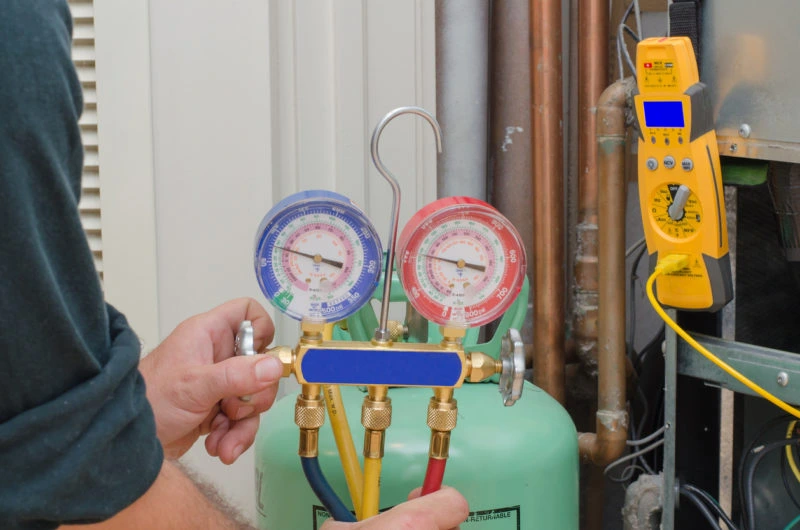
If your air conditioner still runs on R-22 refrigerant, you will have to rely on existing stores of R-22 to recharge your system after January 1, 2020. R-22 refrigerant can be reclaimed from systems going out of use, but since there will be no steady way to replenish the supply, this refrigerant will become increasingly expensive and difficult to get.
What Should I Do if I Use R-22 Refrigerant?
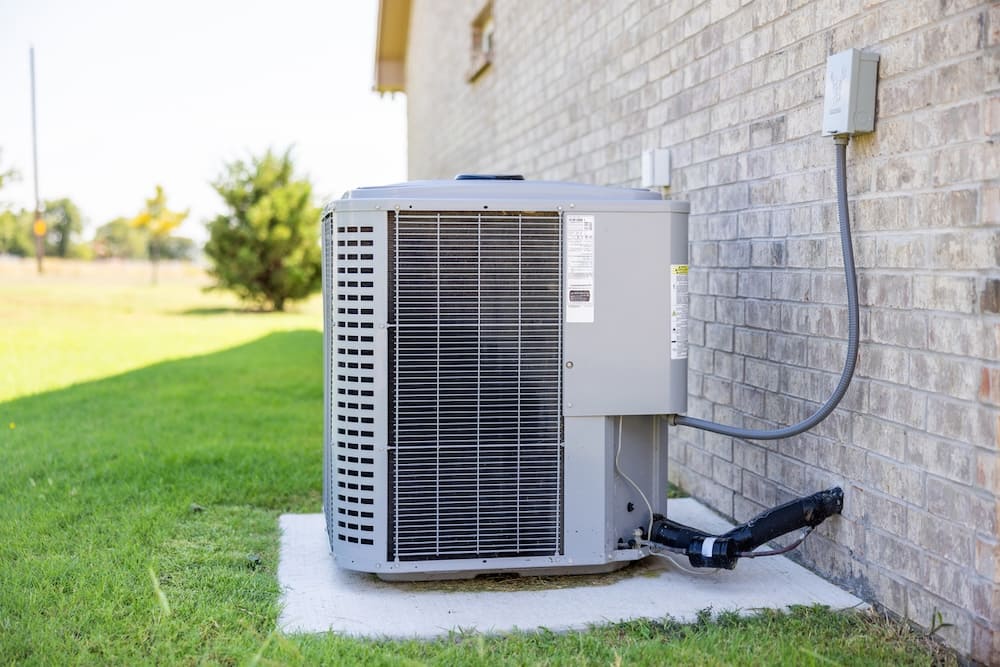
If you’re still using R-22 refrigerant in your air conditioner, you should consider replacing your system. The average air conditioner has a lifespan of about 15 years. If you’re nearing the end of your system’s lifespan, it’s best to begin planning to install a new air conditioner.
Our technicians can help you explore your options and find the best solution for your budget, energy efficiency goals, and home comfort needs. If you choose to upgrade to a new system, you’ll typically enjoy lower utility bills and enhanced comfort with the installation.
Understanding the coming changes regarding R-22 refrigerant is crucial if you’re still using this substance in your home’s HVAC system. If you recharge your system often, this phaseout will have a significant impact on how you handle your AC repairs in the future. To learn more about the phaseout, contact McWilliams Heating, Cooling and Plumbing at (877) 936-1974.
Image provided by iStock