

Blog
Home || Blog
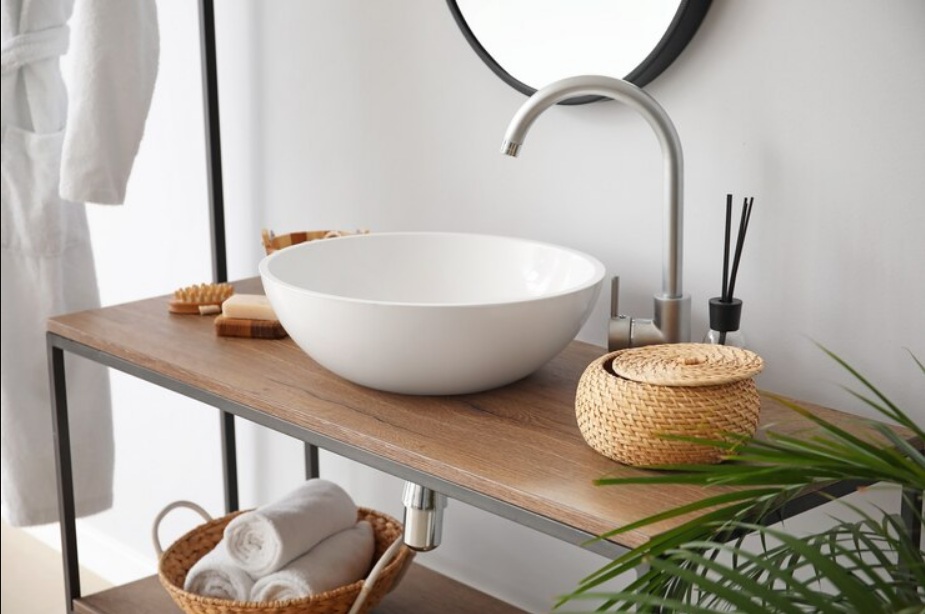
When the water in your bathroom sink starts draining slower than usual, it does not take long before it turns into a daily frustration. Standing water leaves behind a sticky ring of grime, creates musty odors, and disrupts your morning and evening routines.
For homeowners in Nacogdoches, from historic homes near Stephen F. Austin State University to established neighborhoods across East Texas, a slow-draining sink is a common plumbing headache. What starts as a minor inconvenience can quickly snowball into a stubborn clog or a pressurized pipe failure if ignored.
Taking proactive steps early protects your plumbing system from undue strain, prevents unexpected pipe leaks, and saves you from invasive emergency repairs down the road. McWilliams has been keeping homes across Nacogdoches and Deep East Texas running smoothly for years. This comprehensive guide breaks down the root causes of slow-draining bathroom sinks, safe at-home fixes, and when it is time to call in our licensed plumbing professionals.
Why Bathroom Sinks Start Draining Slowly in East Texas
Understanding why your bathroom sink is backing up is the first step toward fixing the problem. Bathroom drains handle a unique cocktail of organic materials and hygiene products every single day. Even when you are careful, internal pipe surfaces naturally catch and hold onto debris over time.
1. Hair Buildup and Soap Scum Fusion
Hair is the single most common culprit behind bathroom drain blockages. Long strands and short facial hair trimmings easily slip down the pop-up stopper during daily grooming. Once inside, hair catches on the rough edges of the drain assembly or pivot rod.
As shampoos, bar soaps, body washes, and shaving gels flow down the drain, they leave behind a sticky fatty film. This soap scum acts like glue, binding loose hair into a dense, impenetrable mat that chokes off water flow.
2. Toothpaste and Heavy Cosmetic Residue
Modern cosmetics, heavy face creams, clay masks, and viscous toothpastes do not wash away as quickly as plain water. As these thick gels cool inside your P-trap (the U-shaped pipe beneath your sink), they settle along the bottom of the pipe, gradually narrowing the opening for outgoing water.
3. Hard Water Mineral Scale
Many homes in Nacogdoches draw water containing dissolved minerals like calcium and magnesium. As hard water flows down your drain, mineral scale slowly precipitates along the interior walls of your copper, PVC, or legacy galvanized pipes. This mineral crust creates a rough surface that snags hair and soap scum far faster than smooth, clean pipe walls.
4. Foreign Objects Dropped Down the Drain
Small bathroom items often drop into unshielded drains accidentally:
- Cotton swabs and cotton balls
- Plastic dental floss picks and jewelry
- Caps from toothpaste tubes or cosmetic bottles
- Broken pieces of packaging
Unlike organic waste, non-biodegradable items will never break down inside your pipes. They become physical dams inside your P-trap or branch drain line, trapping everything that attempts to pass by.
5. Aging or Corroded Plumbing Lines
If your East Texas home features older plumbing lines, the interior of your metal pipes may be suffering from corrosion and rust flakes (tuberculation). Corrosion leaves internal pipe walls rough and pitted, catching tiny debris particles that would easily wash through a smooth, modern PVC drain line.
At-Home First Aid: Safe Action Steps for Homeowners
When your bathroom sink first begins to drain slowly, taking low-impact, safe action can often clear surface-level blockages located near the sink opening.
Step 1: Remove and Clean the Pop-Up Stopper
The majority of bathroom sink clogs sit directly on the pop-up stopper mechanism.
- Reach underneath the sink bowl and unscrew the retaining nut holding the horizontal pivot rod.
- Pull the pivot rod out slightly to release the stopper.
- Lift the stopper straight out of the sink drain from above.
- Scrub away accumulated hair, soap film, and black sludge using a small brush and dish soap before reinstalling.
Step 2: Use a Flexible Plastic Zip-Tool
An inexpensive, flexible plastic drain tool (often called a zip-tool or drain snake) features tiny barbed edges that grab matted hair. Insert the tool down into the drain opening, twist it gently, and pull it back out to extract surface hair clogs without scratching your pipes.
Step 3: Apply a Mini Sink Plunger
Plunging applies physical water pressure to dislodge minor clogs inside the P-trap:
- Block the overflow hole near the top of the sink rim with a damp rag to seal air pressure.
- Fill the sink with 1 to 2 inches of standing water to submerge the rubber cup of a small sink plunger.
- Place the plunger cup squarely over the drain opening and execute several firm, rapid up-and-down plunges.
Step 4: Use a Natural Baking Soda and Vinegar Flush
Avoid chemical cleaners and try a natural foaming reaction:
- Pour 1/2 cup of baking soda directly down the drain opening.
- Follow immediately with 1 cup of plain white vinegar.
- Cover the drain with a wet cloth and let the natural fizzing action break down organic soap scum for 15 to 20 minutes.
- Flush the pipe thoroughly with a kettle of hot (not boiling) tap water.
Caution: Never pour boiling water directly into a sink connected to PVC drain pipes, as extreme heat can soften rubber seals and warp plastic joints.
Why You Should Avoid Chemical Drain Cleaners
It is tempting to grab a bottle of liquid drain cleaner from the store shelf when water starts pooling in your sink. However, chemical drain openers rely on harsh caustic chemicals (such as sodium hydroxide or sulfuric acid) that create intense heat to melt organic material.
- Pipe Damage: The chemical heat generated by store-bought drain cleaners can soften PVC pipes, warp plastic P-traps, and corrode older metal lines.
- Corroded Faucet Finishes: If chemical liquid splashes back onto your sink basin, it can permanently etch ceramic porcelain and ruin brushed nickel, brass, or chrome faucet finishes.
- Health and Environmental Risks: Chemical cleaners leave hazardous standing liquid in your sink bowl if they fail to break through the clog. If a plumber has to service the pipe later, those harsh chemicals pose severe burn risks to the technician.
When to Call the Professionals at McWilliams
If at-home methods fail to restore swift, clean drainage, the blockage sits deeper inside your main branch lines or vent stacks. Poking at deep clogs with improvised tools or wire coat hangers can puncture fragile pipes or pack the clog tighter into the line.
Reach out to the licensed plumbing team at McWilliams if you notice any of these warning signs:
- Persistent Slow Drainage: The sink continues to hold standing water despite cleaning the stopper and plunging.
- Multiple Slow Drains: Sinks, showers, and toilets across your home are backing up at the same time, indicating a main sewer line blockage.
- Foul Odors from the Drain: Stale, rotten, or sewage-like smells coming from the sink point to rotting organic matter trapped deep in the line or a dry P-trap letting sewer gases escape.
- Gurgling or Bubbling Sounds: Hearing air gurgling up through the sink drain when you run water or flush a nearby toilet signals a blocked plumbing vent stack or main line pressure restriction.
- Recurrent Clogs: The sink drains normally for a few days after DIY clearing, only to back up again shortly after.
How McWilliams Restores Your Drainage System
When you call McWilliams for professional drain cleaning in Nacogdoches, our technicians bring advanced diagnostic equipment and trade techniques to resolve the root cause of the problem without damaging your home’s infrastructure.
- High-Definition Video Inspection: We feed a specialized fiber-optic camera into your drain line to pinpoint the exact location, depth, and nature of the blockage, whether it is hair, mineral scale, or invasive tree roots.
- Professional Drain Snaking (Augering): Using commercial-grade motorized drain augers, we safely clear tough blockages deep inside your branch lines without damaging pipe walls.
- Hydro-Jetting Technology: For heavy mineral scale and stubborn grease accumulation, hydro-jetting uses high-pressure water streams to thoroughly scour the interior walls of your pipes, restoring them to factory-fresh diameter.
- Comprehensive System Inspection: We check P-traps, mechanical stoppers, and stack vents to ensure your entire drainage system operates at peak capacity.
Daily Preventive Habits to Keep Your Bathroom Sinks Clear
Once your drain is flowing freely, practicing simple preventive habits protects your plumbing system from future clogs and expensive repairs:
- Clean Pop-Up Stoppers Weekly: Make wiping down your sink stopper a regular part of your bathroom cleaning routine.
- Install a Fine-Mesh Drain Strainer: Place a removable mesh hair catcher over unshielded drain openings during shaving or hair brushing.
- Never Flush Trash Down the Sink: Keep cotton pads, dental floss, wipes, and plastic packaging out of your sink basin entirely.
- Perform a Weekly Hot Water Flush: Run hot tap water down your bathroom sink for 60 seconds once a week to melt away fresh product oils and toothpaste before they solidify.
- Schedule Annual Professional Maintenance: Having McWilliams perform routine drain maintenance keeps your lines clean, catches minor leaks early, and extends the lifespan of your home’s plumbing grid.
Restore Smooth, Worry-Free Drains in Your Nacogdoches Home
Don’t let a slow-draining bathroom sink ruin your routine or turn into a plumbing emergency. Partnering with a trusted local professional ensures your drains stay clear, clean, and reliable year-round.
Contact McWilliams today or schedule your professional drain cleaning service online!
Share This :

ferociousmedia
Table of Contents
Latest
Discover New Blog Posts
Stay updated with our latest blog posts.
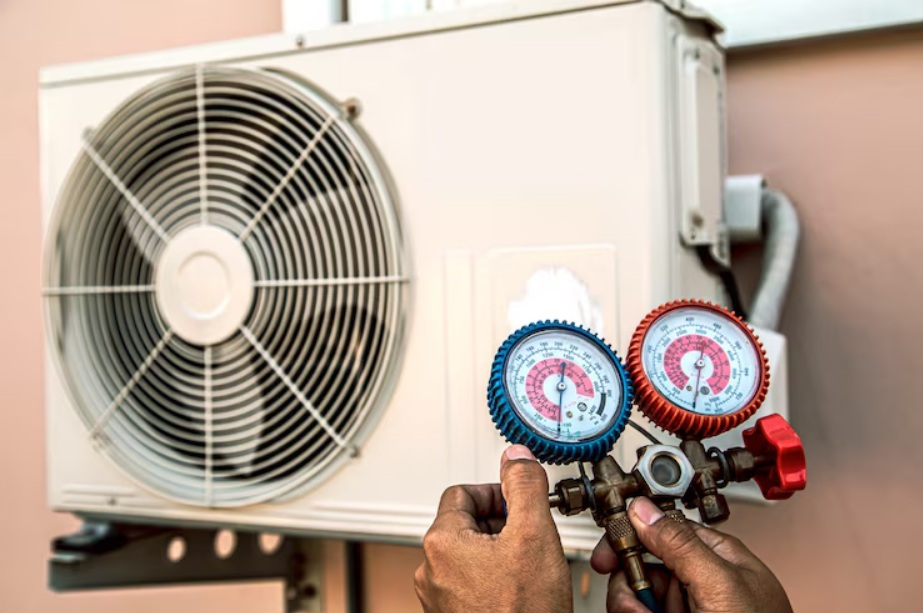
Heat pumps provide both heating and cooling, making them a practical option for many Lufkin homes. During cooler weather, however, you may notice frost developing […]
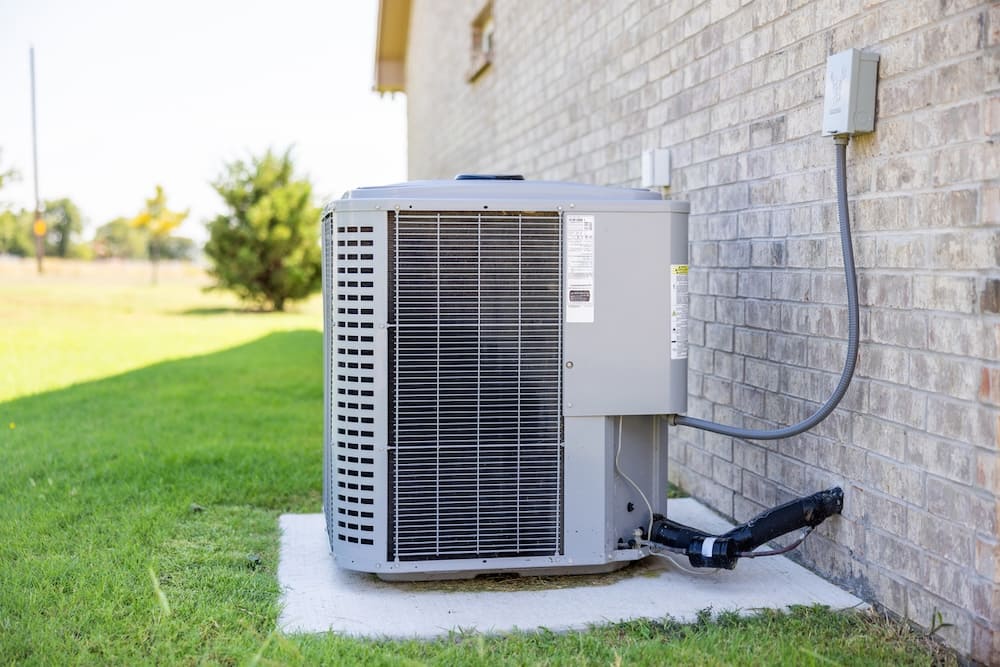
An AC blowing warm or weak air is one of the most common (and most urgent) HVAC complaints in Texas homes, and it almost always […]
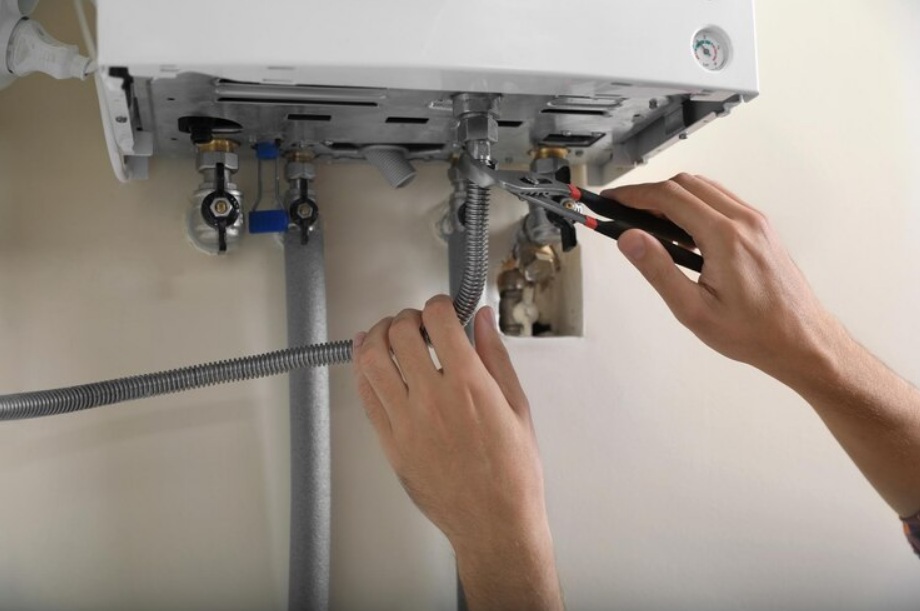
A water heater should operate without drawing much attention, so popping, crackling, or rumbling sounds coming from the tank can be concerning. Your system may […]