

Blog
Home || Blog
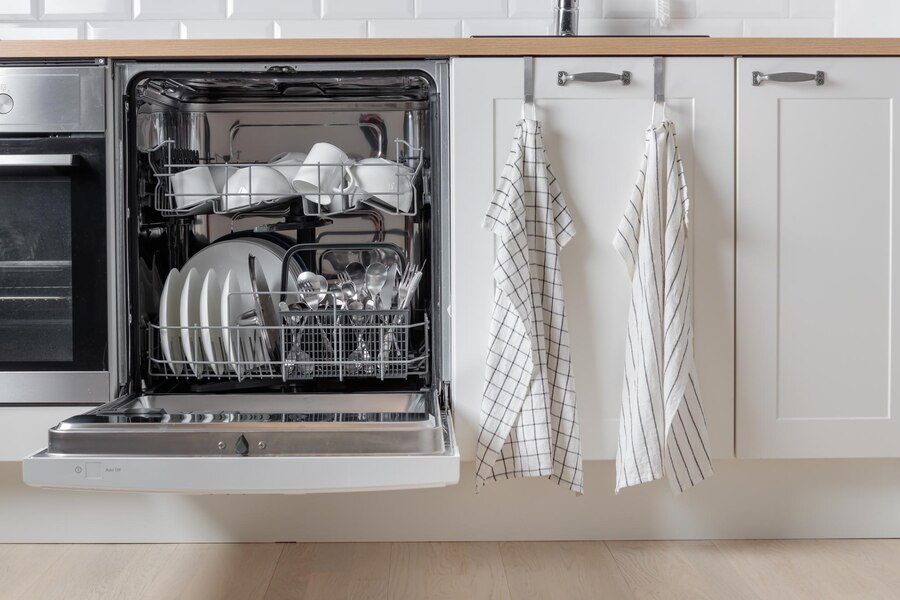
Dishwashers are one of the most relied-on appliances in many Huntsville homes. They save time, reduce water usage, and keep kitchens running smoothly. But when the unit stops draining properly, it can bring everything to a halt. A drainage issue is more than just a small hassle. It can lead to standing water, foul smells, and dishes that come out dirtier than they went in.
Huntsville homeowners often notice problems right after a wash cycle—water pooling in the bottom or a lingering odor that does not go away. Drainage problems can build slowly or happen all of a sudden, but either way, they should not be ignored. Identifying the source and understanding the common causes behind them helps prevent bigger issues down the line.
Common Causes Of Dishwasher Drainage Problems
When a dishwasher does not drain the way it is supposed to, the root problem is often simple, even if it causes serious inconvenience. Here are a few leading causes of drainage issues seen in Huntsville homes:
1. Food Debris and Drain Blockages: One of the most common culprits is food particles clogging up the system. If dishes are not rinsed well before loading, bits of rice, seeds, or even greasy residue can build up at the bottom of the unit. Over time, this debris clogs the filter or drain and prevents water from clearing out after a cycle.
2. Faulty or Obstructed Drain Hose: The drain hose connects the dishwasher to the sink drain or garbage disposal. If this hose gets kinked, crushed, or blocked, it can prevent water from escaping the dishwasher. Sometimes, even a partial obstruction is enough to cause water to back up.
3. Garbage Disposal Connection Issues: It is common for dishwashers to be connected to garbage disposals. If the disposal has not been cleared properly or the knockout plug was not removed during a new installation, water from the dishwasher will not have a proper exit path. A blocked disposal entry point can keep dirty water trapped.
For example, one homeowner in Huntsville installed a new garbage disposal but forgot to remove the knockout plug. As a result, their new dishwasher filled up with standing water that would not drain, leading to an avoidable service call.
Dishwasher drainage problems may seem like small issues at first, but ignoring them can lead to more serious consequences. Understanding what causes these problems is the first step toward keeping the appliance working as intended.
Signs Your Dishwasher Has Drainage Issues
Catching a drainage issue early can help prevent damage to the dishwasher and stop water from messing up your surrounding cabinetry and floors. Here are some common warning signs:
– Standing Water After a Wash: A small puddle at the bottom of the dishwasher is a clear sign something is wrong. If water remains long after the cycle ends, there is likely a clog or mechanical issue involved.
– Slow Drainage or Backups: If you open the door and see dirty water that has not drained, the discharge path may be blocked. This usually points to a filter or drain hose that needs attention.
– Unpleasant Odors: Smells that linger even after you have cleaned out the interior usually mean debris is stuck somewhere in the drainage system. Food particles left behind begin to decay and cause odors that fill the kitchen.
– Unclean Dishes Despite Full Cycles: When water is not draining properly, it recirculates during the next wash cycle. This results in dishes that remain cloudy, grimy, or coated with food residue.
If you notice any of these signs, it is time to troubleshoot the problem and find out what part of the system is having trouble.
Troubleshooting Dishwasher Drainage Problems
When your dishwasher will not drain, several simple checks can guide you toward the source of the problem. These steps can help determine if the problem is something that may need attention from our professionals.
1. Clean the Drain Filter: Look at the drain filter located at the bottom of the dishwasher. Many models come with a removable filter that holds food particles. If the filter is covered in grease or clogged with debris, water cannot flow through. Remove it gently, rinse it under warm water, and use a soft brush to dislodge any buildup.
2. Inspect the Drain Hose: Check the hose that runs from the dishwasher to the sink or disposal. If it is bent, pinched, or disconnected, that could be the issue. Grime or even small objects like glass fragments may also be blocking it. Make sure the entire length is clear, straight, and intact. If the hose feels brittle or heavily worn, it might need replacing.
3. Check the Garbage Disposal Connection: If your dishwasher drains through the garbage disposal, make sure the disposal is working properly. Turn it on with cold water running to clear the interior. If a new unit was recently installed, confirm the knockout plug was removed. A blocked connection here is a very common cause of drainage failure.
If you try these steps and your dishwasher still does not drain properly, the problem may be deeper in the system or in one of the mechanical parts like the drain pump. At that point, it is best to involve our professionals.
When to Call Our Professionals
Some drainage problems go beyond what a quick check can fix. If you have already cleaned out the drain filter, cleared the hose, and checked the disposal but the issue continues, it is time to reach out to our professionals.
Many dishwasher issues become worse when left untreated. If your dishwasher is making strange noises, showing error codes, or stopping in the middle of a cycle, the drainage issue could be linked to a faulty part or wiring problem. Older dishwashers also sometimes fail to match up with newer plumbing installations, leading to hidden drainage challenges.
Our professionals provide:
– Clear diagnostics using tools to spot internal faults
– Safe removal and repair of broken or clogged parts
– Long-lasting solutions to stop repeated issues
– Skilled handling of both older and newer dishwasher models
Taking prompt action helps preserve your dishwasher and protects your kitchen from further damage due to water leaks. It also gives you peace of mind knowing the root cause has been addressed correctly.
Keeping Your Dishwasher Running Smoothly in Huntsville
Routine care makes a major difference in the lifespan of your dishwasher. In many Huntsville homes, drainage problems are caused by skipping small routine steps that keep the system clean and clear. When filters stay dirty or connections wear down unnoticed, even a good quality dishwasher can fail prematurely.
Here are some habits that help:
– Scrape away excess food before loading your dishes
– Wash out the drain filter at least once a week
– Run a monthly cycle with dishwasher cleaner to reduce buildup
– Check hoses for cracks or stiffness over time
These steps go a long way toward preventing clogs, buildup, and slow drainage.
It is also helpful to schedule regular check-ups with our technicians. These visits help find problems early, reach hidden blockage points, and replace worn parts before they break completely. Regular inspections reduce the chances of sudden failure and help your unit operate reliably throughout heavy-use seasons.
During hot summers in Huntsville, your kitchen appliances may get more frequent use. Keeping your dishwasher in top condition through smart upkeep and timely service calls ensures your kitchen stays clean and efficient all season long.
If you’re looking for dependable drain cleaning in Huntsville to keep your system operating efficiently, trust McWilliams for expert care that helps extend the life of your equipment and prevent costly issues down the road. For a quick estimate or to book a service visit, please contact us today.
Share This :

ferociousmedia
Table of Contents
Latest
Discover New Blog Posts
Stay updated with our latest blog posts.
Heat pumps provide both heating and cooling, making them a practical option for many Lufkin homes. During cooler weather, however, you may notice frost developing […]
An AC blowing warm or weak air is one of the most common (and most urgent) HVAC complaints in Texas homes, and it almost always […]
A water heater should operate without drawing much attention, so popping, crackling, or rumbling sounds coming from the tank can be concerning. Your system may […]