

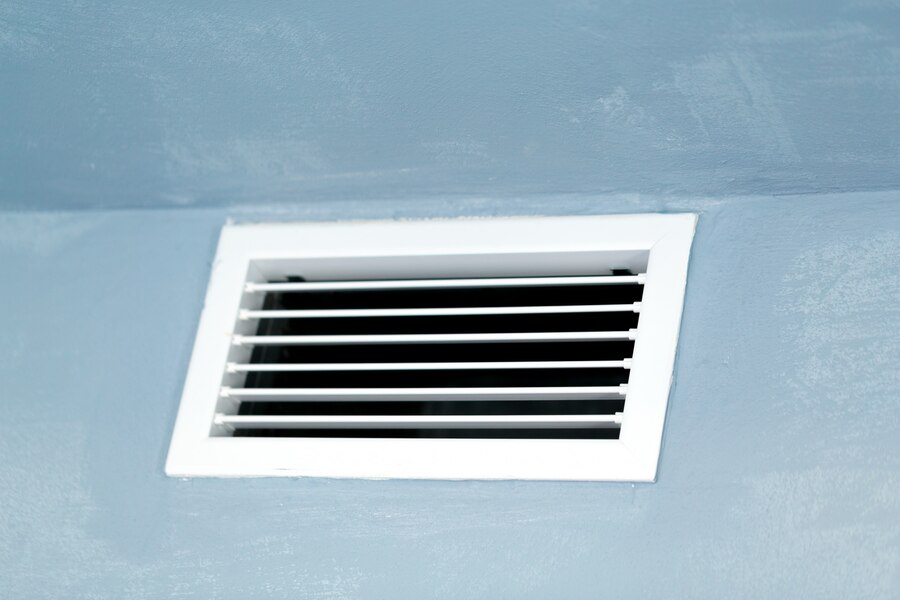
Blog
Home || Blog
If you have ever heard a high-pitched whistling noise coming from your air vents in Cleveland, you are not alone. Whistling sounds are more than just annoying. They can be signs that something in your AC system is not working the way it should. This issue is especially common in residential homes where duct systems may be older, improperly connected, or blocked due to dust or debris buildup. Left unresolved, these sounds can lead to airflow problems, higher utility bills, and stress on your HVAC system.
Solving the problem starts by understanding what is causing the sound and how to locate it. Whether the issue is loose ductwork or a clogged filter, whistling is a warning sign that your system needs attention. The following sections will help Cleveland homeowners identify the source and outline the steps needed for a quieter and more efficient setup.
Common Causes of Air Duct Whistling Sounds
Hearing a whistling sound from your air vents may seem minor, but it often signals a larger issue with your AC system’s airflow or ductwork. Recognizing the causes helps you take the right steps before it develops into a more costly problem.
Here are some common reasons your ductwork might be making noise:
– Loose or disconnected ductwork: If duct connections are not sealed properly, small gaps may form where air escapes or gets pulled in. This disturbance creates a whistling sound, especially when the system operates under higher pressure.
– Air leaks along joints or seams: These tend to occur where duct sections meet or where sealing was not done correctly during installation. As air squeezes through these narrow spaces, it produces a high-pitched whistle.
– Blocked or closed vents: Furniture placed in front of vents, dirty air filters, or objects blocking return grilles can restrict airflow. This forces air through smaller pathways, commonly leading to that whistling noise.
– Dirty or clogged air filter: Filters packed with dust limit how much air enters the system. When airflow is restricted, air pressure builds up, often causing the system to emit a whistling noise.
– Undersized or poorly designed duct system: If the existing ductwork is too small for the heating or cooling demand, the system pushes more air than the ducts can handle. The increased airflow velocity through tight ductwork can result in whistling sounds.
If your AC system or interior design was updated recently and the ductwork is still original, there may be a mismatch between the system requirements and duct capacity. Whatever the cause, whistling usually means air is not flowing properly.
Identifying the Source of the Whistling Sound
After hearing a whistling sound, finding its source is the next logical step. Locating the exact origin helps determine how to fix the issue, whether it’s minor or something more complex.
Follow these steps to pinpoint the origin:
1. Walk the house while the AC is running – Go room by room and listen closely near each air vent. Note where the sound is loudest. Some noises may become more noticeable when the system first turns on.
2. Do a visual inspection – Check accessible ductwork, typically found in attics or closets. Use a flashlight to look for gaps or dust around duct joints, which could indicate air leaks.
3. Feel for escaping air – Run your hand along visible duct seams and joints. Escaping air where it is not supposed to be is a clear sign of leakage. Take care when working around sharp metal edges.
4. Check the air filter – If your air filter has not been changed in a month or more, it may be clogged and restricting airflow. Remove it and inspect. If it looks gray or dusty, it is likely time for a replacement.
5. Inspect vent covers – Ensure all vents are fully open and not obstructed by rugs, curtains, or furniture. Restricted vents interfere with airflow and may contribute to odd noises, including whistling.
If you cannot access all parts of the duct system or the source remains unclear, it is best to let our professionals assess the system more thoroughly.
Effective Solutions to Fix Air Duct Whistling
Once the issue is located, the next step is applying the proper solution to fix the airflow and eliminate unwanted noise. Depending on the condition of your system and duct layout, some repairs may be easier than others.
Here are several effective ways to fix whistling ducts in Cleveland homes:
– Tighten and secure connections: Over time, ducts can shift or come loose. Tightening these connections and using mechanical fasteners can stop air from leaking through gaps.
– Seal air leaks properly: Cracks and unsealed joints allow air to escape, often producing a whistle. Sealing these areas with mastic sealant or aluminum foil tape helps prevent sound and improves system efficiency. Avoid using cloth-backed duct tape, which doesn’t hold up over time.
– Remove internal blockages: Items like pet hair, dust, or other debris may be caught in the ductwork. Our technicians can safely access and clean these areas to restore airflow.
– Uncover and reposition blocked vents: Vents hidden behind sofas, curtains, or other large furniture may cause pressure imbalances. Shifting furniture or adjusting dampers can help airflow return to normal and reduce noise.
– Replace the air filter: This simple fix can solve multiple issues. A clean filter maintains steady airflow and takes pressure off the system. Based on home conditions, filters should be changed about every 1 to 3 months.
If whistling continues after these adjustments, the issue may stem from undersized ductwork or an unbalanced system. Ductwork that cannot meet air capacity demands will keep creating airflow issues, even if leaks are sealed and filters are changed. In such cases, professional duct redesign or repositioning may be needed.
When to Call Our Professionals
Not all AC system problems are visible or easy to fix, especially if the duct system travels through tight or hidden spaces in your Cleveland home. If typical fixes provide no relief or the access is difficult, it’s time to contact our professionals.
You should consider bringing in our technicians if:
– The whistling sound continues even after replacing the air filter or checking for blocked vents
– Gaps, cracks, or leaks are noticeable but are too hard to reach or seal safely
– You are unsure whether the ducts are the right size for your setup
– Airflow to certain rooms feels too weak or inconsistent compared to others
Our professionals can run tests that pinpoint pressure irregularities and check duct sizing. Sometimes, what seems like a minor whistling issue may be a sign of mismatched components or an HVAC layout problem that is affecting indoor comfort.
One example involved a Cleveland homeowner who noticed regular whistling in the dining area. Filters were clean and no vent blockages were found. Our team discovered the return duct serving that room was undersized. After resizing and upgrading the return grille, the problem was resolved and airflow improved throughout that part of the home.
Ensuring a Quiet and Efficient Air Duct System
Whistling vents indicate more than a sound nuisance—they can affect the performance of your entire HVAC system. Obstructed airflow causes excess strain, which can shorten the lifespan of components and increase your energy usage over time. Fixing duct whistling early helps stabilize interior temperatures and lowers the risk of other cooling issues.
Regular inspections and maintenance are the best ways to stay ahead of system issues. Having your ductwork checked ensures pressure stays balanced, leaks are sealed, and airflow can move easily. Cleveland homeowners who have remodeled or installed a new AC unit recently should especially ensure the duct layout still supports current needs.
Whether your home is several decades old or recently built, eliminating whistling sounds from the HVAC system can boost both comfort and efficiency. With the right inspection and a few strategic repairs, Cleveland homeowners can enjoy cleaner airflow and a quieter environment while extending the life of their cooling equipment.
If your home still experiences persistent vent issues, consider scheduling a professional inspection to ensure your HVAC system operates quietly and efficiently. McWilliams is committed to helping you tackle duct problems by providing reliable solutions that improve airflow and overall comfort. Rely on our professionals for AC repair in Cleveland that targets the root causes of whistling and prevents future disturbances. For a quick estimate or to book a service visit, please contact us today.
Share This :

ferociousmedia
Table of Contents
Latest
Discover New Blog Posts
Stay updated with our latest blog posts.
Heat pumps provide both heating and cooling, making them a practical option for many Lufkin homes. During cooler weather, however, you may notice frost developing […]
An AC blowing warm or weak air is one of the most common (and most urgent) HVAC complaints in Texas homes, and it almost always […]
A water heater should operate without drawing much attention, so popping, crackling, or rumbling sounds coming from the tank can be concerning. Your system may […]