

Blog
Home || Blog
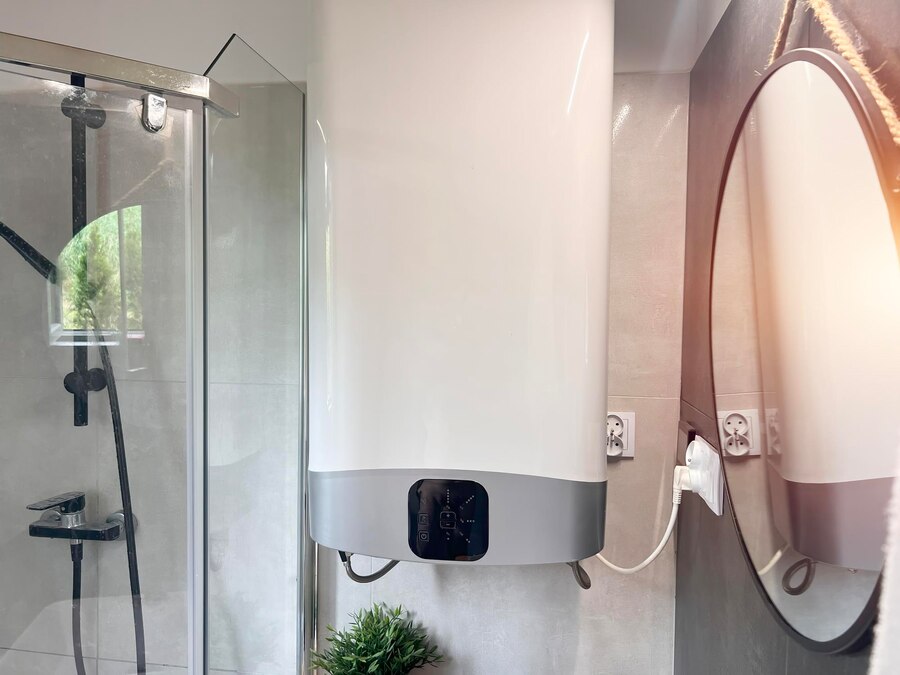
A leaking pressure relief valve on your water heater isn’t something you can put off for long. Whether it’s just a few drops or a noticeable trickle, that leak could be pointing to a problem inside your water heater that needs immediate attention. In homes across Livingston, this issue often shows up at inconvenient times, like when the family is getting ready for the day or when hot water suddenly runs out sooner than expected. Even though the water heater itself might still be working, a leaking pressure relief valve can be a warning sign you shouldn’t ignore.
The pressure relief valve is built into your water heater for safety reasons. It helps release excess pressure or temperature that builds up in the tank. When it’s working correctly, it keeps things stable. But when it starts leaking, it may be reacting to issues inside the system like pressure that’s too high or parts starting to wear out. Understanding why it’s leaking and knowing what to look for can help protect your home from serious water damage or even major appliance failure down the line.
Common Reasons Your Water Heater Relief Valve Is Leaking
If you spot water near the bottom of your water heater or notice steady dripping from the relief valve pipe, something’s off. Here are the most common problems that cause leaks at the pressure relief valve:
1. Too Much Pressure in the Tank: One of the main jobs of the relief valve is to open when pressure builds up inside the water heater. If there’s excessive pressure, often caused by high water pressure in the home, the valve opens to let some of that pressure out. After that, it should close again. But when pressure stays high, it may stay partially open and cause a leak. This can also happen if the expansion tank isn’t working properly or if your water pressure regulator is failing.
2. Water Temperature Is Too High: If the thermostat on your water heater is set too high, the water can get overly hot, which creates more pressure inside the tank. This can trigger the pressure relief valve to open to release both pressure and temperature. That often leads to repeated leaks and long-term wear on the valve.
3. Faulty Relief Valve: Over time, the valve can wear out or become corroded, especially if there’s mineral buildup from hard water. If the internal spring inside the valve weakens or the seat gets pitted, the valve may not close tightly anymore, allowing water to slowly leak out even when pressure is within a safe range.
4. Sediment Buildup in the Tank: Sediment buildup inside the tank affects the overall performance of your water heater. When minerals settle near the bottom, they can create hot spots that boil the water and push steam toward the top of the tank. That steam puts pressure on the top portions of the heater and can cause the relief valve to open unnecessarily.
Each of these issues creates more strain on your water heater and increases the chances of damage or malfunction. If you’ve had to clean up water from the floor around your unit more than once, it’s likely not a fluke. One homeowner in Livingston found themselves mopping around their water heater for weeks before realizing the cause was a slowly failing pressure relief valve that couldn’t seal properly anymore.
How To Pinpoint the Source of the Leak
Before you jump to conclusions, take a few minutes to examine the system closely. Knowing how to safely inspect your water heater can help you identify whether the leak is really coming from the pressure relief valve or another nearby component.
Start with these steps:
– Cut off power and shut off water supply: If you have an electric water heater, switch it off at the breaker. For gas units, turn the dial to the off setting. Then turn off the cold water supply valve near the top of the heater.
– Wait for the water to cool: Give it a few hours before touching any part of the tank or valve. Hot water and steam could still be inside the tank and can cause burns.
– Look at the discharge pipe: The pressure relief valve is typically located on the side or top of the tank and connects to a pipe that points down toward the floor. If water is coming directly out of that pipe, the valve is likely releasing it.
– Check for mineral or rust buildup on the valve: Crusty white or orange buildup may indicate long-term seepage. That buildup can keep the valve from sealing the way it should.
– Read the temperature and pressure gauge: If you’re familiar with how to read it, check to see if the pressure or temperature is above the normal range, usually under 150 psi and around 120 degrees Fahrenheit. If not, the valve may just be stuck or worn out.
If you’re not sure what you’re looking at or feel uncomfortable checking the pressure and temperature levels, it’s time to have one of our professionals take a closer look. Improper handling of a water heater, especially one that is actively leaking or pressurized, can lead to bigger problems. Professional inspection helps confirm what the real issue is and what repair is needed next.
Consequences of Ignoring a Leaking Pressure Relief Valve
Letting a leaking pressure relief valve go unchecked can lead to more than just a wet floor. Over time, even a small, slow leak adds up to serious consequences for your home and wallet. What starts as a few drops can become gallons of water lost each month, creating problems you might not notice right away.
– Water damage to flooring or nearby walls happens when moisture continues to collect, soaking into wood, drywall, or insulation. This can weaken structures and, in some cases, lead to mold growth.
– Increased wear and tear on the water heater occurs if the leak continues unnoticed. The system may run more often to maintain the same hot water levels, which puts stress on valves, heating elements, and seals.
– Energy bills can jump, especially if the water heater is constantly replenishing and reheating lost water. That efficiency drop may seem minor at first, but it will affect monthly costs over time.
– Potential for full failure becomes real if the root cause behind the leak, such as pressure that’s too high, never gets fixed. Left alone, pressure can reach dangerous levels and eventually lead to tank damage or a system that shuts down entirely.
One resident in Livingston experienced a warped wood floor in their utility room after weeks of wiping up what they thought was harmless condensation. It turned out the pressure relief valve had been leaking for some time, and the water had already seeped under the flooring material.
When to Call Our Professionals
Though a small leak might seem easy to manage at first, certain signs indicate it’s time to bring in our technicians. A DIY mindset is understandable, but when you’re dealing with pressure valves and a sealed system storing hot water, expert handling makes a big difference.
Reach out if:
– You’ve replaced the valve and the leak continues
– The water heater is showing signs of inconsistent performance like fluctuating temperatures or turning off unexpectedly
– You’re not confident in checking pressure, temperature settings, or identifying corrosion on the valve
– Water appears again shortly after drying the area
– The tank is older and hasn’t been inspected in years
Our technicians are trained to diagnose the source and correct it safely. They use the right tools to measure pressure, inspect valves, test water heater components, and make recommendations that extend the overall life of the system. Figuring out the exact cause of a leak may take more than just a visual check.
How to Keep Your Water Heater Running Efficiently
If you’re trying to avoid future leaks, a few key habits go a long way in keeping your water heater in great shape. Regular checks and maintenance help you catch small problems early and avoid major repairs or replacements later.
Use this short list of simple maintenance steps to stay ahead of issues:
– Check the pressure relief valve at least once a year by lifting the test lever briefly to make sure it opens and closes properly
– Keep the thermostat set within a safe range, typically 120 degrees Fahrenheit, to avoid overheating
– Drain the tank every few months to remove sediment buildup that causes hot spots and pressure issues
– Schedule annual professional inspections to assess water pressure, check valve function, and ensure the system is operating safely
Being proactive keeps your hot water flowing reliably and lowers the risk of unexpected water damage. In a place like Livingston, where temperature and groundwater conditions vary, regular attention to your water heater is a smart move.
Prevent Water Heater Leaks & Boost Efficiency in Livingston with McWilliams
A leaking pressure relief valve might seem small, but it’s often a symptom of bigger problems like excess pressure, sediment buildup, or worn parts. Ignoring it can lead to costly repairs, water waste, and safety concerns. Knowing what to look for and how to identify the issue puts you a step ahead.
Whether you’re dealing with strange drip patterns, can’t figure out where the moisture is coming from, or want peace of mind about your system’s health, getting it checked sooner is always better. Homeowners in Livingston can avoid serious damage and improve energy efficiency by handling water heater concerns the right way.
At McWilliams, we understand that every home needs reliable service for all its systems. If your water heater is showing signs of trouble and you also need expert water heater repair in Livingston to maintain indoor comfort, our experienced technicians are ready to help you create a safe, efficient home environment. For a quick estimate or to book a service visit, please contact us today.
Share This :

ferociousmedia
Table of Contents
Latest
Discover New Blog Posts
Stay updated with our latest blog posts.
Heat pumps provide both heating and cooling, making them a practical option for many Lufkin homes. During cooler weather, however, you may notice frost developing […]
An AC blowing warm or weak air is one of the most common (and most urgent) HVAC complaints in Texas homes, and it almost always […]
A water heater should operate without drawing much attention, so popping, crackling, or rumbling sounds coming from the tank can be concerning. Your system may […]