

Blog
Home || Blog
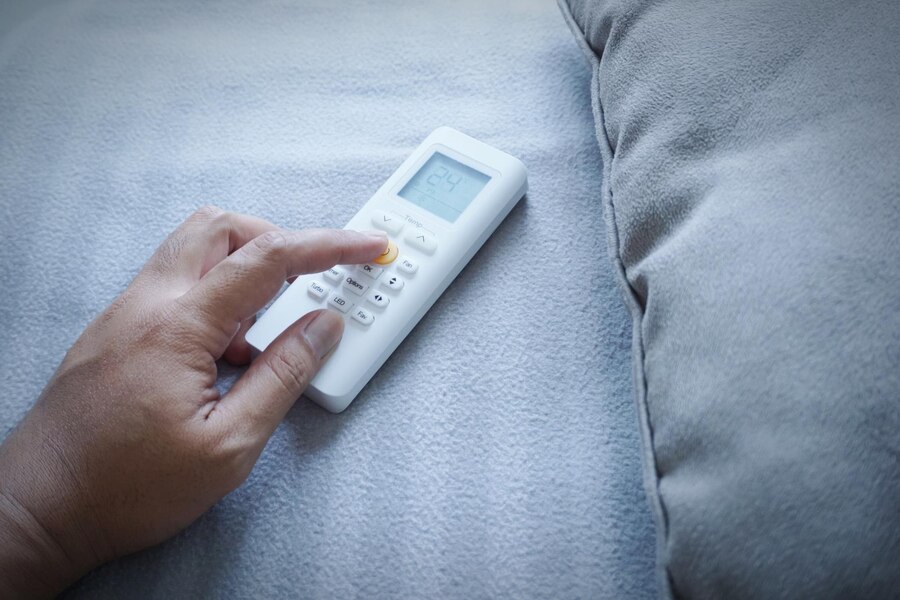
A mini-split system offers many homeowners in Shepherd a convenient way to manage indoor comfort during the summer. But when the remote control suddenly stops working, it can leave you frustrated. Since the remote is the main way to turn the mini-split on, adjust the temperature, or switch modes, a non-responsive controller can make it feel like your whole cooling system isn’t working. Before assuming there’s a major problem with the unit itself, it helps to understand what may be preventing the remote from operating correctly.
Remote control issues can range from simple battery problems to more technical sensor failures. The challenge is knowing which problem you’re dealing with. If you’re standing there pushing buttons with no result, knowing what to check next can save time and stress. This guide breaks down some of the most common causes of remote control failure and when it’s time to let professionals step in.
Common Reasons Why Your Mini-Split Remote Control Stopped Working
There are several reasons why a mini-split remote might stop responding. Many of them are easy to correct once identified. Here’s a breakdown of what could be going wrong:
1. Dead or Weak Batteries: Remote controls rely on working batteries. If your remote has suddenly stopped working or behaves inconsistently, old or weak batteries are usually the first things to suspect. Swapping them out with new ones is a simple fix that often restores function.
2. Signal Obstruction: If something is physically blocking the path between the remote and the indoor mini-split unit, the signal won’t reach the receiver. Ensure furniture, curtains, or other objects aren’t in the way. Even large decorative items or electronics placed close to the unit might interfere with proper signal transmission.
3. Dirty or Misaligned Sensors: The remote sends an infrared signal to the mini-split’s receiver. If the receiver or the sensor in the remote is dirty or misaligned, it can cause communication issues. A dusty sensor window or slightly misaligned angle can be enough to break the connection.
4. Interference From Other Devices: Other electronic devices in your home, such as Wi-Fi routers, televisions, or LED lights, may interfere with the signal. If your remote only works when you’re standing very close or at a certain angle, interference could be the cause.
5. Physical Damage: Sometimes damage isn’t obvious from the outside. A minor drop or liquid spill can damage small parts inside the remote, leading to failure. If the remote feels loose inside or doesn’t click the way it used to, internal issues might be the cause.
It helps to go through these factors one by one to see if something simple was overlooked. For example, replacing dead batteries or moving a coffee table that’s suddenly in the way can be quick fixes. Other times, the issue is more complex and may need a closer look by trained professionals.
Troubleshooting Steps Before Getting Help
If your remote isn’t working, it’s worth trying a few basic steps before calling for help. These steps often uncover minor issues that are quick to solve.
– Replace both batteries with fresh, matching ones and make sure they’re inserted correctly
– Make sure there’s a direct line of sight between the remote and the wall-mounted indoor unit
– Wipe the sensor area on both the remote and the indoor unit using a soft, dry cloth
– Check for anything nearby emitting signals that could interfere, such as a baby monitor or a large TV
– If your remote has a reset button, press it with a pointed object and see if performance improves
Performing one step at a time can help isolate the problem. For instance, one homeowner in Shepherd noticed their remote would only work from certain parts of the room. Turned out a tall bookshelf had just been moved in front of the unit, blocking the signal completely. Small adjustments like this can get things working again without much effort.
If the above steps don’t solve the issue, the problem may lie within the mini-split system itself or the remote could be experiencing internal failure. That’s when it makes sense to reach out to professionals for a closer look and possible maintenance.
When to Call Professionals for AC Maintenance in Shepherd
If your mini-split remote still isn’t working after trying the basic troubleshooting steps, the issue could be deeper than just signal interference or bad batteries. Internal problems with the remote or the mini-split system itself can prevent proper communication between the two. This can include faulty circuit boards, sensor malfunctions, or problems with the main control unit. These are not usually repairable without professional support.
Another situation where it’s time to bring in trained technicians is when the remote control starts acting erratically. If settings change on their own or the unit fails to respond even after a reset, that’s a strong sign there’s either internal damage or a larger system issue. Continuing to force the remote to work may add more stress to the unit or create new problems.
Professional AC maintenance in Shepherd homes helps catch these types of problems early. Our technicians can test your system’s remote and receiver using proper tools, replace damaged parts, and ensure the unit is communicating correctly. They can also inspect the indoor and outdoor units for performance problems that may affect remote responsiveness. Getting a full system check can prevent future breakdowns and lower the chance of surprise issues in the middle of summer.
How Regular Service Helps Prevent Mini-Split Remote Issues
Consistent maintenance goes beyond short-term fixes and keeps your whole cooling system running as it should. Mini-split systems are complex, and while most of the focus goes to the unit itself, the remote plays a major role in smooth operation. If it’s not well-maintained or checked during service, small problems can become big ones down the road.
Here’s how regular maintenance can head off remote control issues:
– Internal sensors are cleaned and tested to make sure they receive the signal properly
– Firmware or software settings are checked for errors when supported by the model
– Technicians verify if the remote is delivering a strong and consistent signal
– The connection between the indoor unit and controller is tested for faults
– Any battery corrosion or remote housing damage is inspected closely
With routine inspections, your system stays ready for high temperatures, and small issues like signal loss or sensor dirt don’t pile up. That way, you avoid the hassle of coming home on a hot day and finding the controls unresponsive.
Keep Your Mini-Split System Running Smoothly in Shepherd
Functional remotes are essential to your comfort. Without them, it’s hard to operate your mini-split efficiently. Many of the common problems, like weak batteries or blocked signals, are easy to correct. Others, like dirty sensors or interference, are less obvious and may take a trained eye to diagnose. If you’ve gone through the basic steps and the remote still won’t cooperate, it’s time to rely on professionals to solve the issue.
Preventative maintenance plays a big part in stopping these problems before they start. It helps keep your entire system working together, from the remote to the cooling unit. Scheduling regular maintenance ensures your home stays cool when you need it most. A consistent service plan is one of the best ways to protect your comfort and avoid the stress of sudden equipment failures.
If you’re ready to ensure your mini-split system performs flawlessly all summer, scheduling routine AC maintenance in Shepherd can help prevent small issues from becoming expensive problems. McWilliams is dedicated to making sure every part of your system runs efficiently. For a quick estimate or to book a service visit, please contact us today.
Share This :

ferociousmedia
Table of Contents
Latest
Discover New Blog Posts
Stay updated with our latest blog posts.
Heat pumps provide both heating and cooling, making them a practical option for many Lufkin homes. During cooler weather, however, you may notice frost developing […]
An AC blowing warm or weak air is one of the most common (and most urgent) HVAC complaints in Texas homes, and it almost always […]
A water heater should operate without drawing much attention, so popping, crackling, or rumbling sounds coming from the tank can be concerning. Your system may […]