

Why PEX Repiping is Revolutionizing Texas Homes
Home repiping with pex has become the go-to solution for Texas homeowners facing plumbing failures. If you’re dealing with low water pressure, rusty water, or frequent leaks, PEX (cross-linked polyethylene) offers a modern alternative that’s more affordable, durable, and freeze-resistant than traditional copper or galvanized pipes.
Quick Overview: Home Repiping with PEX
- Cost: $3,500-$11,000 average (significantly less than copper)
- Timeline: 1-3 days for plumbing work, plus wall patching
- Lifespan: 50+ years with minimal maintenance
- Best for: Replacing galvanized, polybutylene, or failing copper pipes
- Key benefit: Flexible installation reduces wall damage and labor costs
PEX has emerged as the preferred choice for home repiping due to its flexibility, which allows it to be “fished” through walls with minimal drywall removal. Unlike rigid copper that requires extensive wall openings and soldering, PEX can bend around corners and connect with simple crimping or expansion tools.
The material itself is incredibly resilient. It won’t corrode like galvanized steel, doesn’t require the fire hazard of torch soldering like copper, and can expand when frozen without bursting. For Texas homes built between the 1950s-1980s with failing galvanized pipes, or those with problematic polybutylene systems, PEX repiping offers a cost-effective path to reliable, long-term plumbing.
Whether you’re considering a DIY approach or hiring professionals, understanding the process, costs, and benefits will help you make the right decision for your home’s specific needs.

What is PEX Piping and Why is it the Modern Choice?
Cross-linked polyethylene – or PEX – is a flexible plastic tubing that has revolutionized home repiping with pex since its introduction in the U.S. in the 1980s and 90s.
Think of PEX as the smart, younger sibling of traditional pipes. It starts life as high-density polyethylene resin, but then undergoes a special cross-linking process that gives it almost magical properties. This process creates a material that’s incredibly durable yet surprisingly flexible – imagine trying to bend a copper pipe around a corner versus gently curving PEX through the same space. There’s simply no comparison.
Flexibility is probably PEX’s greatest superpower. While copper pipes require you to cut holes in walls, solder joints, and pray you don’t accidentally start a fire, PEX can be “fished” through wall cavities like threading a needle. This means less wall damage, faster installation, and frankly, a lot less stress for everyone involved.
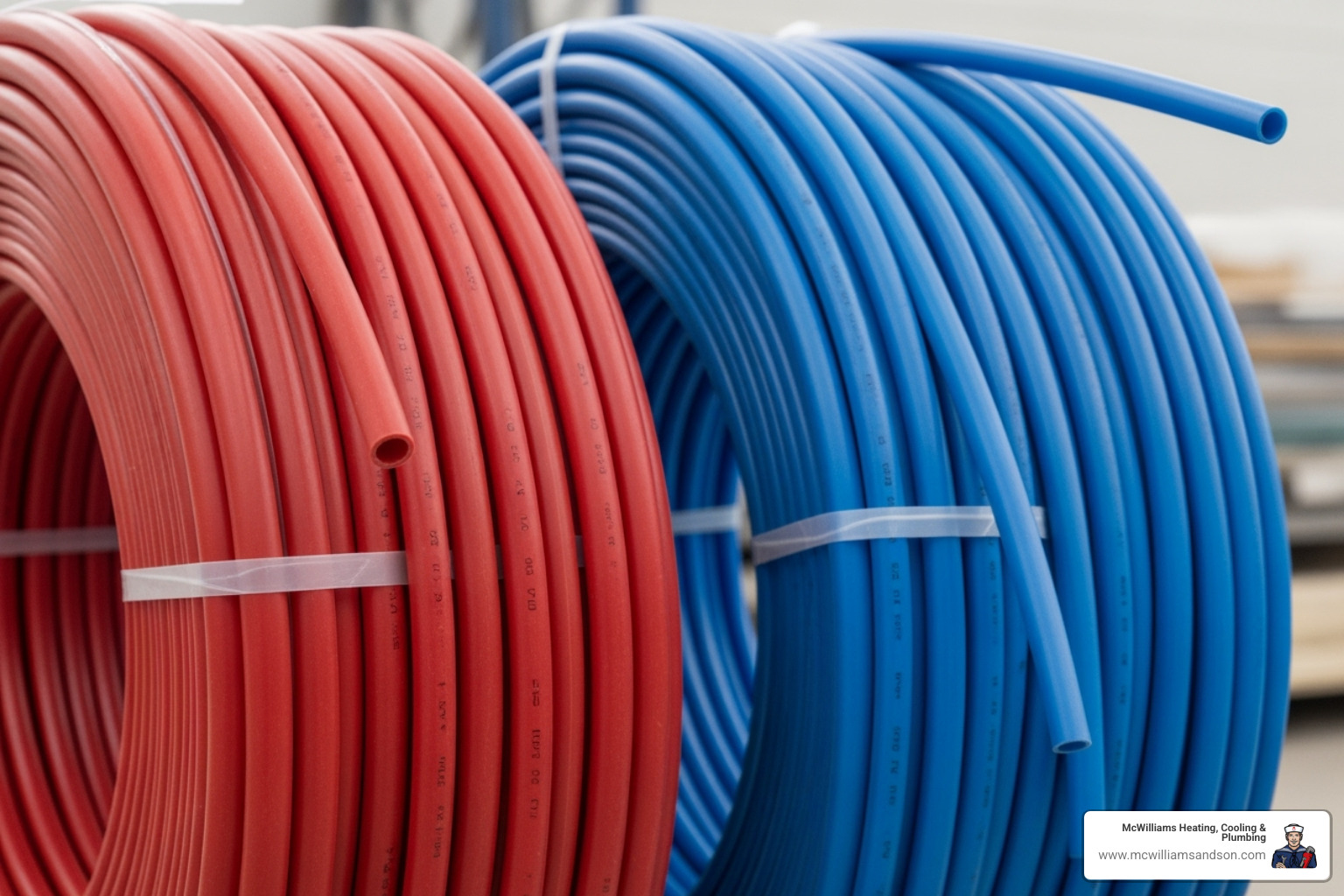
But flexibility is just the beginning. PEX offers incredible corrosion resistance – it simply doesn’t rust, pit, or build up mineral deposits like metal pipes do. Your water stays clean, your flow rate stays consistent, and you don’t wake up one day to find rusty water coming out of your faucets.
Here in Texas, we know a thing or two about unexpected freezes. PEX’s freeze resistance is a game-changer because it can actually expand slightly when water freezes inside it. While no pipe is truly freeze-proof, PEX is much less likely to burst than rigid pipes, potentially saving you thousands in water damage.
Perhaps best of all, PEX is remarkably cost-effective. The material costs significantly less than copper, and because installation is so much simpler and faster, labor costs drop dramatically too. It’s a win-win situation that makes home repiping with pex accessible to more homeowners.
PEX vs. Traditional Pipes: A Head-to-Head Comparison
When you’re considering a home repiping with pex project, it helps to see exactly how PEX measures up against the pipes it’s replacing. Copper has been the gold standard for decades, but PEX brings some compelling advantages to the table.
| Metric | PEX | Copper |
|---|---|---|
| Material Cost | Significantly less expensive | More expensive |
| Installation | Low labor cost, flexible, fewer fittings, no soldering, minimal wall damage | High labor cost, rigid, requires soldering, fire hazard, extensive wall damage for installation |
| Lifespan | 50+ years, resistant to corrosion and mineral buildup | 50+ years (can be shortened by water chemistry), susceptible to corrosion and pinhole leaks |
| Freeze Res. | Flexible, expands without bursting | Rigid, prone to bursting |
| Corrosion Res. | Excellent, impervious to corrosion, pitting, and scale | Susceptible to corrosion in acidic or high-mineral water, leading to Fixing Pinhole Leaks in Copper Pipes |
The installation differences alone are pretty dramatic. With copper, you’re dealing with torches, solder, and the very real risk of accidentally setting something on fire. PEX connections use simple crimping or expansion tools – no flames required. Plus, PEX’s flexibility means you can often run continuous lengths of pipe, reducing the number of connections that could potentially leak later.
CPVC (chlorinated polyvinyl chloride) is another option you might encounter, but it has its own drawbacks. While cheaper than copper, CPVC is still rigid like copper, making installation more challenging. It can also become brittle over time, especially when exposed to high temperatures or certain chemicals. PEX generally offers better long-term durability and easier installation than CPVC.
The Advantages of a PEX Manifold System
Here’s where PEX really gets exciting – the manifold system. Think of traditional plumbing like a tree: one main trunk comes into your house, then branches split off repeatedly to reach all your fixtures. If there’s a problem with any branch, everything downstream gets affected.
A PEX manifold system works more like a central distribution hub. One main water line feeds into the manifold, and then individual PEX lines run directly from that central point to each fixture in your house. This “home-run system” creates some pretty amazing benefits.
Individual fixture shut-offs might be the most practical advantage. Each line from the manifold gets its own shut-off valve, so when your bathroom faucet starts leaking, you can turn off just that fixture at the manifold. No more shutting down water to the entire house just to fix one problem.
Consistent water pressure is another huge win. Since each fixture gets its own dedicated line from the manifold, you’re much less likely to experience those annoying pressure drops. You know that moment when someone flushes a toilet while you’re in the shower? With a manifold system, that’s largely a thing of the past.
The manifold system also enables faster hot water delivery. Hot water travels directly from the hot water manifold to your fixture without making detours through other pipes. This can reduce wait times and save both water and energy.
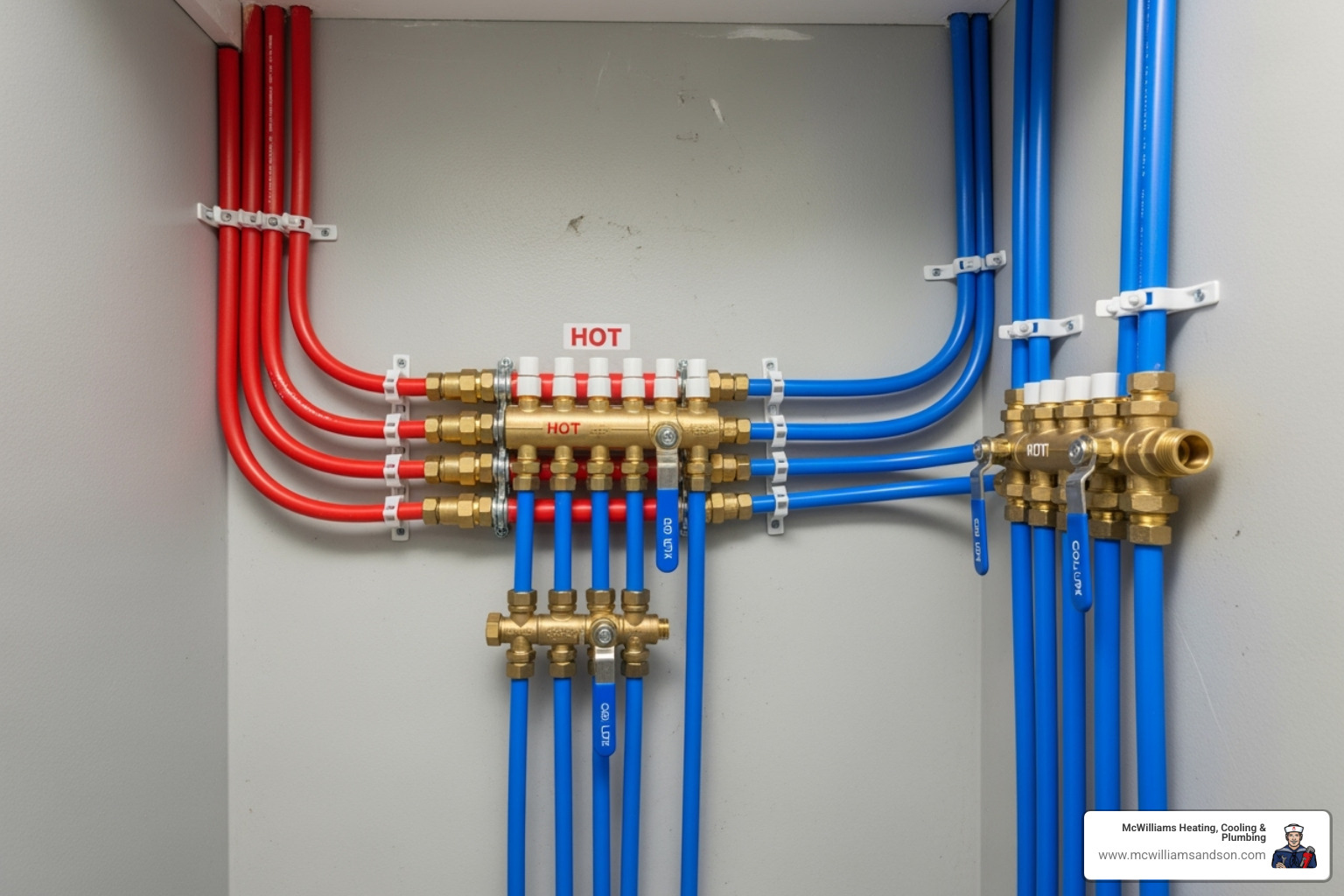
Perhaps most importantly, the manifold system reduces the number of connections hidden behind your walls. Since most plumbing failures happen at connection points, fewer hidden connections mean fewer potential problems down the road. It’s like having a more reliable, easier-to-maintain plumbing system built right into your home’s design.
The Complete Guide to a Home Repiping with PEX Project
Planning a home repiping with pex project is more straightforward than you might think. The beauty of PEX is its simplicity: no torches, no soldering, and significantly less wall damage than traditional copper installations.
The process breaks down into three main phases: careful planning (including permits and gathering materials), the actual installation work, and final cleanup. Most homeowners are pleasantly surprised by how quickly the project moves along, especially compared to the horror stories they’ve heard about copper repiping jobs that drag on for weeks.
Whether you’re considering a DIY approach or hiring professionals, understanding what’s involved helps you make the best decision for your situation and budget. The timeline is typically much shorter than you’d expect – we’re talking days, not weeks.
Planning Your Project: Permits, Tools, and Materials
Before you touch a single pipe, let’s talk about the paperwork. Yes, I know – permits aren’t exactly exciting, but they’re absolutely essential. Local building codes exist to protect you and your family, and skipping permits can lead to expensive headaches down the road. Imagine trying to sell your home only to find unpermitted plumbing work that needs to be redone!
Permit requirements vary significantly by location. Some areas are more relaxed about homeowner DIY work, while others require licensed professionals for any major plumbing changes. Always check with your local building department first – it’s a quick phone call that can save you thousands in potential fines or rework.
Now for the fun part – gathering your tools. PEX installation requires some specific equipment, but nothing too intimidating. You’ll need a PEX cutter for clean, square cuts (trust me, jagged cuts lead to leaky connections), and some type of joining tool – either crimping, clamping, or expansion tools depending on which method you choose.
The expansion method is often considered the gold standard because it doesn’t reduce the pipe’s inner diameter and is more forgiving of installation mistakes. However, the tools cost more upfront. Crimping tools are more budget-friendly and perfectly reliable when used correctly. Don’t forget a deburring tool to smooth those cut edges – it’s a small step that makes a big difference in connection quality.
For materials, you’ll be choosing between PEX-A and PEX-B tubing. PEX-A offers superior flexibility and freeze resistance, making it easier to work with, especially in tight spaces. You’ll also need the right fittings (brass are more durable, plastic are more affordable), and if you’re going with a manifold system, plan for that central distribution hub plus all those individual runs to each fixture.
The PEX Joining Methods Guide provides detailed technical information about different connection methods if you want to dive deeper into the specifics.
DIY vs. Hiring a Professional for your home repiping with pex
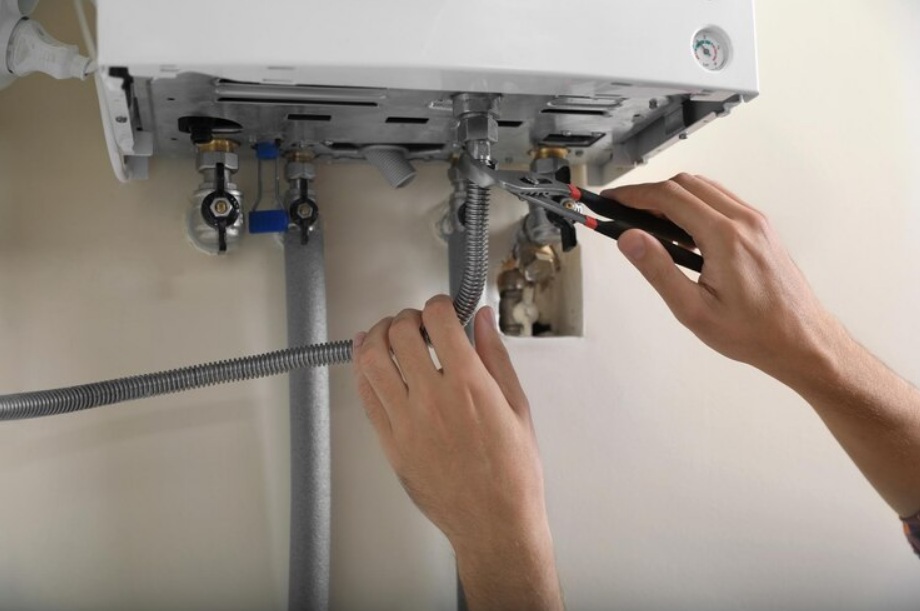
The DIY route definitely has appeal, especially when you’re looking at potential labor savings of several thousand dollars. PEX is genuinely more DIY-friendly than copper – no fire hazards from torches, no complex soldering skills required, and the flexible tubing can often be “fished” through walls without major demolition.
The basic steps seem straightforward enough: shut off your main water supply, drain the existing system, carefully measure and cut your new PEX runs, and connect everything with your chosen fitting method. Many weekend warriors successfully complete their own home repiping with pex projects.
But let’s be honest about the potential challenges lurking behind those walls. Hidden leaks are incredibly common – what looks like a small drip might actually indicate extensive water damage or additional corroded sections that need replacement. Accessing pipes can turn into a nightmare, especially in older homes where plumbing takes mysterious routes through walls, under floors, or into tight crawlspaces that seem designed to torture human beings.
Then there are the unexpected findies that can blow your budget. Maybe that “simple” bathroom line replacement reveals rotted floor joists, or perhaps the pipe routing is completely different from what you expected. These surprises can quickly turn a weekend project into a month-long ordeal.
So when should you call in professional help? If your home has multiple stories, complex layouts, or you’re dealing with challenging access points, professional expertise becomes invaluable. Code compliance is another major consideration – professionals know the local requirements inside and out, ensuring your new system passes inspection the first time.
Perhaps most importantly, there’s the peace of mind factor. When we complete a home repiping with pex project, it comes with warranties and the confidence that comes from decades of experience. We’ve seen every possible complication and know how to handle them efficiently.
If you’re leaning toward hiring professionals, our guide on 10 Things to Look For When Choosing a Plumber can help you make the right choice. For complex issues like Expert Under Slab Leak Detection, professional expertise isn’t just helpful – it’s essential.
What to Expect: Timeline and Special Considerations
Here’s where PEX really shines – the timeline is remarkably quick. Most home repiping with pex projects require just 1-3 days for the actual plumbing work, depending on your home’s size and complexity. Compare that to copper installations that can drag on for a week or more, and you’ll appreciate PEX’s efficiency.
The speed comes from PEX’s flexibility. Instead of cutting large access holes and rebuilding entire wall sections, installers can often route PEX through existing openings with minimal damage. After the plumbing is complete, there’s typically another day or two for wall patching and painting – and then you’re back to normal life with brand-new plumbing.
Older homes do present some unique considerations. If you’re replacing galvanized pipes that have been slowly choking your water flow for decades, the improvement in water pressure and quality will be dramatic. Galvanized steel becomes increasingly restricted over time as corrosion builds up inside the pipes – switching to PEX is like giving your plumbing system a complete lung transplant.
Polybutylene pipes, common in homes built between the 1970s and 1990s, are another story entirely. These pipes are notorious for sudden failures due to chemical breakdown, making replacement urgent rather than optional. PEX provides a permanent solution to this ticking time bomb.
Unique construction types require special planning. Log homes might need creative routing solutions since traditional wall access isn’t available. Slab foundations often mean pipes are encased in concrete, requiring either trenching or routing through attic spaces. PEX’s flexibility makes it ideal for these challenging installations – try threading rigid copper pipe through a cramped attic space, and you’ll quickly appreciate the difference!
The bottom line? While every home is different, PEX’s forgiving nature and quick installation make even complex repiping projects much more manageable than traditional alternatives.
Understanding the Cost of PEX Repiping
Let’s talk numbers – because we know that’s probably what brought you here! When homeowners start considering a home repiping with pex project, the first question is almost always about cost. The good news? PEX repiping typically offers excellent value compared to traditional copper, giving you a modern plumbing system without breaking the bank.
Most home repiping with pex projects fall somewhere between $3,500 and $11,000, with the sweet spot averaging around $6,785 based on recent industry data. Now, before you start budgeting, your home is unique. That cozy 1,200 square foot bungalow will cost significantly less than a sprawling 4,000 square foot family home. The key to getting an accurate estimate is having a professional assess your specific situation – not just guess based on averages.
Think of it this way: you’re not just paying for new pipes. You’re investing in consistent water pressure, clean water, and decades of leak-free peace of mind. When you factor in the potential costs of ongoing repairs with aging pipes, PEX repiping often pays for itself over time.

Key Factors That Influence the Final Price
Every home tells a different story, and that story directly impacts your repiping cost. Understanding these factors helps you set realistic expectations and avoid sticker shock.
Home size is the most obvious factor. A compact home under 2,200 square feet might run around $5,837, while a larger family home between 2,500-3,500 square feet typically costs around $8,981. Those impressive 4,500-6,000 square foot homes? You’re looking at roughly $13,732. More space simply means more pipe, more labor, and more time.
The number of fixtures in your home matters too. Each bathroom, kitchen sink, washing machine hookup, and outdoor spigot adds to the complexity. Homes with fewer than 9.5 fixtures average around $4,614, while those with 11.5-14.5 fixtures jump to about $7,814. It’s not just about counting rooms – it’s about counting every place water comes out.
Here’s where things get interesting: pipe accessibility can make or break your budget. Do you have a nice, roomy crawlspace where plumbers can work comfortably? Great! Is your home built on a concrete slab with pipes buried underneath? That’s more challenging and expensive. Attic access is usually manageable, but tight spaces mean more labor hours and potentially creative routing solutions.
Permit costs vary dramatically depending on your location. Some areas might charge $50, others $500 or more. It’s not optional though – proper permits ensure your work meets safety codes and protects your home’s resale value. For specific local costs, check out our guide on What is the Cost of Plumbing in Huntsville, TX?.
Drywall and repair work rounds out the major cost factors. While PEX’s flexibility minimizes wall damage compared to rigid copper installation, some openings are inevitable. The good news? These repairs are typically straightforward and much less extensive than traditional repiping projects.
Smart Tips for a Cost-Effective home repiping with pex
Nobody wants to overpay for plumbing work, and frankly, you shouldn’t have to. Here are some proven strategies to keep your home repiping with pex project budget-friendly without cutting corners on quality.
Choosing PEX itself is your first smart move. The material costs less than copper, installs faster, and requires fewer wall openings. That triple savings – material, labor, and repairs – adds up quickly. It’s like getting a premium plumbing system at economy prices.
Timing your project strategically can save you hundreds or even thousands. Planning a kitchen renovation next year? Consider repiping first, so you’re not paying twice to open and repair the same walls. Already dealing with a bathroom remodel? Perfect timing to upgrade those water lines while everything’s already torn apart.
Getting multiple estimates isn’t just smart – it’s essential. But here’s the catch: make sure you’re comparing apples to apples. Some contractors quote low and then surprise you with add-ons for permits, wall repairs, or cleanup. Others include everything upfront. Ask specifically what’s included in each quote.
Understanding turnkey pricing protects you from nasty surprises. A proper estimate should cover everything from materials and labor to permits, wall patching, and even paint touch-ups. At McWilliams, we believe in transparent, comprehensive pricing. When we give you a quote, that’s what you’ll pay – no hidden fees or surprise charges.
The bottom line? A home repiping with pex project is an investment in your home’s future. With smart planning and the right contractor, you can get top-quality results that fit your budget and give you decades of reliable service.
Frequently Asked Questions about PEX Repiping
When homeowners consider home repiping with pex, we get lots of questions – and honestly, that’s exactly what we want! An informed homeowner makes the best decisions for their family and home. Let’s tackle the most common concerns we hear every day.
How long does PEX piping last?
Here’s some great news: PEX piping has an impressive lifespan of 50+ years under normal operating conditions. That’s potentially longer than many of us will live in our current homes!
What makes PEX so durable? Unlike traditional metal pipes that gradually corrode, develop pinholes, or get clogged with mineral deposits, PEX stays virtually unchanged year after year. It’s completely resistant to corrosion and pitting, which means your water pressure stays consistent and your water quality remains clean.
Think about those old galvanized pipes that turn your morning shower into a rusty trickle – PEX will never do that to you. It maintains its smooth interior surface throughout its entire lifespan, ensuring reliable water flow for decades to come.
Is PEX safe for drinking water?
This is probably our most asked question, and the answer is a resounding yes, PEX is completely safe for drinking water! We understand why people ask – after all, you’re trusting this material to deliver the water your family drinks, cooks with, and bathes in every day.
PEX meets the strictest safety standards in the industry. It’s certified to NSF/ANSI 61 standards, which specifically govern materials used in drinking water systems. This isn’t just a suggestion – it’s a rigorous certification process that ensures the material won’t harm your water quality.
Even better, PEX is completely lead-free. Unlike some older piping systems or even certain brass fittings, there’s no risk of lead leaching into your water supply. The installation process is also cleaner because PEX doesn’t require solvents, glues, or chemical adhesives that could potentially contaminate your water. It’s a truly clean installation from start to finish.
Can PEX pipes freeze and burst?
Living in Texas, we know that unexpected freezes can catch homeowners off guard. While we can’t promise that any pipe is completely “freeze-proof” (physics is physics, after all!), PEX offers exceptional freeze resistance compared to rigid pipes like copper or CPVC.
Here’s what makes PEX special: its flexibility allows the pipe to expand when water freezes inside it. Instead of the pipe cracking or bursting like a rigid copper pipe would, PEX can accommodate that expansion and often survive freezing temperatures intact. When the ice thaws, your pipes are still functional – no emergency plumber needed!
This flexibility makes PEX much less likely to burst than traditional rigid piping materials. We’ve seen countless copper pipe disasters after Texas freeze events, but PEX installations typically weather these storms much better. For detailed information about PEX’s freeze resistance and other important characteristics, check out this comprehensive resource: PEX Plumbing Pipe: Everything You Need to Know.
The peace of mind that comes with freeze-resistant piping is just another reason why home repiping with pex has become so popular with Texas homeowners.
Conclusion: Is a PEX Repipe Right for Your Home?
After walking through everything from costs to installation methods, the answer for most homeowners dealing with aging plumbing is a resounding yes. Home repiping with pex has become the smart choice for Texas homeowners who want a reliable, long-lasting solution without breaking the bank.
Think about it – if you’re constantly dealing with low water pressure that makes your morning shower feel like a drizzle, rusty water that stains your clothes and tastes awful, or frequent leaks that have you on a first-name basis with your emergency plumber, PEX can solve all these headaches in one fell swoop. It’s like hitting the reset button on your entire plumbing system.
The benefits we’ve covered really speak for themselves. You’ll enjoy consistent water pressure throughout your home, even when multiple fixtures are running. No more icy surprises in the shower when someone starts the dishwasher! The corrosion resistance means your water stays clean and fresh-tasting for decades. And with PEX’s impressive freeze resistance, you can sleep better during those unexpected Texas cold snaps.
But here’s what really makes PEX shine – it’s a cost-effective solution that doesn’t sacrifice quality. While the upfront investment of $3,500 to $11,000 might seem significant, consider what you’re getting: a plumbing system that will serve your family reliably for 50+ years. Compare that to constantly patching old pipes or dealing with emergency repairs, and PEX quickly pays for itself.
Beyond solving your immediate plumbing woes, a home repiping with pex project adds real value to your property. Modern buyers appreciate updated plumbing systems, and you’ll have the peace of mind that comes with knowing your home’s infrastructure is solid.
At McWilliams Heating, Cooling & Plumbing, we’ve been helping Texas families upgrade their homes for over 50 years. We’re available 7 days a week because we know plumbing problems don’t wait for business hours. With flexible financing options and free in-home estimates, we make it easy to get the plumbing system your home deserves.
Ready to say goodbye to plumbing headaches? Our team serves the Greater Texas Area, including Katy, Nacogdoches, Lufkin, and Livingston. For a professional evaluation and service that ensures your project is done right, the experts at McWilliams Heating, Cooling & Plumbing can transform your home’s plumbing. For a free estimate, explore our Repiping Services.