
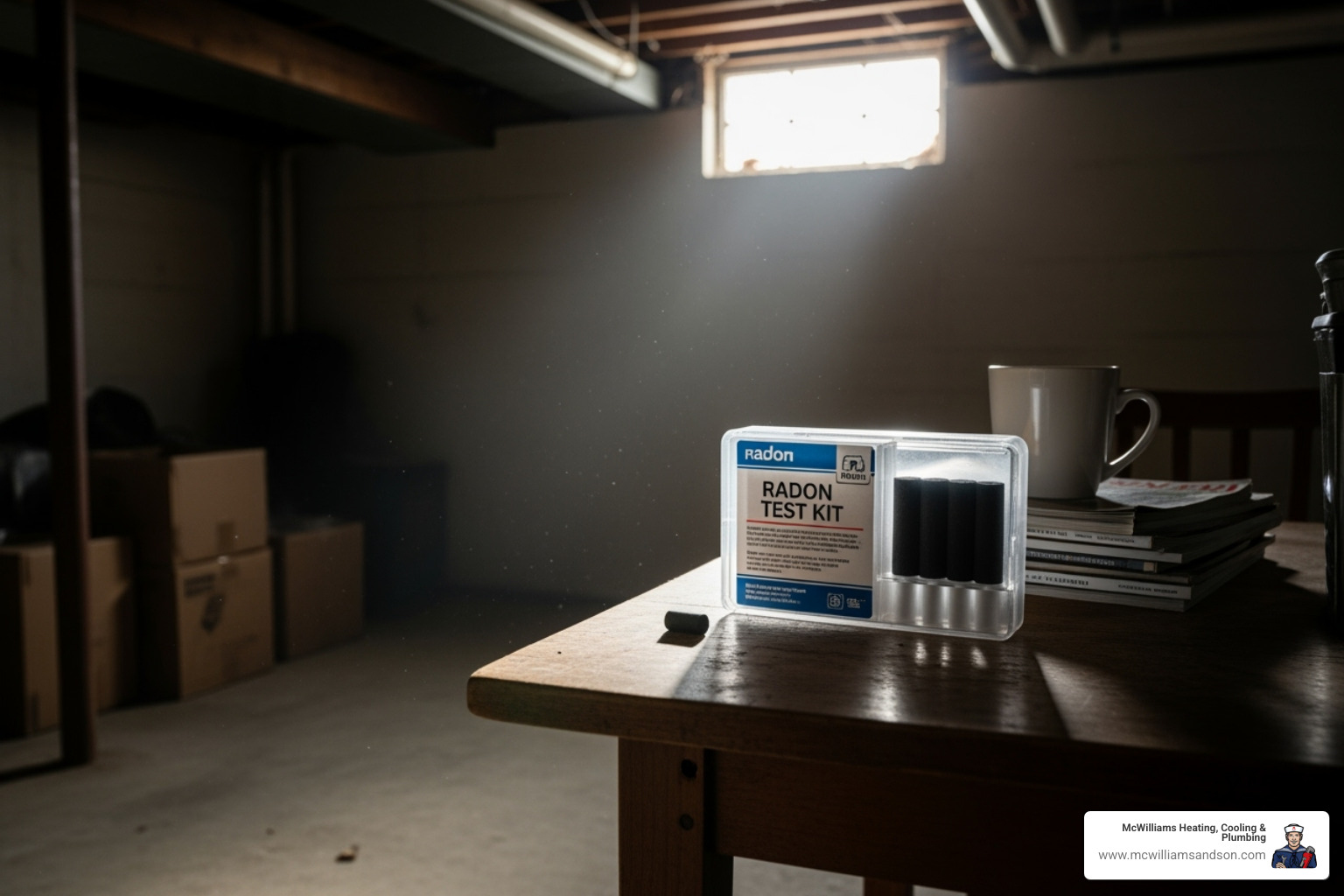
Why Radon Air Quality Matters for Your Home’s Safety
Radon air quality is a critical health concern that affects millions of homes across Texas and the United States. This invisible, odorless gas poses serious risks that every homeowner should understand.
Key Facts About Radon Air Quality:
- #1 cause of lung cancer in non-smokers
- Second leading cause of lung cancer overall
- Responsible for 15,000-22,000 deaths annually in the US
- Found in all homes at some level
- More than 1 in 20 US households have unsafe radon levels
- EPA action level: 4.0 pCi/L or higher requires mitigation
You can’t see, smell, or taste radon gas as it seeps into your home from the earth below. Unlike carbon monoxide, which has warning symptoms, radon exposure has no early signs. The radioactive gas forms naturally when uranium in soil and rock breaks down, entering homes through foundation cracks, construction joints, and other openings.
The health risks are serious. When you breathe radon, radioactive particles get trapped in your lungs and release energy that damages lung tissue. For smokers exposed to high radon levels, the risk becomes even more dangerous – 25 times higher than for non-smokers.
But here’s the good news: radon problems can be fixed. Testing is simple and inexpensive, and effective mitigation systems can reduce dangerous levels by more than 50%. Understanding radon air quality is the first step toward protecting your family’s health and your home’s value.
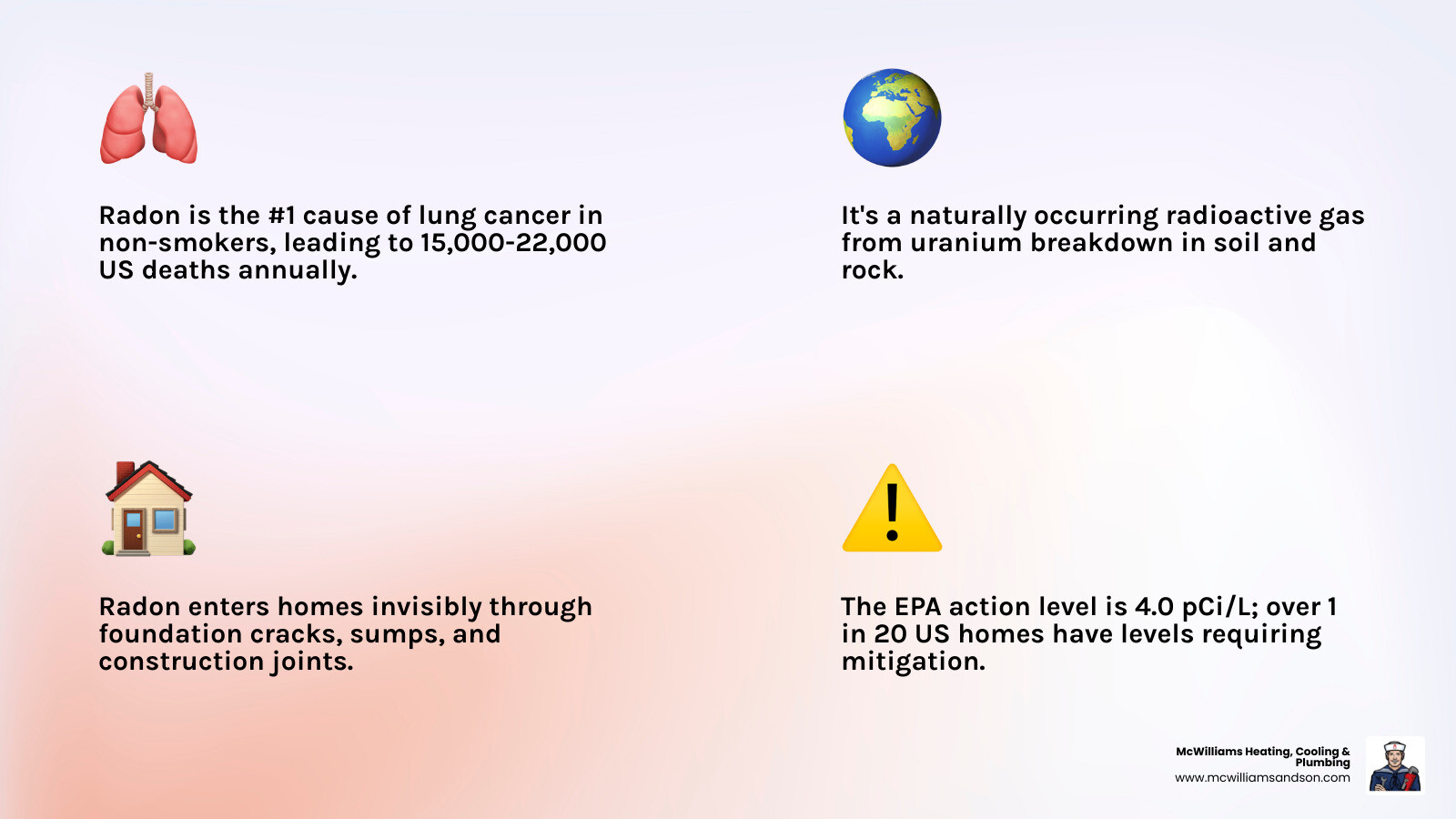
What is Radon? The Invisible Threat in Your Home
Think of radon as nature’s silent intruder. This radioactive gas forms naturally when uranium breaks down in the soil and rock beneath our homes. Unlike other home safety concerns, radon gives you no warning signs – it’s completely odorless, colorless, and tasteless.
What makes radon particularly sneaky is how easily it finds its way into our living spaces. Your home naturally creates a slight vacuum effect, especially during colder months when warm air rises and escapes through the upper levels. This creates negative pressure that literally sucks radon gas up from the ground through any available opening.
The most common entry points include foundation cracks in basement floors and walls, construction joints where different building materials meet, and openings around sump pumps and utility pipes. Even the tiniest pores in concrete block walls can become highways for radon gas.
Once inside, radon doesn’t just pass through like outdoor air. Instead, it gets trapped and builds up in your home’s enclosed spaces, which is why radon air quality becomes such a serious concern for families across Texas.
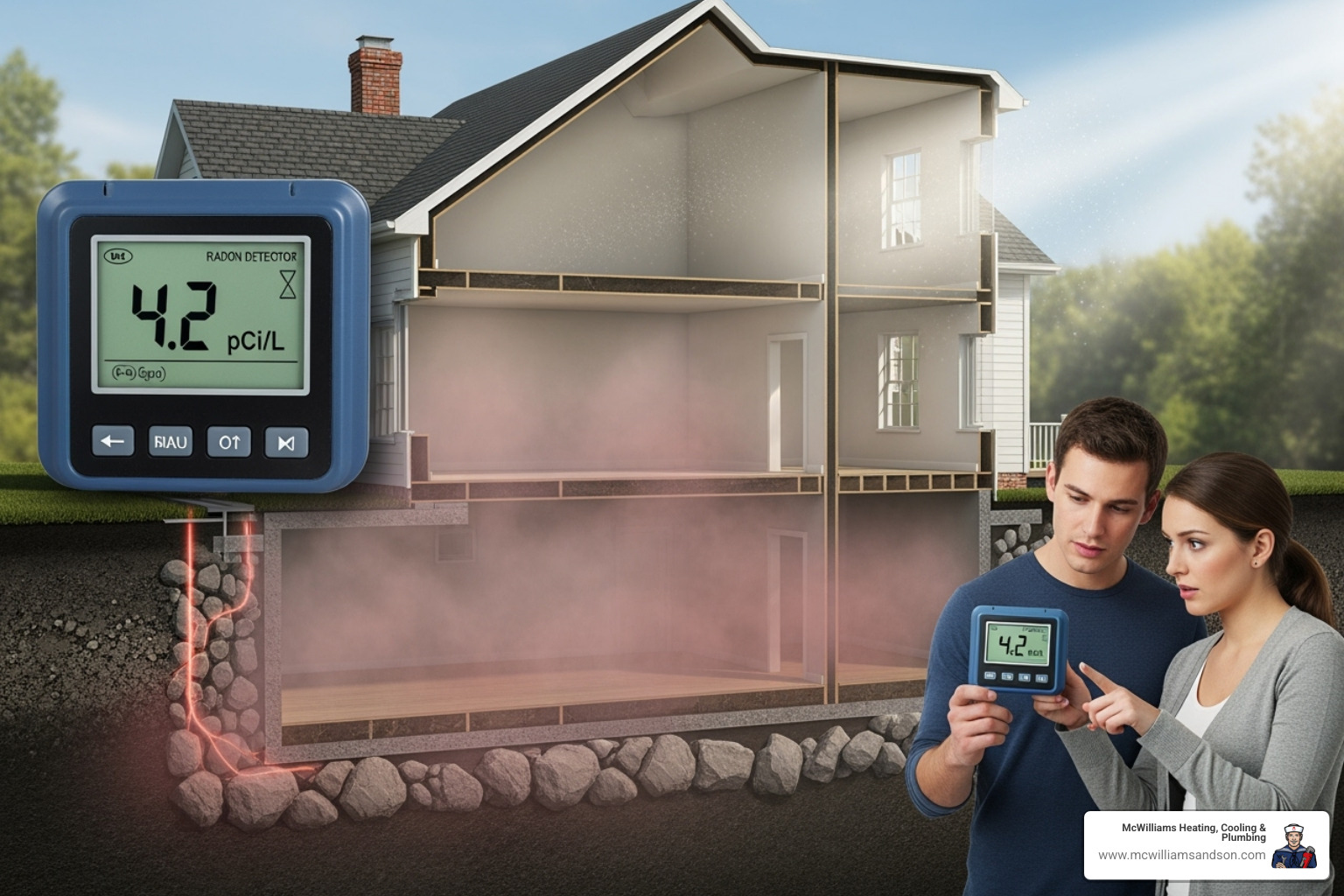
Comparing Indoor vs. Outdoor Levels
Here’s something that might surprise you: we’re all breathing tiny amounts of radon every day, even when we’re outside. Typical outdoor levels hover around a harmless 0.1 to 0.4 pCi/L (picocuries per liter). That’s roughly 5 to 15 Bq/m3 if you’re more familiar with metric measurements.
The problem starts when radon gets trapped indoors. Without the natural ventilation that disperses radon outdoors, concentrations can skyrocket. Typical indoor levels can range from relatively safe amounts all the way up to dangerous levels exceeding 270 pCi/L in some homes.
Weather plays a bigger role than most people realize. When a storm system moves through Texas, dropping barometric pressure, it can actually pull more radon into your home. Heavy rains can also drive radon gas up from saturated soil. Even seasonal changes affect radon levels – many homes show higher concentrations during winter months when windows stay closed and heating systems create more negative pressure.
Your home’s ventilation system becomes your first line of defense. Well-ventilated homes typically have lower radon concentrations, while energy-efficient homes that are tightly sealed might accidentally trap more radon inside. This is why modern HVAC systems need to balance energy efficiency with healthy air circulation.
The Role of Government and Health Organizations
When it comes to protecting families from radon exposure, several major health organizations work together to keep us informed and safe. The EPA has established clear guidelines, recommending action when radon levels reach 4.0 pCi/L or higher. They’ve also designated January as National Radon Action Month to encourage testing and awareness.
The CDC provides extensive information on radon health risks, helping families understand why this invisible gas deserves serious attention. Their research shows that radon exposure causes thousands of preventable lung cancer deaths each year.
The WHO takes a slightly more conservative approach, recommending that countries aim for residential radon levels below 100 Bq/m3 (about 2.7 pCi/L). They recognize that not all regions can achieve this target, so they set 300 Bq/m3 (about 8.1 pCi/L) as an absolute maximum.
These organizations work tirelessly on public awareness campaigns because they know that most families have never tested their homes for radon. Their message is simple but important: testing is the only way to know if your family is at risk, and effective solutions exist when problems are found.
The Serious Health Risks of Radon Exposure
When it comes to radon air quality, the health stakes couldn’t be higher. This invisible gas is responsible for a staggering reality: it’s the #1 cause of lung cancer in non-smokers and the second leading cause overall, trailing only behind cigarette smoking.
The numbers are sobering. Between 15,000 and 22,000 Americans die each year from lung cancer caused by radon exposure. In the UK, this silent killer claims more than 2,000 lives annually. What makes these statistics even more heartbreaking is that many of these deaths are completely preventable through proper testing and mitigation.
Here’s what happens inside your body when you’re exposed to poor radon air quality: As radon gas naturally decays, it creates tiny radioactive particles called radon progeny. When you breathe these particles into your lungs, they become trapped in the delicate lung tissue. These particles continue breaking down, releasing alpha radiation that directly attacks your DNA. Over time, this cellular damage can trigger the uncontrolled cell growth that leads to cancer.
The truly frightening aspect of radon exposure is its stealth nature. Unlike carbon monoxide poisoning or other indoor air hazards, radon has no early symptoms. There’s no cough, no headache, no warning sign that tells you something’s wrong. Even lung cancer itself often develops silently – about 15% of patients have no symptoms when first diagnosed. By the time you notice a persistent cough, chest pain, or shortness of breath, the disease may have already progressed significantly.
This is exactly why testing your home is so critical. It’s literally the only way to know if your family is at risk. For comprehensive information about radon’s impact on lung health, The American Lung Association on radon provides excellent resources.
Radon and Smoking: A Dangerous Combination
If you thought radon was dangerous on its own, the combination of radon exposure and smoking creates a truly deadly partnership. This isn’t just adding one risk to another – it’s what scientists call a synergistic effect, where the combined danger far exceeds what you’d expect from either hazard alone.
The statistics paint a stark picture of this dangerous combination. A lifelong smoker already faces about a 1 in 10 chance of developing lung cancer. But when that same smoker lives in a home with high radon levels, their risk jumps dramatically to 1 in 3. That’s a 25 times higher risk compared to non-smokers exposed to the same radon levels.
For perspective, a non-smoker’s lifetime risk in a high-radon environment sits at about 1 in 20 – still serious, but nowhere near the catastrophic odds facing smokers. The reason for this amplified danger lies in how the two hazards work together. Radioactive radon particles actually attach themselves to smoke particles, making them easier to inhale deeply and deposit in lung tissue where they cause maximum damage.
If you’re a smoker concerned about radon air quality, addressing both risks gives you the best chance of protecting your health. Quitting smoking while also testing and mitigating radon levels provides the most significant reduction in your lung cancer risk.
Other Potential Health Concerns
While lung cancer remains the primary and most documented health threat from radon exposure, emerging research suggests we may need to consider additional risks, particularly for our most vulnerable populations – children and the elderly.
Recent studies have begun exploring a possible connection between radon and childhood leukemia. A significant 2022 study examining 727 counties across 14 U.S. states found concerning evidence that even radon levels below the EPA’s action threshold might increase leukemia risk in children. This research highlights how long-term exposure effects on developing bodies may be more complex than we previously understood.
Children are especially vulnerable because their cells divide more rapidly during growth, potentially making them more susceptible to radiation damage. Similarly, elderly individuals may have compromised immune systems that are less capable of repairing cellular damage from radioactive exposure.
The bottom line is straightforward: any exposure to radioactive elements like the polonium and lead produced by radon decay carries some level of risk. While we’re still learning about the full spectrum of radon’s health impacts, the principle of minimizing exposure makes sense for your family’s overall wellbeing.
Taking proactive steps to improve your home’s radon air quality isn’t just about preventing lung cancer – it’s about creating the safest possible environment for everyone under your roof, especially those who need protection most.
Your Guide to Radon Air Quality Testing and Mitigation
Taking proactive measures to address radon air quality in your home is one of the smartest investments you can make in your family’s health and safety. Think of it like getting a smoke detector – you hope you’ll never need it, but you sleep better knowing it’s there protecting you. The wonderful news is that testing for radon doesn’t require any special skills, and if you do find liftd levels, effective solutions are readily available to bring them down to safe ranges.
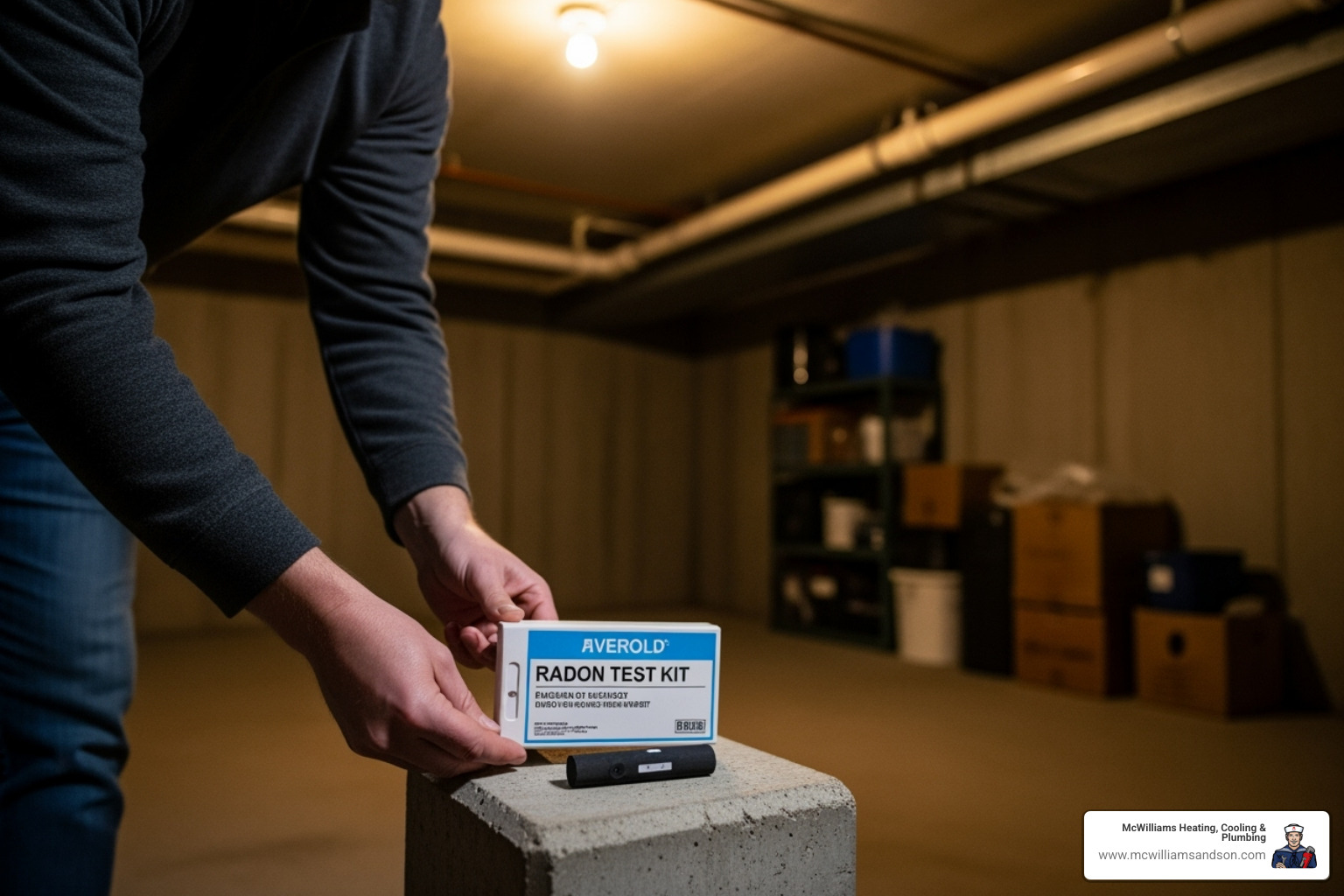
How to Test Your Home for Radon
Since radon is completely invisible and odorless, testing is literally the only way to know if your home has dangerous levels. It’s kind of like checking your blood pressure – you can feel perfectly fine but still need that measurement to know what’s really going on.
You have two main testing options to choose from. Short-term tests stay in your home anywhere from two to 90 days. These are perfect when you need results quickly, like during a home sale, or just want an initial screening. Common types include charcoal canisters and alpha track detectors that you can pick up at most home improvement stores.
Long-term tests remain in place for more than 90 days, giving you a much more accurate picture of your home’s average radon levels throughout different seasons. Weather changes, heating and cooling patterns, and even how often you open windows can all affect radon levels, so these longer tests smooth out those fluctuations.
For the most reliable results, we always recommend going with a long-term test for at least three months. Think of it this way – you wouldn’t judge someone’s personality based on meeting them once on a bad day, right? Same principle applies to your home’s radon levels.
You can either grab a DIY test kit for around $30 to $60 or hire a certified professional. The DIY route is perfectly fine for most homeowners – the kits come with clear instructions and include lab analysis. If you prefer having an expert handle everything, look for someone certified by the National Radon Proficiency Program.
Proper placement makes all the difference. Always test in the lowest level of your home that people actually use regularly – meaning at least four hours per day. So if you have a finished basement with a family room, test there. But if your basement is just for storage, test on your main floor instead.
Place the detector at least 20 inches off the floor, away from drafts, heat sources, and exterior walls. Keep your normal heating and cooling running, but avoid using fans that bring in outside air during the test period. And here’s something that surprises many homeowners – even if your neighbor’s house tested low, yours could be completely different due to unique soil conditions or how your home was built.
Understanding Your Radon Test Results
Getting your test results back can feel a bit like waiting for medical test results – you’re hoping for good news but want to understand what the numbers actually mean. Radon levels are measured in picocuries per liter (pCi/L) here in the United States, or Becquerels per cubic meter (Bq/m3) internationally.
The EPA action level is 4.0 pCi/L or higher. If your results come back at or above this level, it’s time to take action to reduce your home’s radon levels. This isn’t a suggestion – it’s a strong recommendation based on serious health risks.
Interestingly, the World Health Organization takes an even more cautious approach. They recommend keeping levels below 2.7 pCi/L if possible, and never exceeding 8.1 pCi/L. Health Canada splits the difference with their guideline of 5.4 pCi/L.
Here’s something important to understand: there’s no such thing as a “safe” level of radon. Even levels below 4.0 pCi/L carry some risk. If your results fall between 2.0 and 4.0 pCi/L, you might still want to consider mitigation, especially if you have young children or family members who smoke.
If your test shows high levels, take a deep breath. This isn’t a disaster – it’s a problem with proven solutions. Thousands of homes across Texas deal with liftd radon levels successfully every year.
Effective Methods for Improving Radon Air Quality
When your radon air quality testing reveals liftd levels, the next step is choosing the right mitigation approach. The great news is that modern radon reduction systems can typically cut levels by more than 50%, often bringing dangerous concentrations down to safe ranges.
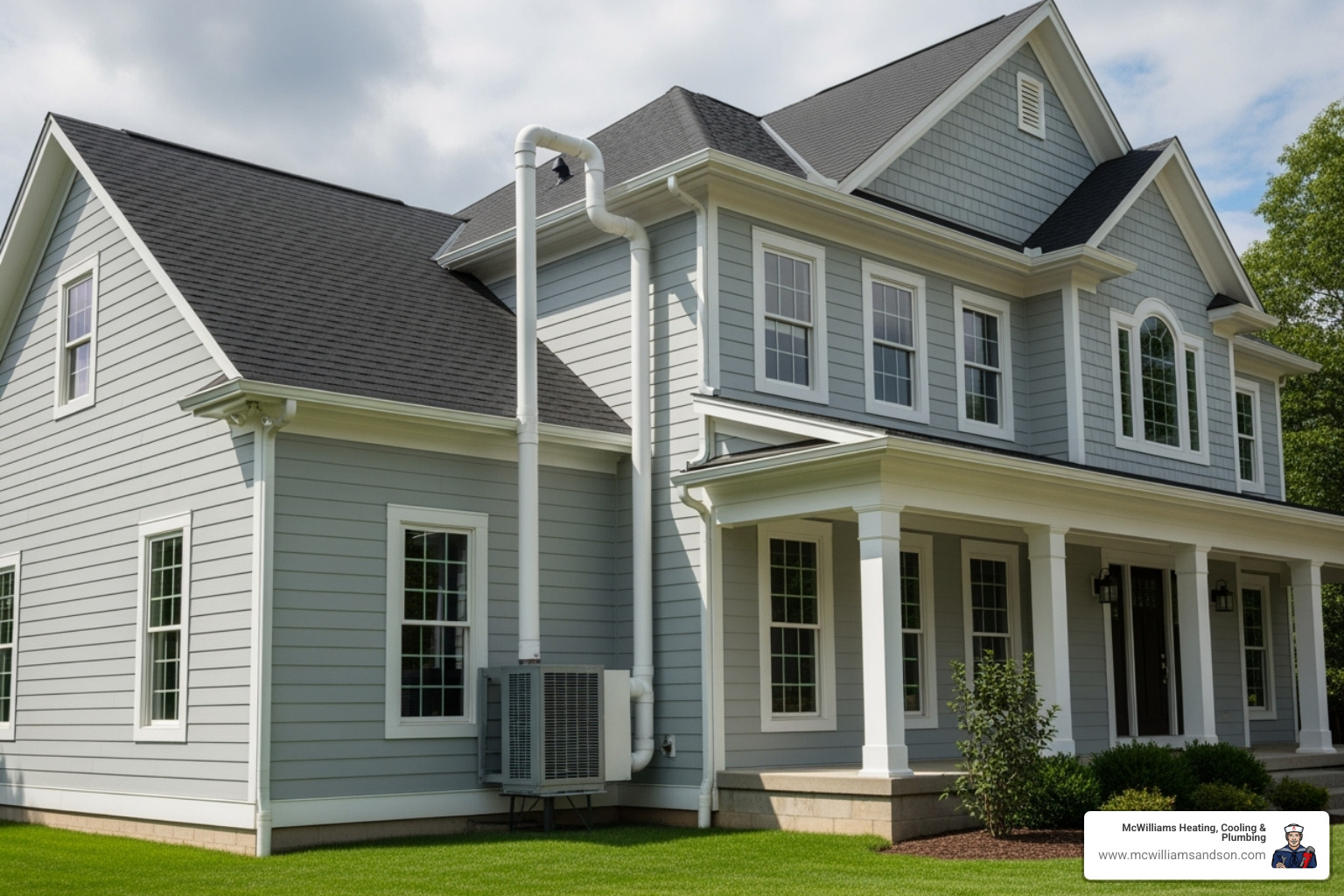
The gold standard for most homes is sub-slab depressurization. This system works like a gentle vacuum cleaner under your foundation. A qualified contractor installs a vent pipe that goes through your foundation slab and into the soil beneath your home. A quiet fan draws radon gas from under the house and vents it safely outside above your roofline, where it disperses harmlessly into the atmosphere.
If you have a crawl space, encapsulation might be your best bet. This involves covering the dirt floor with heavy-duty plastic sheeting and sealing it to the foundation walls. A vent pipe and fan then pull air from beneath this barrier, preventing radon from creeping up into your living spaces.
Sealing cracks and openings around your foundation is always part of any good mitigation plan. While it won’t solve a radon problem by itself, it helps other systems work more effectively and reduces the amount of radon trying to get in.
For newer, tightly built homes, heat recovery ventilators can help by bringing in fresh outdoor air while exhausting stale indoor air. These systems recover heat from the outgoing air, so you’re not wasting energy. While they’re great for overall indoor air quality, they’re usually used alongside other radon reduction methods rather than as a standalone solution.
If you’re building a new home, incorporating radon-resistant construction techniques during construction is much more cost-effective than retrofitting later. These techniques include installing a gas-permeable layer beneath the foundation, plastic sheeting as a vapor barrier, sealed foundation openings, and a vent pipe that extends through the roof. Many areas with higher radon potential now require these features in their building codes.
Even with preventative measures in new construction, testing after you move in is still essential. Studies show that basic preventative techniques only reduce radon levels by about 40%, which might not be enough if your soil has particularly high radon levels.
The key is working with experienced professionals who understand both radon mitigation and how it integrates with your home’s heating, cooling, and ventilation systems. Proper installation ensures your radon system works effectively without creating other indoor air quality issues.
Frequently Asked Questions about Radon
We understand that radon air quality can raise many questions for homeowners. Here are the answers to some of the most common concerns we hear from families across Texas.
How does radon in drinking water compare to radon in the air?
You might be surprised to learn that radon can show up in your drinking water too, especially if you get your water from a private well. But here’s what you really need to know: breathing radon is much more dangerous than drinking it.
The main health risk comes from inhaling radon gas, not from swallowing it in water. When you take a hot shower, run the dishwasher, or do laundry, radon dissolved in the water gets released into your home’s air. This actually adds to your overall indoor radon air quality levels.
While drinking radon-contaminated water does carry a small risk for stomach and other internal cancers, the amount you inhale from that same water is typically much higher and poses the greater threat to your health.
If you have a private well and you’re concerned, you can test your water for radon. Municipal water systems handle radon treatment when necessary, but well owners need to take care of this themselves. Solutions like aeration systems or activated carbon filters can effectively reduce radon in your water supply.
Can radon levels change over time?
Absolutely! This is one of the most important things to understand about radon – it’s not a “test once and forget” situation. Your home’s radon levels can fluctuate quite a bit over time.
Seasonal changes are probably the biggest factor. Winter months often bring higher radon levels because we keep our homes sealed up tight against the cold. Your heating system also creates stronger air currents that can pull more radon up from the soil beneath your home.
Weather patterns play a role too. When barometric pressure drops before a storm, you might see a temporary spike in indoor radon levels. Heavy rains and changing wind patterns can also affect how radon moves from the ground into your house.
Any home renovations or changes can shake things up as well. Maybe you finished your basement, added an extension, or installed new exhaust fans. These modifications can change air pressure patterns and affect how radon enters your home.
Even something as simple as changing how you use your space matters. If that basement storage area becomes your new home office, you’ll want to test it since it’s now a “lived-in” area.
Climate change is adding another wrinkle to this picture. As homes become more tightly sealed for energy efficiency and as environmental conditions change, radon patterns may shift in ways we’re still learning about.
The bottom line? It’s smart to retest your home every few years, especially after major changes. Continuous radon monitors can give you ongoing peace of mind by tracking levels over time.
Will a radon mitigation system affect my home’s value?
Here’s some great news: a radon mitigation system typically helps your home’s value rather than hurting it. Think of it like having a new HVAC system or updated plumbing – it’s a valuable home improvement that shows you care about safety and maintenance.
High radon levels are completely fixable. A professional mitigation system usually costs between $2,000 and $4,000 – a small investment compared to your home’s overall value. Once it’s installed, it can reduce dangerous radon levels by more than 50%, often bringing them well below the EPA’s action level.
Protecting your investment is key here. Imagine trying to sell a home with known high radon levels and no mitigation system. Potential buyers might walk away or demand significant price reductions. But a home with an existing, properly functioning system? That removes a major concern for buyers.
Disclosure requirements in many areas mean you’ll need to share known radon issues anyway. Having a mitigation system shows you’ve been responsible and proactive about addressing the problem.
Today’s buyers are increasingly focused on health and safety features. A radon mitigation system demonstrates your commitment to creating a healthy living environment – something that resonates strongly with families looking for their next home.
Most importantly, you’re investing in peace of mind for both your family now and future owners. Knowing that your indoor radon air quality is safe and protected is invaluable, whether you’re staying put or planning to sell.
Conclusion: Protecting Your Family and Your Home
Radon air quality doesn’t have to be a source of worry once you understand the facts and take action. Throughout this guide, we’ve explored how this invisible, odorless gas can silently accumulate in our homes, creating serious health risks – particularly as the #1 cause of lung cancer in non-smokers and the second leading cause overall.
The reality is sobering: radon seeps into homes through foundation cracks, construction joints, and other openings, building up to dangerous levels without any warning signs. The radioactive particles damage lung tissue over time, and for smokers, the risk becomes even more alarming – 25 times higher than for non-smokers.
But here’s what gives us hope: radon problems are completely fixable. Testing your home is simple and affordable, and if high levels are found, proven mitigation techniques can reduce concentrations by more than 50%. Systems like sub-slab depressurization work reliably, and many homeowners are surprised by how unobtrusive these solutions can be.
The key is taking that first step – testing is the only way to know your family’s risk. Whether you choose a DIY kit or work with a certified professional, this small investment in knowledge can make a tremendous difference in your family’s long-term health.
At McWilliams Heating, Cooling & Plumbing, we’ve spent over 50 years helping families across the Greater Texas Area create healthier, more comfortable homes. From Katy to Nacogdoches, Lufkin to Livingston, we understand that your family’s safety comes first. That’s why we’re available 7 days a week with flexible financing options and free in-home estimates – because protecting your indoor air quality shouldn’t wait.
Don’t let radon remain the invisible threat in your home. Take action today, breathe easier tomorrow, and give your family the peace of mind they deserve.