

Blog
Home || Blog
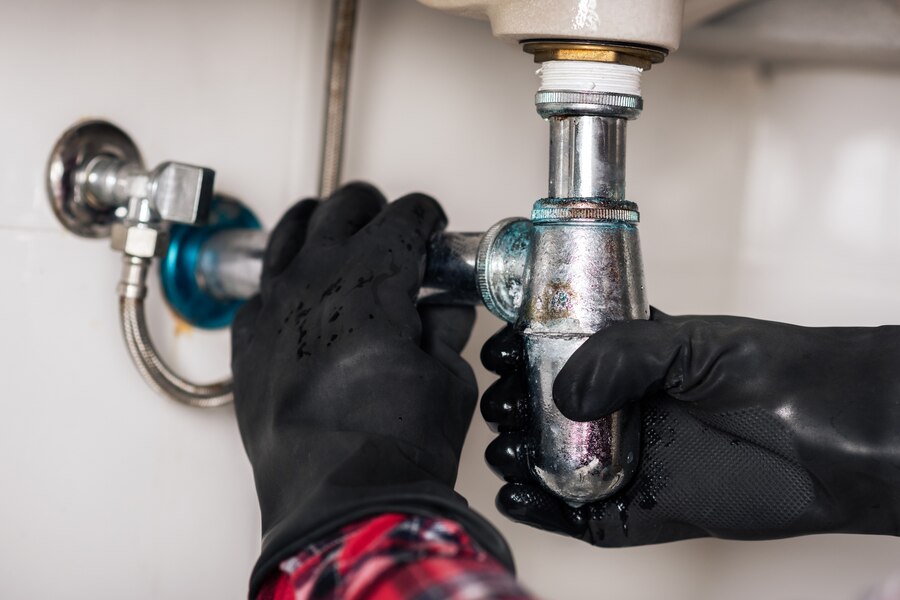
A leaking sink P-trap is one of those problems homeowners in Lufkin don’t usually notice until it becomes unavoidable. You might open your cabinet to grab cleaner or spare supplies and find a puddle on the bottom shelf. Then comes the musty smell, water stains, or even cabinet damage. The P-trap might be small, but problems with it can lead to daily inconvenience and long-term repairs if not addressed quickly and correctly.
The P-trap is the curved section of pipe under your sink. It gets its name from its shape and plays an important role in your plumbing. It holds a small amount of water, which acts as a barrier between your home and the sewer system. If this trap isn’t sealed or working properly, water can leak out and odors can come right in. For Lufkin homeowners, knowing what causes the P-trap to leak and how to identify issues early can go a long way in keeping your plumbing working the way it should.
Common Causes of P-Trap Leaks
P-trap leaks are usually the result of a few specific problems. These issues can show up in homes of any age and size, and they don’t always look the same. If your sink smells off, has standing water beneath it, or leaks every time you run water, one of these causes could be to blame.
Here are the most common reasons your P-trap might be leaking:
– Loose Connections: Over time, the nuts and fittings that connect your P-trap to the rest of the drainage system may loosen. Even a small gap can lead to steady dripping when water is running through the sink.
– Corroded Metal P-Traps: Older or metal-based traps can corrode from the inside out. Sometimes corrosion wears through, causing pinhole leaks that start small but get worse each day.
– Cracks or Damage: Plastic P-traps are more resistant to rust, but they can still develop cracks, especially if hit or over-tightened during repairs. A small hairline crack may leak only when a large amount of water is draining.
– Buildup or Blockages: Grease, food waste, or soap scum buildup can clog the P-trap. The increasing pressure in the pipe can force water to escape from weakened or poorly sealed connections.
A good example is when the kitchen sink in a home starts leaking underneath during dishwashing. After checking the garbage disposal and faucet, the homeowner notices dried mineral residue near the base of the P-trap connection. This is likely from a slow leak caused by a slightly loosened fitting, aggravated by the vibration of dishwater draining each evening.
Once water finds a way out, it won’t correct itself. Staying ahead of the problem requires knowing how to catch the signs early.
How to Identify a P-Trap Leak Under Your Sink
Catching leaks early under your sink setup depends on knowing what signs to look for. A P-trap leak usually doesn’t reveal itself immediately. Sometimes the signs are subtle until they grow unavoidable.
Watch for the following signs in your kitchen or bathroom:
1. Water Pooling Under the Sink: A small puddle building up after dishwashing or handwashing may appear below the cabinet or on stored items. This is usually one of the easiest-to-spot warnings.
2. Sewer Odors from the Drain: If the curve of the trap isn’t holding water due to a leak, you may start smelling strong or musty odors in that area. This signals that gases from the sewer system are escaping through the drain.
3. Dampness or Mold in Cabinets: Moisture from frequent leaks can soak into wood. This might lead to soft cabinet panels, warped shelving, or mold growing in corners.
4. Low Water Pressure or Gurgling Sounds: Changes in drainage performance, air bubbles in the drain, or lowered flow could signal a partial blockage inside the trap. That kind of pressure buildup adds strain and raises the chance of water pushing through joints.
If you notice any of these issues, it’s best not to wait. The longer a leak is active, even a slow one, the more damage it can do to flooring, cabinetry, or pipes. Regular checks using a flashlight to inspect visible joints under the sink after use can help you catch leaks early, especially in homes where the sink gets used heavily each day.
Fixing a leak isn’t just about stopping the drip. It is about understanding why it started and preventing it from happening again. The next step is learning what can be done to stop these problems from returning.
Preventive Measures and Solutions for Sink P-Trap Leaks in Lufkin
Homeowners in Lufkin who deal with sink P-trap leaks know how frustrating and messy it can become. The good news is that preventing leaks is much simpler than fixing the aftermath. A few practical habits and simple checks can make a real difference in keeping the plumbing under your sink reliable.
The first step is tightening any loose connections during routine cleaning or maintenance. Over time, threaded joints can shift slightly due to vibration or temperature changes. Keeping a small wrench handy can help retighten slip nuts as soon as you notice dripping around joints.
If your sink P-trap is made of metal and has been there for years, consider replacing it with a PVC version. Unlike metal, plastic traps resist corrosion and will not develop pin-sized holes from rust. That simple switch can prevent many future repairs.
And while it might be tempting to ignore slow drains, any buildup inside the trap can lead to added pressure. That pressure is enough to cause or worsen a leak. To help with that, avoid flushing grease or heavy food particles down the kitchen sink. In bathrooms, hair and soap residue collect quickly. Flushing the drain occasionally with an enzyme-based cleaner can keep things moving without damaging the pipe.
Here are a few simple tasks that can prevent future leaks:
– Tighten slip nuts and fittings quarterly or during sink clean-outs
– Replace metal P-traps showing signs of rust or discoloration
– Keep the area under the sink dry and uncluttered for easier leak detection
– Use mesh drain catchers to reduce solids entering the trap
– Clean the drain with non-corrosive products monthly to prevent buildup
Periodic visual checks can catch potential leaks before they cause damage. Just running your hand along the trap after turning on the faucet can tell you a lot. If you feel any moisture or detect an odor, it’s a sign something might need attention.
When You Need a Professional’s Help
If a leak keeps returning, even after you have tightened everything or checked for cracks, it could point to a deeper issue. Sometimes the leak is not originating from the trap itself, but from an upper joint or even the sink strainer. Water does not always drip straight down. It can run along the pipe and show up further down, making diagnosis difficult.
Unusual smells that persist even after cleaning or signs of mold or damage around cabinets also call for a closer inspection. These are signs that moisture has been lingering far too long. If that moisture spreads, it can lead to warping, paint bubbling, or mildew growth in nearby materials.
Another issue that calls for expert help is a stubborn clog in the trap or just beyond it. Store-bought chemical solutions often damage pipe materials or cause further issues. Our professionals have the tools and knowledge to handle this correctly and safely.
Our technicians can also make sure everything in your system is built to code and installed the right way. If your sink setup uses parts pieced together over time, it may have mismatched connections, improper slope angles, or old washers. These small issues are often the reason behind repeated leaks.
Keeping Your Lufkin Sink Leak-Free
Taking a few minutes to inspect your P-trap and check for signs of trouble can protect your cabinets, flooring, and surrounding areas. A musty smell or water trail can be the start of something more serious. Addressing it early helps reduce repair time and cost.
Consistent care won’t take much of your time but can become a valuable part of your seasonal home maintenance checklist. When you add occasional inspections by our professionals to this effort, you’re helping your plumbing setup last longer and keeping your home in better condition.
Whether it is a kitchen or a bathroom sink, making sure your P-trap is leak-free keeps daily tasks convenient and your home protected. A fully working trap not only prevents water damage but also keeps unwanted odors from entering your space. Regular attention to this small but important part of your plumbing can make daily life simpler and your Lufkin home more comfortable.
If you want to keep your home running smoothly without unexpected plumbing or cooling issues, trust McWilliams to help you maintain a comfortable environment. Our team is ready to assist with regular upkeep and quality care, and if you need expert AC service in Lufkin along with reliable plumbing support, we have you covered. For a quick estimate or to book a service visit, please contact us today.
Share This :

ferociousmedia
Table of Contents
Latest
Discover New Blog Posts
Stay updated with our latest blog posts.
Heat pumps provide both heating and cooling, making them a practical option for many Lufkin homes. During cooler weather, however, you may notice frost developing […]
An AC blowing warm or weak air is one of the most common (and most urgent) HVAC complaints in Texas homes, and it almost always […]
A water heater should operate without drawing much attention, so popping, crackling, or rumbling sounds coming from the tank can be concerning. Your system may […]