

Blog
Home || Blog
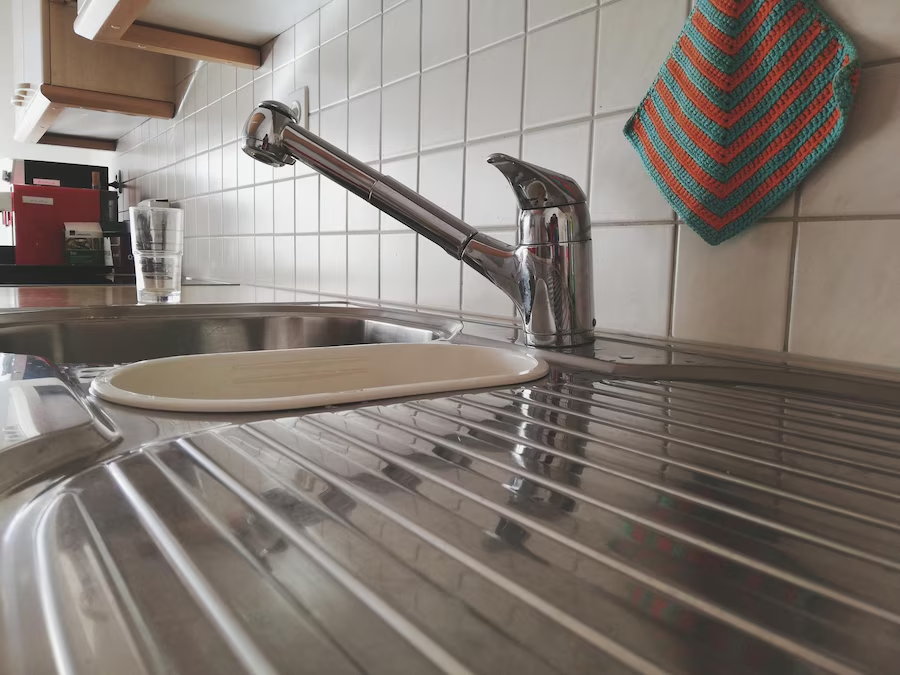
A foul odor coming from a kitchen sink drain can make daily tasks uncomfortable and even unbearable. Whether you’re washing dishes, preparing food, or just passing through, a lingering smell in the kitchen affects the whole atmosphere. In most Livingston homes, foul sink odors are often ignored at first, but over time, they tend to get worse and harder to deal with. By the time the smell becomes noticeable, the issue may already be deeper in your plumbing system.
Solving this problem quickly is about more than comfort. It also helps protect your plumbing. Odors are usually a sign that something has built up or gone wrong inside the drain. If ignored, those smells can point to a blockage, decay, bacteria growth, or unwanted moisture collecting in the wrong spots. Knowing what is causing that odor and how to solve it can save time, prevent damage, and keep your kitchen feeling clean and fresh.
Identifying the Source of Foul Odors
The first step in getting rid of kitchen sink smells is figuring out what is causing them. Odors are not always caused by a clog. Sometimes the smell is a result of food waste failing to rinse through the pipes completely. Other times, it is stagnant water, grease, or mold buildup in the P-trap or garbage disposal parts. Each issue can give off different types of odors, and recognizing them can help narrow down the problem.
Here are some of the most common sources and what each might smell like:
– Rotting food: A sour, decaying smell that lingers even after using cleaning products.
– Grease buildup: A sticky, musty smell that seems to hang around longer than expected.
– Bacteria or mold: A sharp, almost chemical-like odor that sometimes comes with visible black or orange slime.
– Dry P-trap: When the water in the P-trap evaporates, it allows sewer gases to come through, creating a strong sewage-like smell.
It may help to run cold water flat-out for 30 to 60 seconds to test whether there is a temporary blockage or air pocket. If the odor remains, the source is likely deeper and will need to be treated appropriately. A Livingston homeowner might smell the issue before they see any plumbing problem, which is why trust in your nose can sometimes be the best early warning system.
Effective Solutions for Eliminating Odors
Once the source is identified, the next step is applying the right solution. Not every odor will go away with a simple clean. Some smells are stubborn and require a more thorough approach.
Here are some basic cleaning methods and tools people often use effectively:
1. Rinse with Boiling Water: Flushing the drain with boiling water helps break down light grease and food residue. Use caution to avoid burns, and never pour boiling water into PVC pipes.
2. Baking Soda and Vinegar Flush: Pour half a cup of baking soda into the drain followed by one cup of vinegar. Let it sit for about 10 minutes, then rinse with hot water to clear out residue. This method might help with foul-smelling buildup in the upper parts of the drain.
3. Garbage Disposal Cleaning Pods: These are designed to break up food buildup and come with a light deodorizer. Be sure to follow the instructions to avoid overuse or damage.
4. Scrub the Drain Cover: Odors can trap around or beneath drain covers. Remove and scrub the cover with a brush and mild dish soap to remove grime.
5. Check for Standing Water: Mold and bacteria grow in sitting water, especially in drain traps. If water constantly pools under the sink or disposal unit, it could be backing up.
While some of these steps might temporarily mask an odor, strong or recurring smells often point to a deeper issue. At that point, it is best to let our technicians in Livingston inspect the lines properly rather than spending time and money on guesswork. Detecting trapped grease, decaying blockages, or biofilms early can keep those smells from coming back.
Preventative Measures to Keep Drains Odor-Free
Fresh-smelling kitchen drains start with simple, consistent habits. If your sink in Livingston has had odor issues before, adding a maintenance routine can help stop them from coming back. Many of the common causes behind drain smells can be avoided through proper use and care.
Here are a few basic habits that go a long way:
– Rinse thoroughly after every use: Run hot water after washing dishes to move food particles all the way down the system.
– Break up grease before it collects: Keep grease and oils out of the sink. Let them cool, then throw them in the trash instead of rinsing them away.
– Use strainers: Catch solid food particles with a sink strainer to prevent buildup inside the pipes.
– Flush with vinegar: Once or twice a month, pour white vinegar down the drain and rinse with hot water to keep microbial growth in check.
– Clean the disposal: If you have a garbage disposal, grind up a few ice cubes and citrus peels about once a week to help remove residue and freshen the interior.
Another longer-term upgrade is installing a garbage disposal if your kitchen does not already have one. Many homes in Livingston without a disposal tend to see more frequent drain issues from food particles sticking, especially in shallower traps. Adding a disposal system helps grind up food more efficiently, reducing odor-causing buildup when used correctly.
Just keep in mind, even with a disposal installed, it is still important to avoid overloading it or putting the wrong items down the drain. Things like eggshells, coffee grounds, and fibrous veggies like celery can jam the disposal or clog pipes further down the line. Garbage disposals are helpful, but regular cleanups and good drain habits still matter.
When to Call Our Professionals
If you have tried the usual fixes and the smell keeps coming back, it is time to let our professionals handle it. There are clear signs that the issue may be bigger than surface-level buildup. Whether it is a persistent smell, backing water, signs of mold, or a slow-draining sink, these symptoms may mean a blockage or leak deeper in the system.
Here is when it is best to reach out:
– Odors return shortly after cleaning
– Water drains slowly despite efforts to clear it
– You notice gurgling or bubbling sounds from the sink drain
– Mold or mildew is visible around the cabinet base or drain joints
– Multiple drains in the home are affected at the same time
Our technicians can fully inspect and flush your drainage lines with professional tools designed to eliminate clogs, grease buildup, and organic matter at the source. We check for other underlying problems, like backflow issues or vent pipe obstructions, that are harder to identify without the right equipment or experience.
Timely repairs can also prevent costly future problems. For example, uncleaned buildup that traps bacteria over time can corrode pipes or cause minor leaks that develop into more serious damage. Catching these issues early protects your plumbing system and helps keep your Livingston kitchen clean and odor-free for the long haul.
Ensure a Fresh and Clean Kitchen Environment
Keeping your kitchen sink drain in good shape does not have to be complicated. Identifying what is causing a foul smell, choosing the right cleaning method, and sticking to a simple maintenance routine can solve most common issues. A fresh-smelling kitchen makes food prep, cleaning, and just being in the space a more positive experience.
If you have done those things and the problem has not gone away, then the issue likely lies deeper in the system. At that point, working with licensed professionals is the safest and most efficient choice. They have the tools and training to fix what basic products and solutions cannot reach.
A clean kitchen starts with a clean drain. Regular care keeps your plumbing running smoothly and stops small problems before they turn big. When something does not seem right, getting it checked out sooner beats dealing with bigger issues later. If you are in Livingston and notice that your kitchen drain still smells even after cleaning, it may be time to schedule a proper evaluation.
If recurring issues persist despite routine upkeep, McWilliams encourages homeowners to consider a thorough inspection, as system concerns can extend beyond basic maintenance. Our professionals are ready to assist with services such as AC repair in Livingston to help improve home performance. For a quick estimate or to book a service visit, please contact us today.
Share This :

ferociousmedia
Table of Contents
Latest
Discover New Blog Posts
Stay updated with our latest blog posts.
Heat pumps provide both heating and cooling, making them a practical option for many Lufkin homes. During cooler weather, however, you may notice frost developing […]
An AC blowing warm or weak air is one of the most common (and most urgent) HVAC complaints in Texas homes, and it almost always […]
A water heater should operate without drawing much attention, so popping, crackling, or rumbling sounds coming from the tank can be concerning. Your system may […]