

Blog
Home || Blog
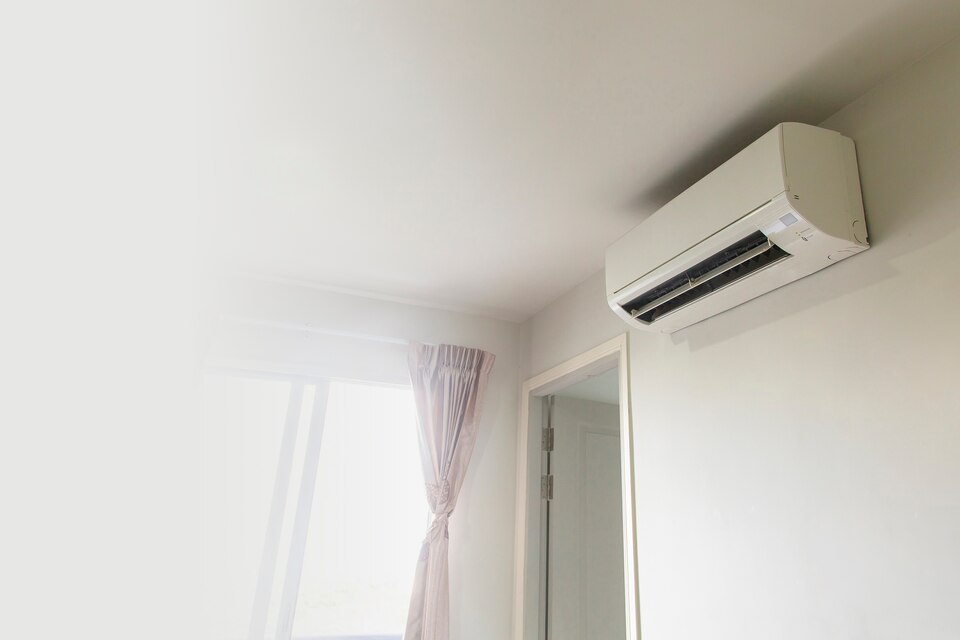
An AC usually makes a whistling sound because air is being forced through a restricted, leaking, or damaged part of the system. Common causes include a clogged air filter, blocked vents, duct leaks, disconnected duct joints, or a loose fan or blower component. If the sound continues after replacing the filter and checking your vents, schedule AC repair to prevent airflow problems, higher energy bills, and system damage.
A whistling sound from your air conditioner is not something you should ignore. While some HVAC noises are normal, a sharp whistle usually means air is struggling to move through the system correctly. That can happen when airflow is blocked, pressure builds inside the ductwork, or conditioned air escapes through a small opening.
For homeowners in East Texas, a reliable AC system is essential during long stretches of heat and humidity. When your air conditioner starts making an unusual sound, it is often your system’s way of telling you something needs attention. A small airflow issue can become a larger repair problem if left unresolved.
At McWilliams Heating, Cooling & Plumbing, we help homeowners identify AC problems quickly and restore dependable cooling. In this guide, we’ll explain why your AC may be making a whistling sound, what causes restricted airflow, when you can troubleshoot the issue yourself, and when it is time to call a professional for AC repair.
Is an AC Whistling Sound Normal?
A whistling AC sound is common but not normal. Your air conditioner should make some sound when it starts, runs, and shuts off. A steady hum, soft airflow noise, or brief clicking during startup may be expected. A high-pitched whistle is different.
Whistling often points to a pressure or airflow problem. Air may be moving through a small gap, squeezing past a clogged filter, or escaping from damaged ductwork.
A whistling sound may come from:
- The return air grille
- The air filter area
- Supply vents
- Ductwork
- The indoor blower
- Gaps around panels or connections
- Leaky or disconnected duct joints
The sound may start quietly and get louder over time. It may occur only when the system first turns on, or it may persist throughout the ACis run. Either way, it is worth investigating.
Can a Clogged Air Filter Cause AC Whistling?
Yes. A clogged air filter is one of the most common reasons an air conditioner makes a whistling sound. When the filter is packed with dust, pet hair, pollen, and debris, air cannot move through it easily. Your AC still tries to pull air through the system, but the restricted airflow can create a high-pitched noise.
A dirty filter can also make your system work harder than it needs to. Reduced airflow can affect comfort, efficiency, and equipment performance.
A clogged air filter may cause:
- Whistling near the return vent
- Weak airflow from supply vents
- Longer cooling cycles
- Higher energy bills
- More dust inside the home
- Frozen evaporator coils
- Uneven temperatures
- Extra strain on the blower motor
The first step is simple: check your air filter. If it looks gray, dusty, clogged, or covered in debris, replace it with a clean filter that matches the correct size and type for your system.
If the whistling stops after the filter is replaced, you may have solved the problem. If the sound persists, there may be another airflow issue requiring professional attention.
Can Blocked or Closed Vents Make an AC Whistle?
Blocked or closed vents can also create a whistling sound. Your HVAC system is designed to move a certain amount of air. When vents are closed or blocked, pressure can build up inside the ductwork. That pressure can force air through narrow openings, creating a whistle.
Homeowners sometimes close vents in unused rooms to save energy, but this can create airflow problems. In many homes, closing vents does not reduce system workload. Instead, it may increase pressure in the ductwork and reduce system efficiency.
Common vent problems include:
- Closed supply vents
- Furniture blocking registers
- Rugs covering floor vents
- Curtains hanging over vents
- Dust buildup inside vent covers
- Return grilles blocked by furniture
- Toys, boxes, or storage items restricting airflow
Walk through your home and check every supply and return vent. Make sure vents are open, clean, and unobstructed. If the whistling improves, airflow restriction may have been the cause.
If the noise persists even after the vents are cleared, the issue may be within the ductwork or HVAC equipment.
Can Leaky Ductwork Make an AC Whistle?
Yes. Leaky ductwork is another common cause of AC whistling. When air escapes through a small crack, gap, hole, or loose connection, it can create a sharp whistling sound. This is similar to the sound air makes as it passes through a small opening.
Duct leaks can happen for several reasons. Ducts may loosen over time, especially in attics, crawl spaces, or other areas exposed to temperature swings. Flexible ductwork can tear, sag, or become disconnected. Older duct sealing materials may also fail.
Signs of leaky ductwork include:
- Whistling from walls, ceilings, attic areas, or crawl spaces
- Rooms that are hard to cool
- Weak airflow from certain vents
- High energy bills
- Dusty indoor air
- Uneven temperatures
- HVAC system running longer than usual
- Musty or stale odors from vents
Duct leaks can waste cooled air before it reaches your living spaces. That means your AC may run longer, even though your home still feels uncomfortable.
If you suspect duct leaks, it is best to schedule a professional inspection. A technician can locate leaks, check duct connections, and recommend sealing or repair options.
Can a Return Air Problem Cause Whistling?
A return air problem can absolutely cause whistling. Your HVAC system needs return air to flow back into the system so it can be cooled and redistributed. If the return side is restricted, undersized, blocked, or pulling through a dirty filter, it can create suction and noise.
Return air issues are especially common when the whistling sound seems to come from the large return grille or filter cabinet.
Return airflow problems may be caused by:
- Dirty air filters
- Undersized return ducts
- Blocked return grilles
- Poorly fitting filter covers
- Gaps around the filter slot
- Too few return vents
- Duct restrictions
- Closed interior doors affecting airflow
A return air problem can reduce efficiency and comfort throughout the home. If you hear a strong whistle near the return grille, even with a clean filter, your system may need a professional airflow evaluation.
Can the Blower Motor or Fan Cause Whistling?
Sometimes the whistling sound comes from the indoor blower assembly or fan components. The blower is responsible for moving conditioned air through your ductwork and into your home. If something is loose, dirty, worn, or misaligned, airflow may become noisy.
Blower or fan-related issues may include:
- Loose blower wheel
- Worn motor bearings
- Dirty blower assembly
- Damaged fan blades
- Loose access panel
- Misaligned components
- Electrical or motor strain
- Debris near moving parts
A blower issue may produce more than just whistling. You may also hear rattling, humming, buzzing, scraping, or vibration. You may notice weak airflow, inconsistent cooling, or the system shutting off unexpectedly.
Do not attempt to repair internal blower components without professional help. These parts involve electrical components and moving equipment. A trained technician can safely inspect the system and determine the correct repair.
What Happens If You Ignore an AC Whistling Sound?
Ignoring a whistling AC can allow a small issue to become a larger and more expensive problem. A clogged filter, duct leak, or airflow restriction may seem minor at first, but these problems can create stress throughout the system.
If airflow is restricted, your AC has to work harder to cool your home. That can increase energy use and put strain on important components. If ductwork is leaking, cooled air may be wasted before it reaches the rooms that need it.
Ignoring AC whistling can lead to:
- Higher cooling costs
- Poor indoor comfort
- Uneven room temperatures
- Weak airflow
- More dust in the home
- Frozen evaporator coils
- Overworked blower motors
- Compressor strain
- Shorter system lifespan
- More frequent repairs
- Unexpected breakdowns
A whistling sound is often an early warning sign. Addressing it quickly can help protect your comfort and prevent further damage.
What Should You Check Before Calling for AC Repair?
Some whistling causes are simple to check. Before scheduling a repair, there are a few safe troubleshooting steps you can take.
Check these items first:
- Air filter: Replace it if it is dirty, clogged, or overdue.
- Supply vents: Make sure vents are open and not blocked.
- Return grilles: Clear furniture, curtains, or other items blocking return airflow.
- Filter fit: Make sure the filter is the correct size and seated properly.
- Thermostat setting: Confirm the system is set to cooling and operating normally.
- Outdoor unit: Make sure the area around the condenser is clear of leaves, grass, and debris.
- Recent changes: Consider whether the sound started after a filter change, furniture move, or recent HVAC work.
After checking these items, run your AC and listen for the sound. If the whistle disappears, the cause may have been a simple airflow restriction.
If the sound persists, grows louder, or accompanies poor cooling, weak airflow, or unusual odors, call a professional.
When Should You Call a Professional for a Whistling AC?
You should schedule AC repair if the whistling persists after basic troubleshooting or if your system shows signs of a more serious issue. Persistent whistling usually means the source needs a professional inspection.
Call for AC service if you notice:
- Whistling that continues after replacing the filter
- Whistling from ductwork, walls, attic, or crawl space
- Weak airflow from multiple vents
- Warm air coming from the system
- Sudden increase in energy bills
- Ice on the indoor or outdoor unit
- AC running constantly
- Uneven cooling throughout the home
- Rattling, buzzing, grinding, or banging sounds
- Burning or electrical smells
- Water leaks around the indoor unit
- The system is turning on and off rapidly
These warning signs can point to airflow, ductwork, electrical, refrigerant, or mechanical issues. A professional technician can diagnose the cause and recommend the right repair.
How Can AC Maintenance Prevent Whistling Sounds?
Routine maintenance helps prevent many of the issues that cause whistling sounds. During a maintenance visit, a technician can inspect airflow, check system components, clean key parts, and catch small problems before they turn into breakdowns.
AC maintenance can help with:
- Dirty filters
- Poor airflow
- Loose panels
- Worn components
- Dirty coils
- Clogged drain lines
- Electrical issues
- Blower problems
- System performance concerns
- Early signs of duct issues
Homeowners can also help prevent whistling by following simple maintenance habits.
Helpful homeowner maintenance steps include:
- Check your filter monthly
- Replace the filter as needed
- Keep vents open and clear
- Keep return grilles unblocked
- Keep the outdoor unit free of debris
- Schedule seasonal AC tune-ups
- Pay attention to new or changing sounds
The earlier you catch airflow problems, the easier they are to correct.
Schedule AC Repair for Whistling Sounds Today
A whistling air conditioner is usually a sign that something is restricting, leaking, or disrupting airflow. It may be as simple as a clogged air filter, or it may point to duct leaks, blower issues, or a larger system problem. Either way, the sound should not be ignored.
If your AC is whistling, running constantly, cooling poorly, or making any unusual noise, McWilliams Heating, Cooling & Plumbing is ready to help. Schedule service today and let our team find the source of the sound, fix the problem, and help your cooling system run the way it should.
Share This :

ferociousmedia
Table of Contents
Latest
Discover New Blog Posts
Stay updated with our latest blog posts.
Heat pumps provide both heating and cooling, making them a practical option for many Lufkin homes. During cooler weather, however, you may notice frost developing […]
An AC blowing warm or weak air is one of the most common (and most urgent) HVAC complaints in Texas homes, and it almost always […]
A water heater should operate without drawing much attention, so popping, crackling, or rumbling sounds coming from the tank can be concerning. Your system may […]